Everything after the harvest, in one place. Getting this stage right matters more than most growers expect — a crop that was grown well can still be ruined by rushing the dry, and one that was grown adequately can be noticeably improved by curing it properly. What follows is organised by the order you'll actually do it in: trim, dry, cure, store, and grind.
Trim
by hand or by machine
Dry
slow and even, not fast
Cure
stable humidity over weeks
Store
sealed, dark, humidity held
1. Trimming
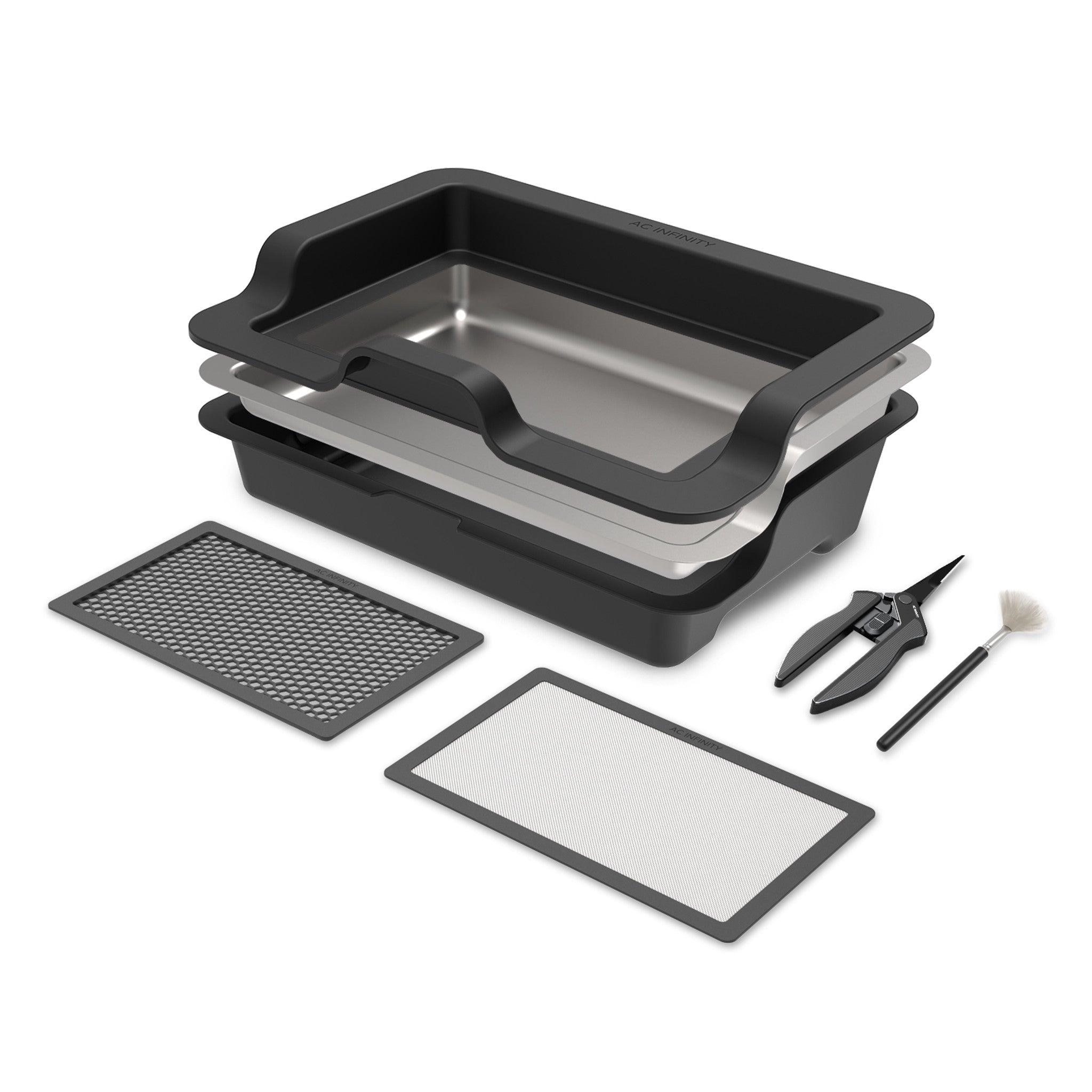
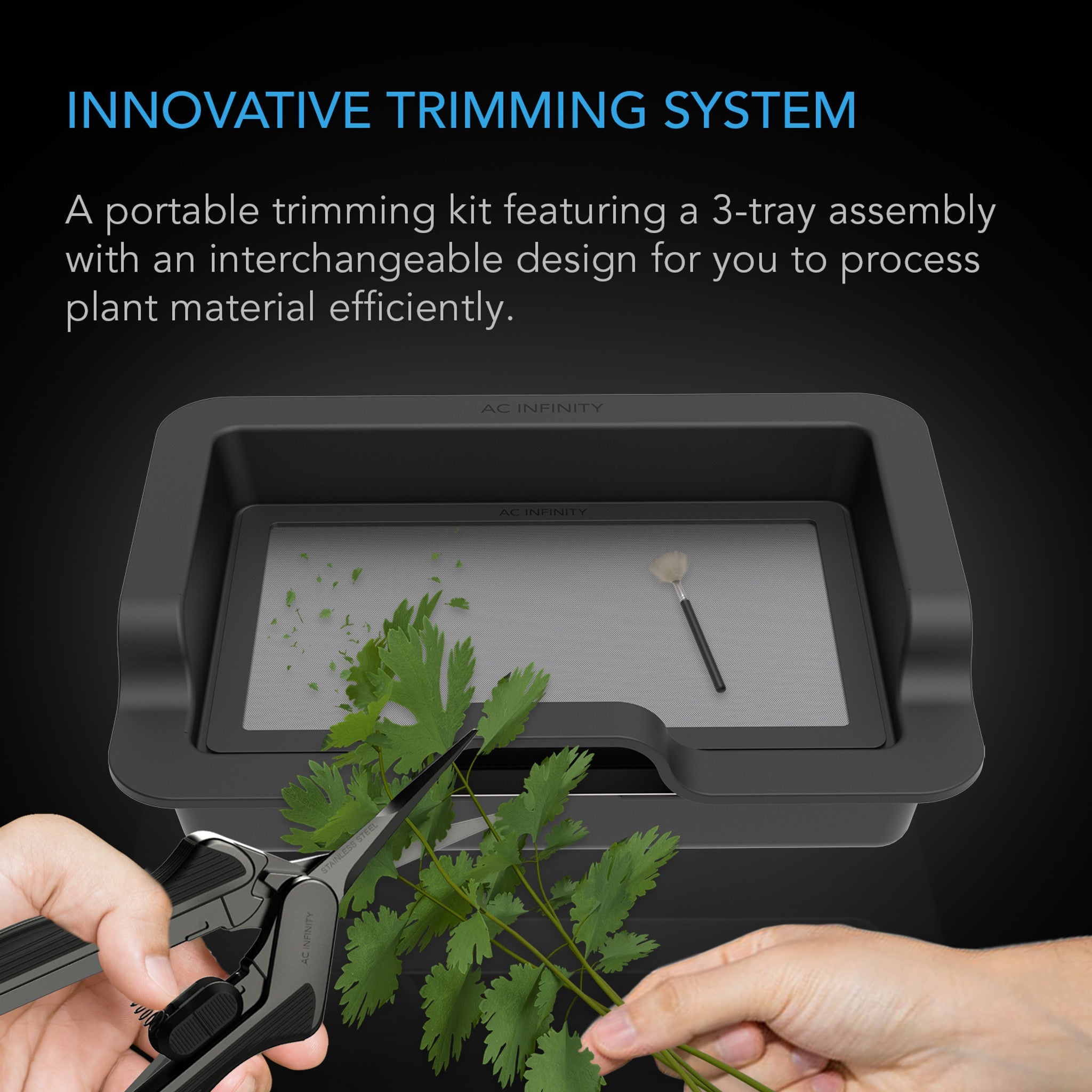
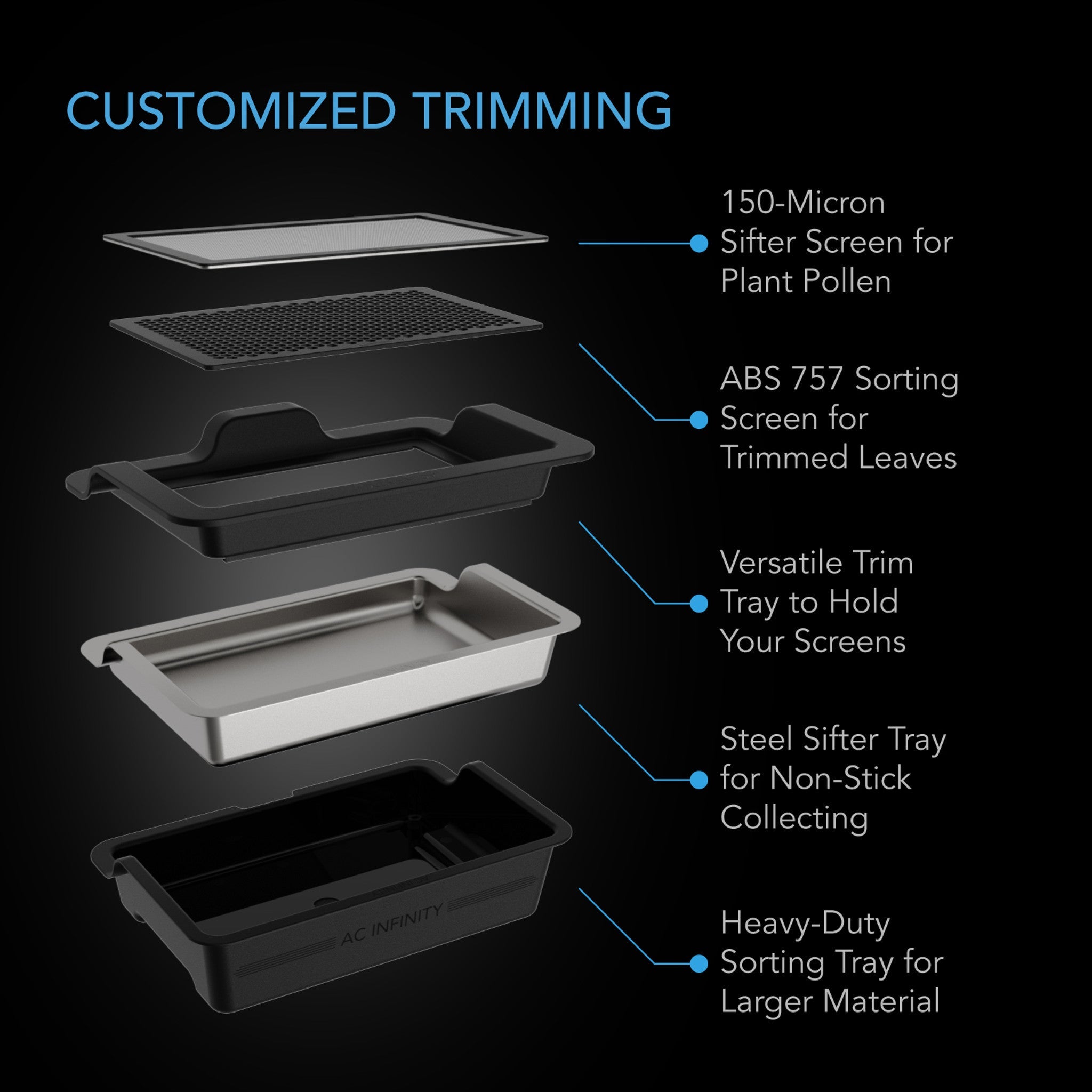
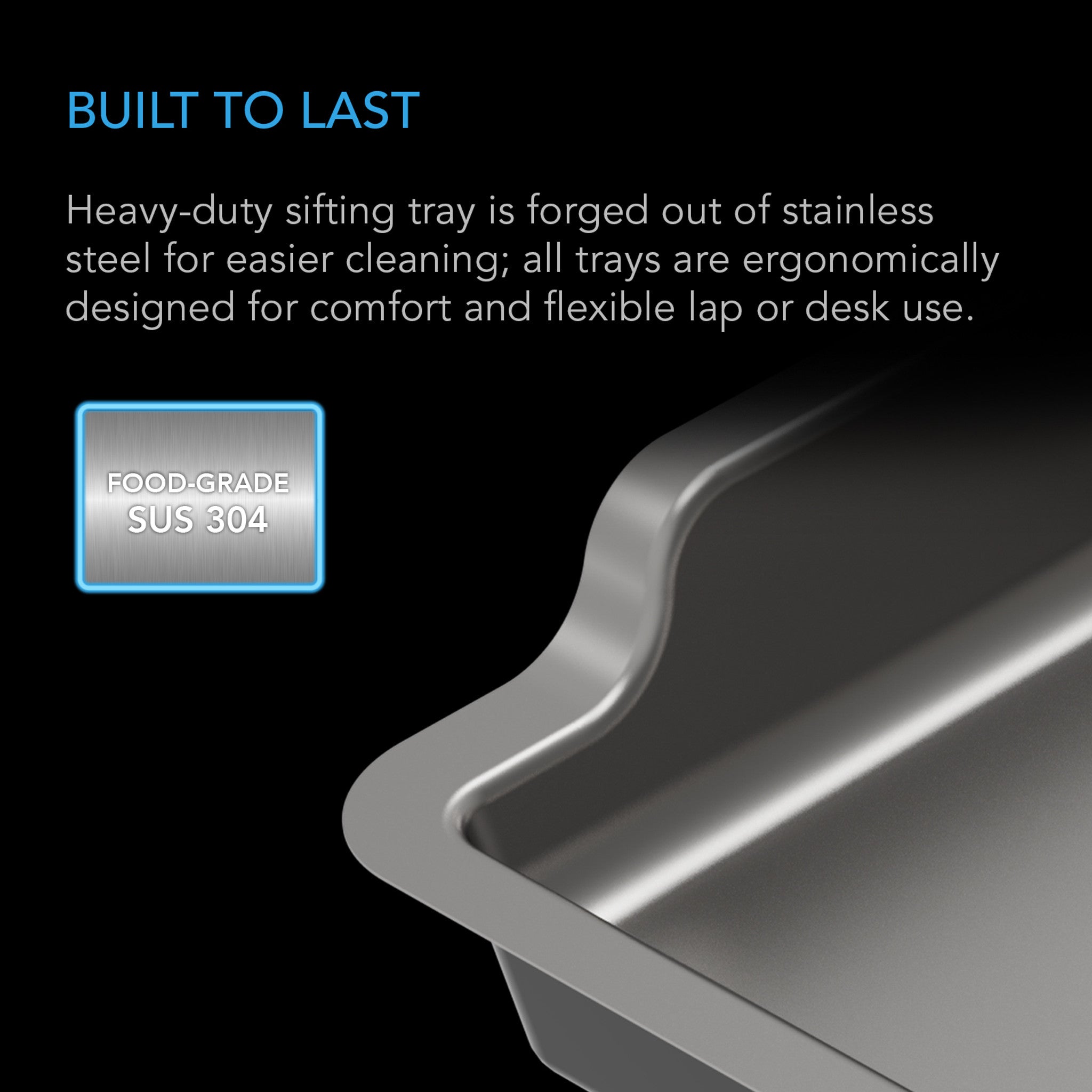
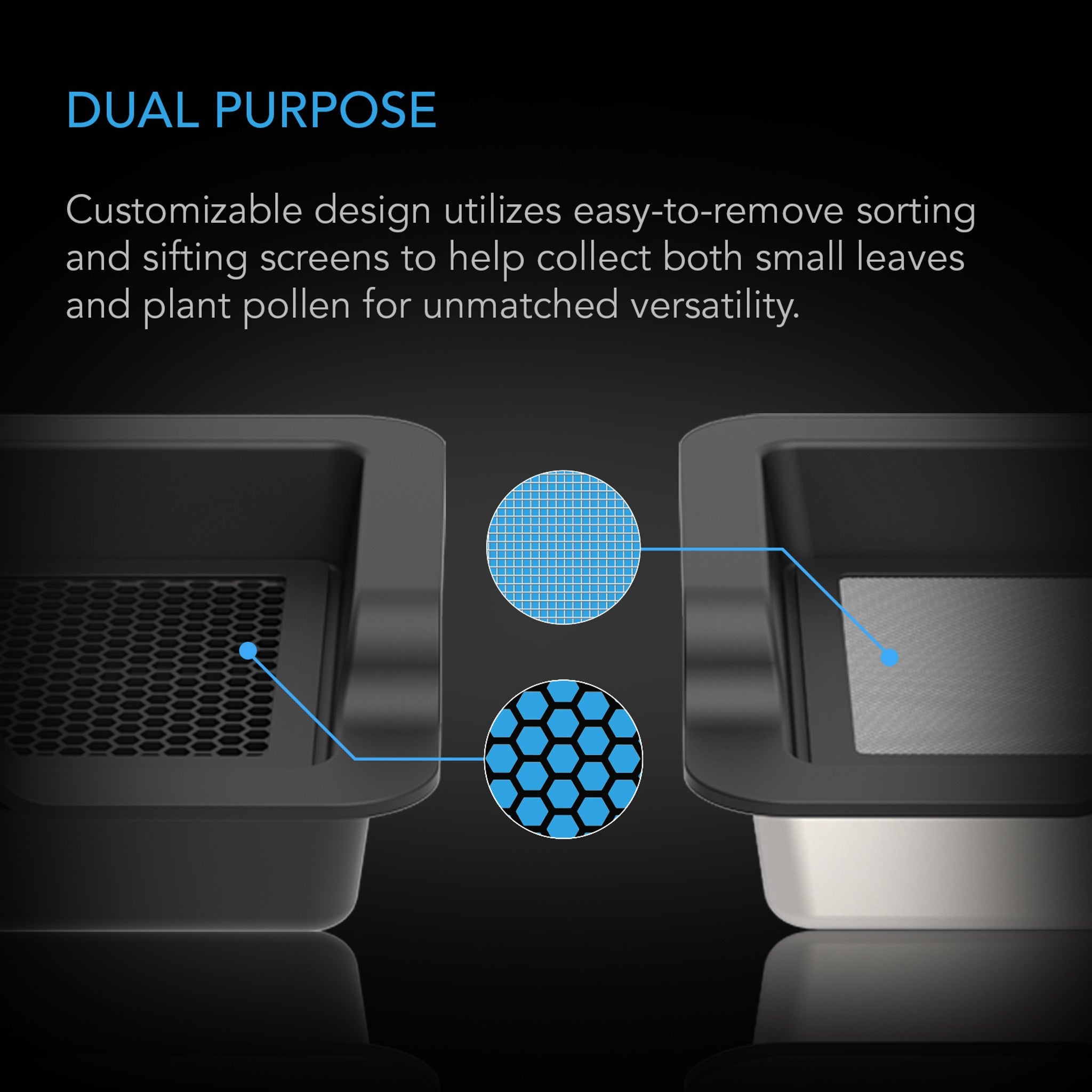
The first decision is by hand or by machine, and it's really a question of volume. Hand trimming gives the best finish and the most control; a trim tray with screens makes it far less miserable by catching what falls through and separating it as you work.
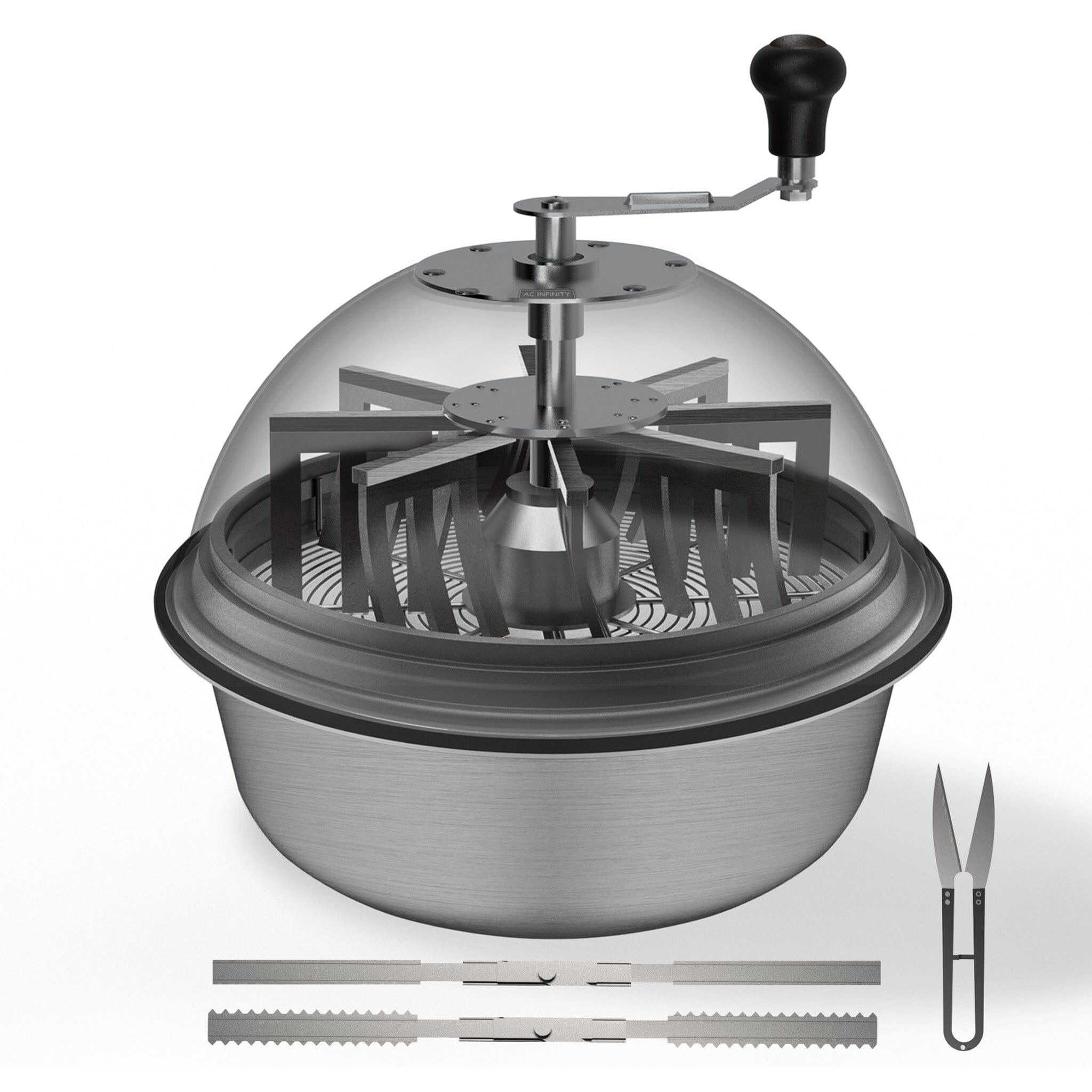
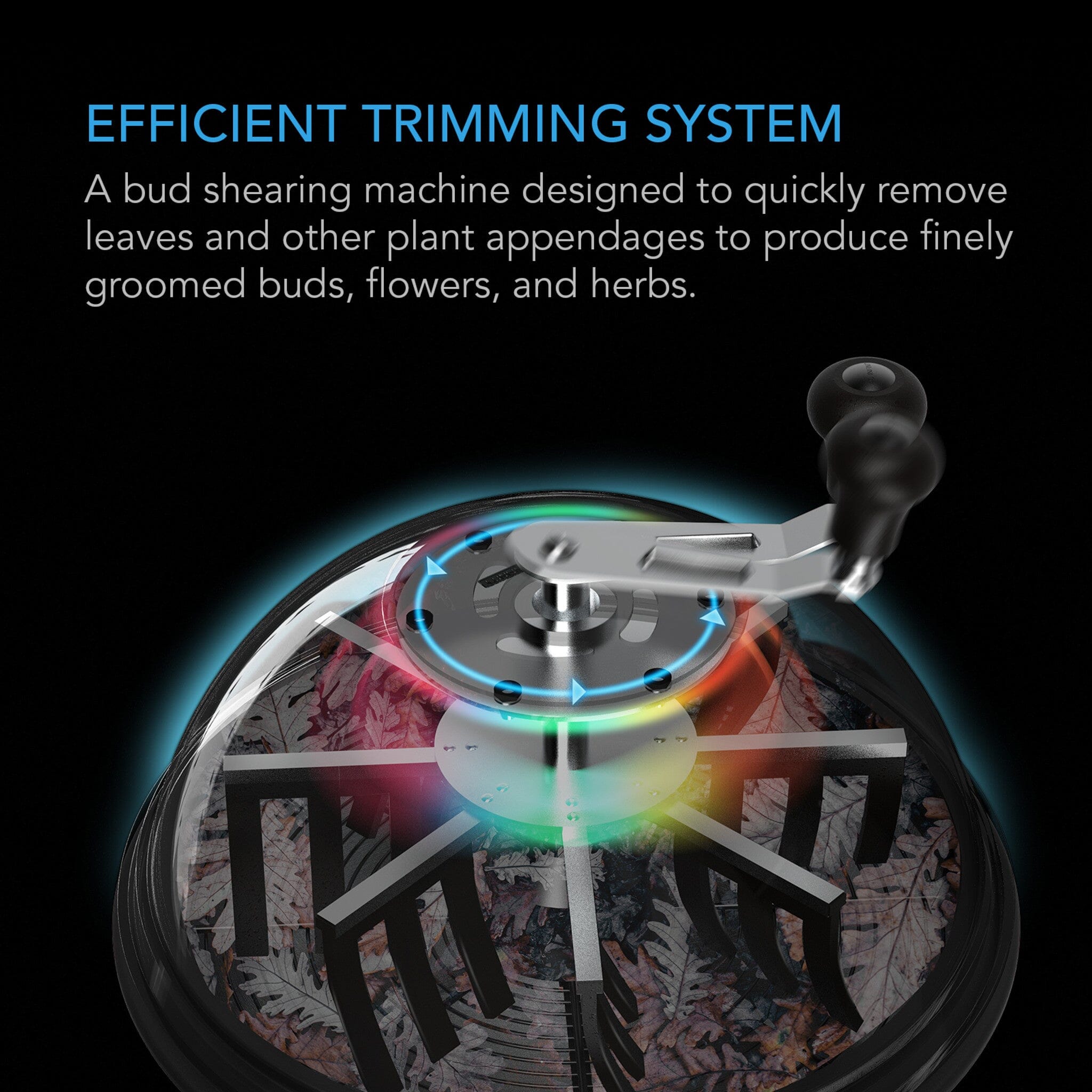
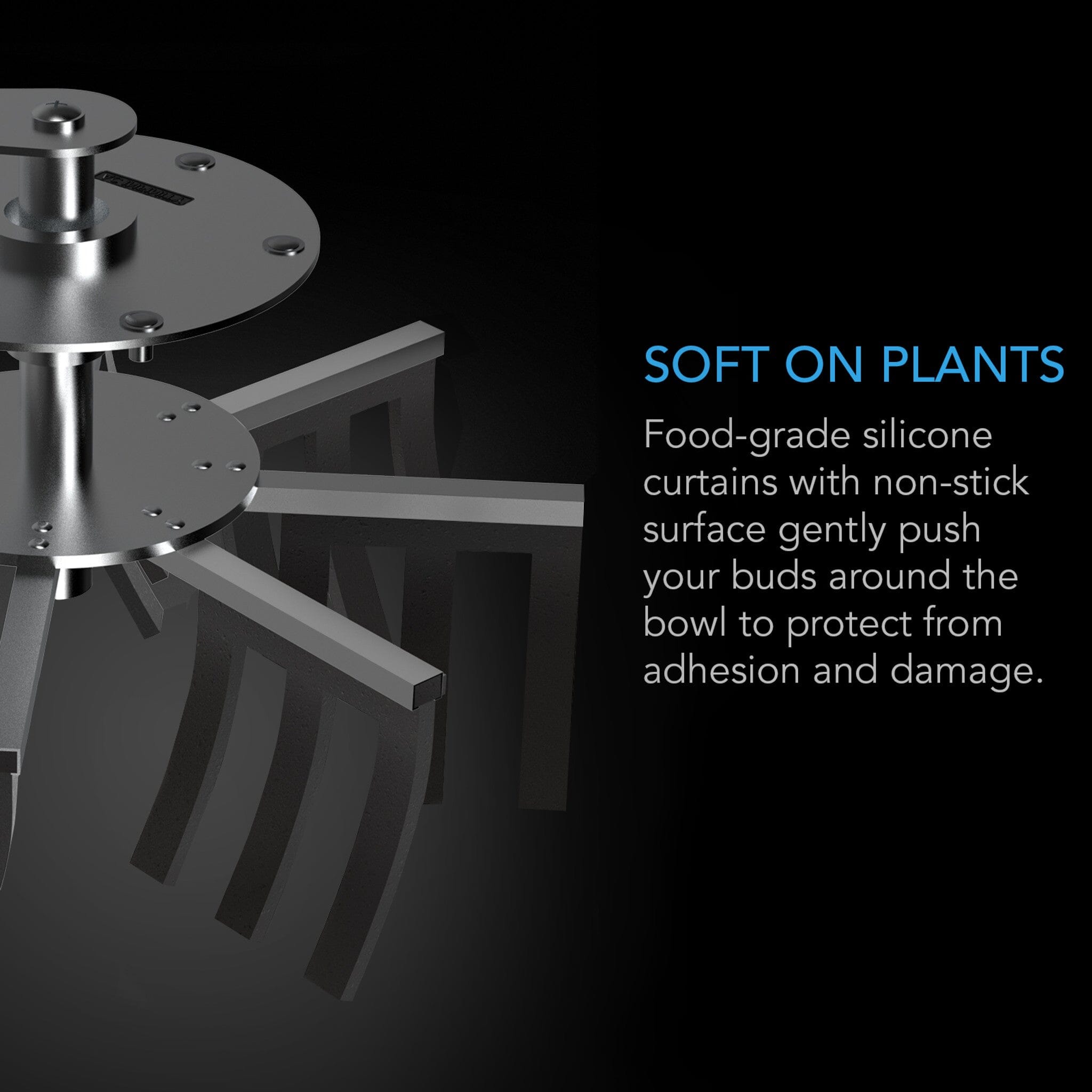
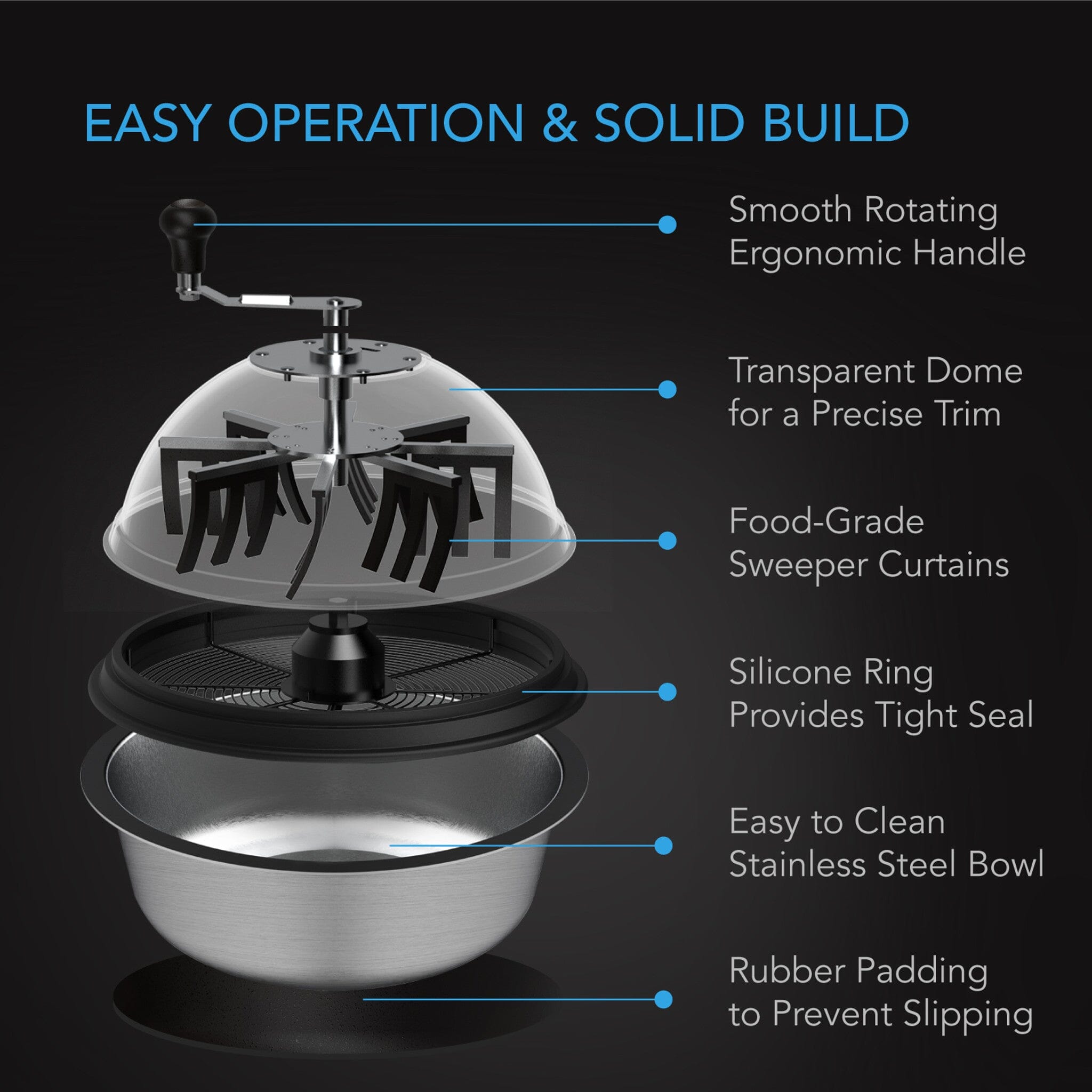
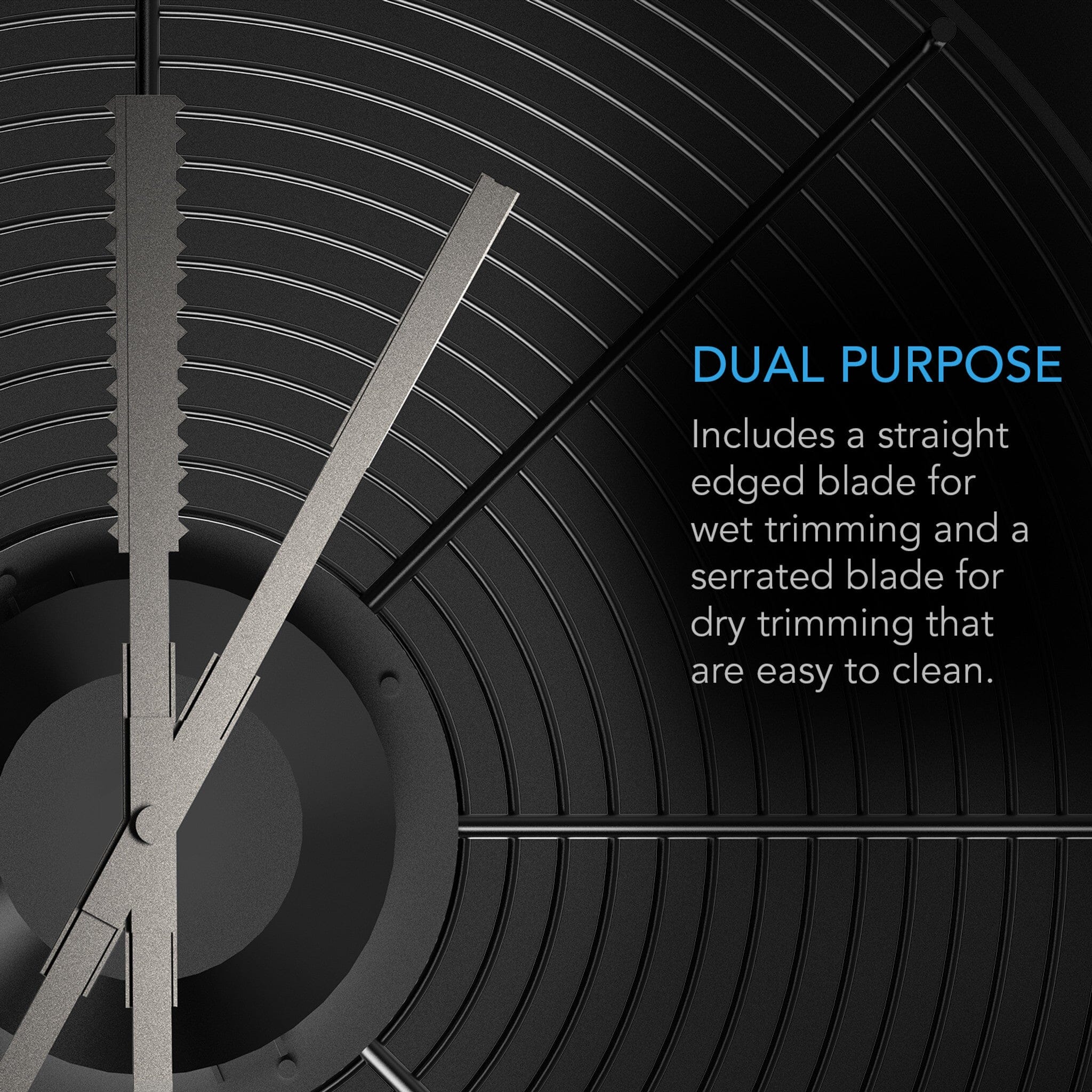
Once the volume gets beyond what's reasonable by hand, a bowl trimmer does the bulk work in minutes rather than hours. The Bud Bowl trimmers (16″ and 19″) use a twist-spin cutting action under a clear dome so you can watch progress and stop before you overdo it — the usual failure mode with machine trimming. For serious batch volume, the CenturionPro Dry Batch Trimmer is a commercial-grade machine built for continuous runs.
2. Drying
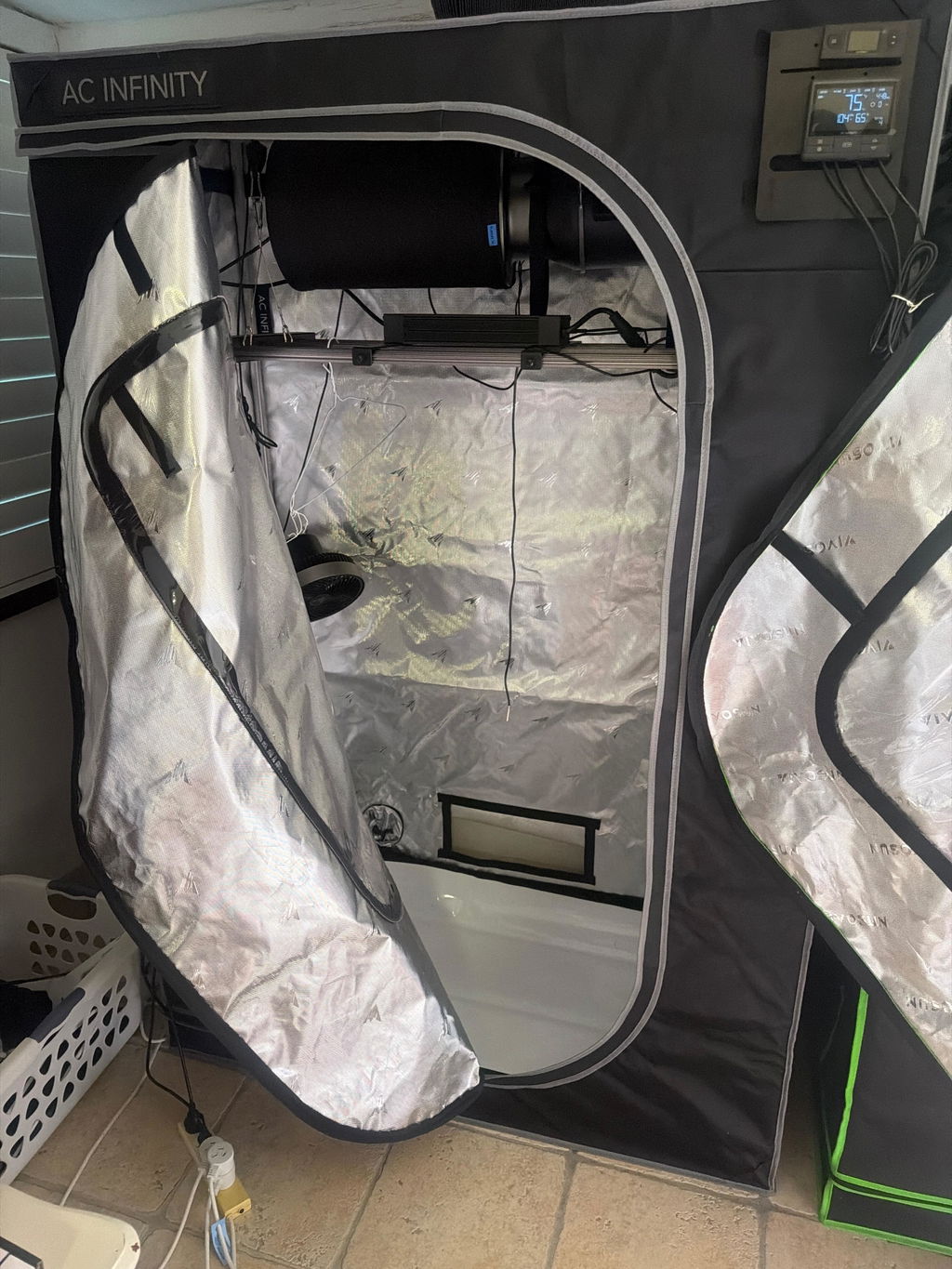
This is the stage most often rushed, and the one where damage is hardest to undo. Dry too fast and you lock in a harsh, grassy finish; dry too slow or too humid and you invite mould. The target is slow and even — gentle airflow, moderate temperature, and humidity that doesn't swing.
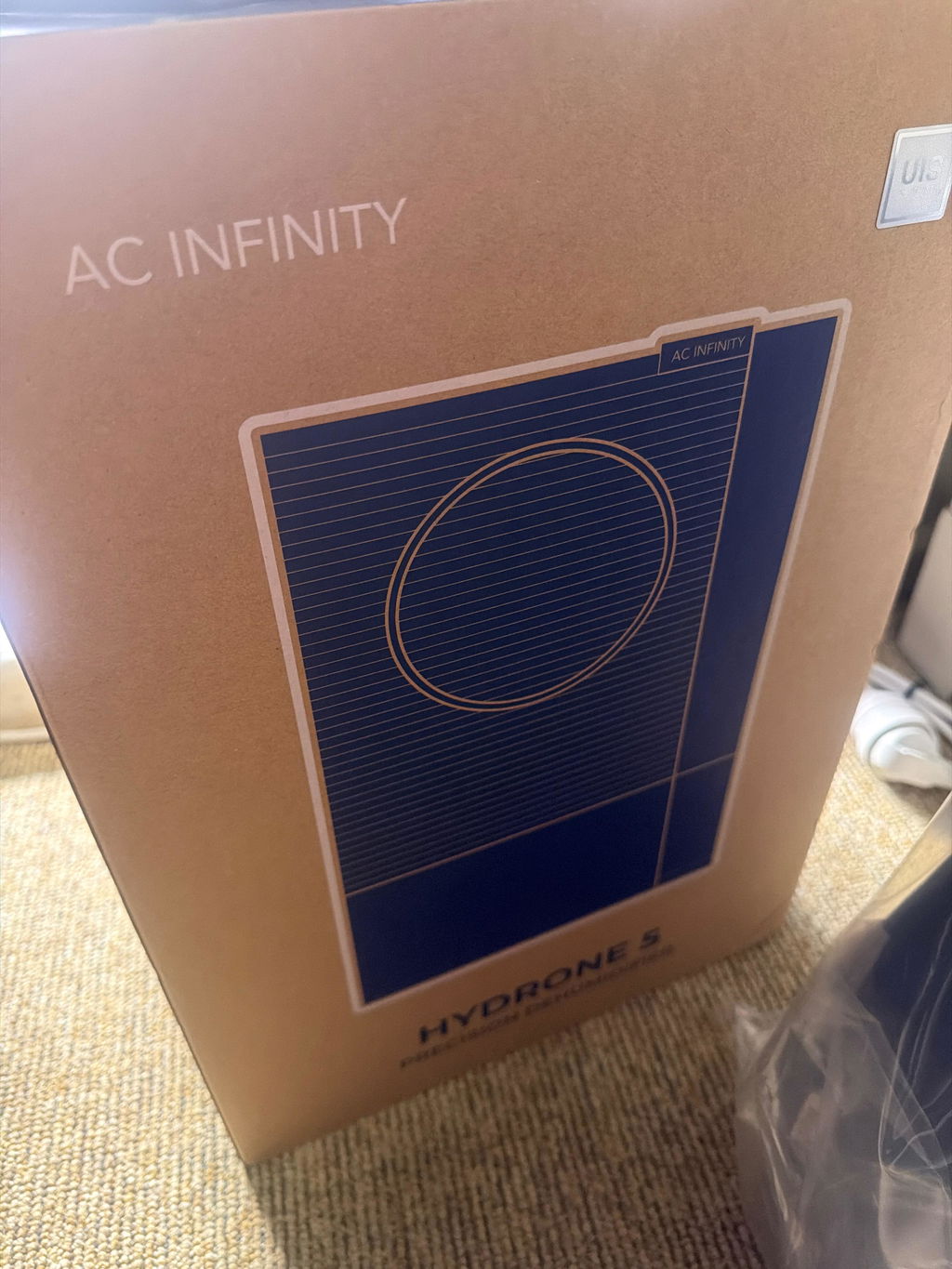
Hanging drying racks in 18″ (4 tiers) and 24″ (6 tiers) give you separated, ventilated layers in a small footprint, which is what you want for even drying without crowding. Pair them with a fan for air movement and a dehumidifier or humidifier to hold the room steady — the room does the work, the rack just holds the crop in the right shape for it.
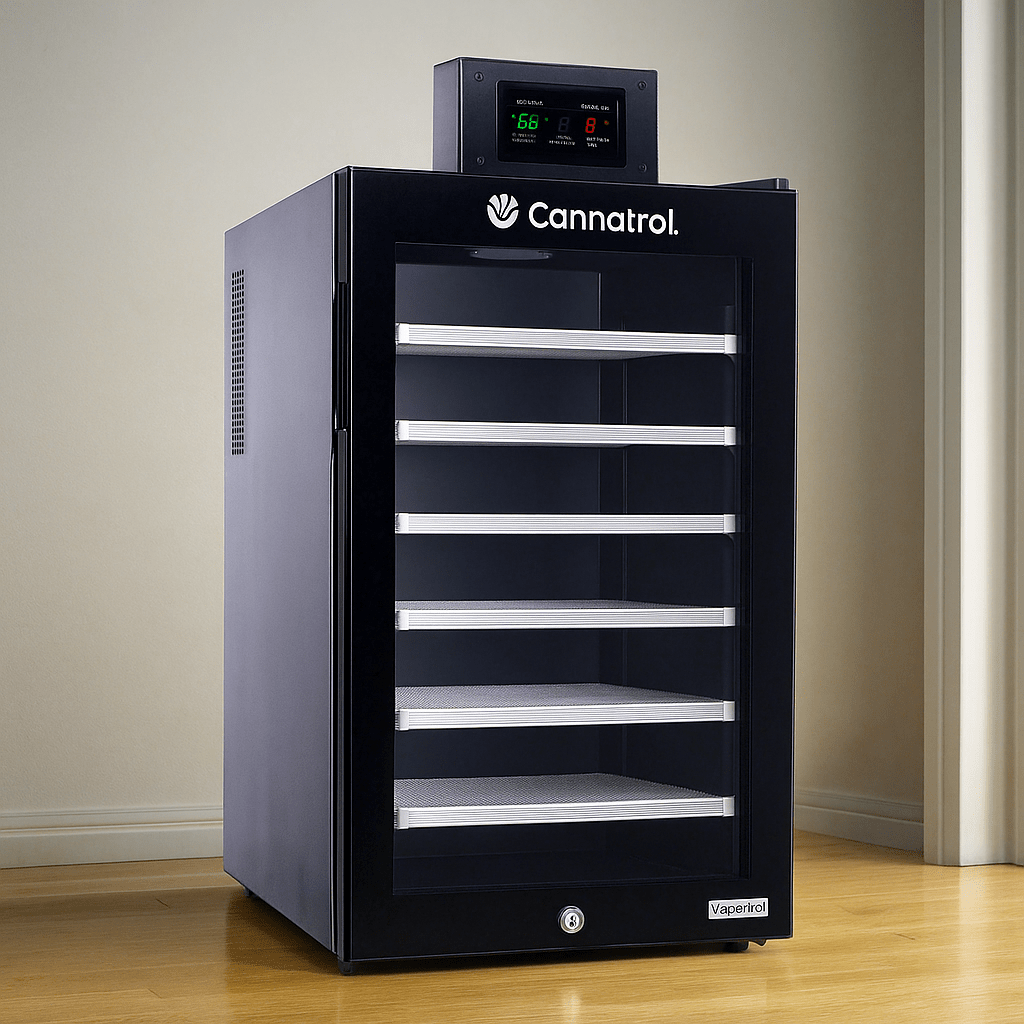
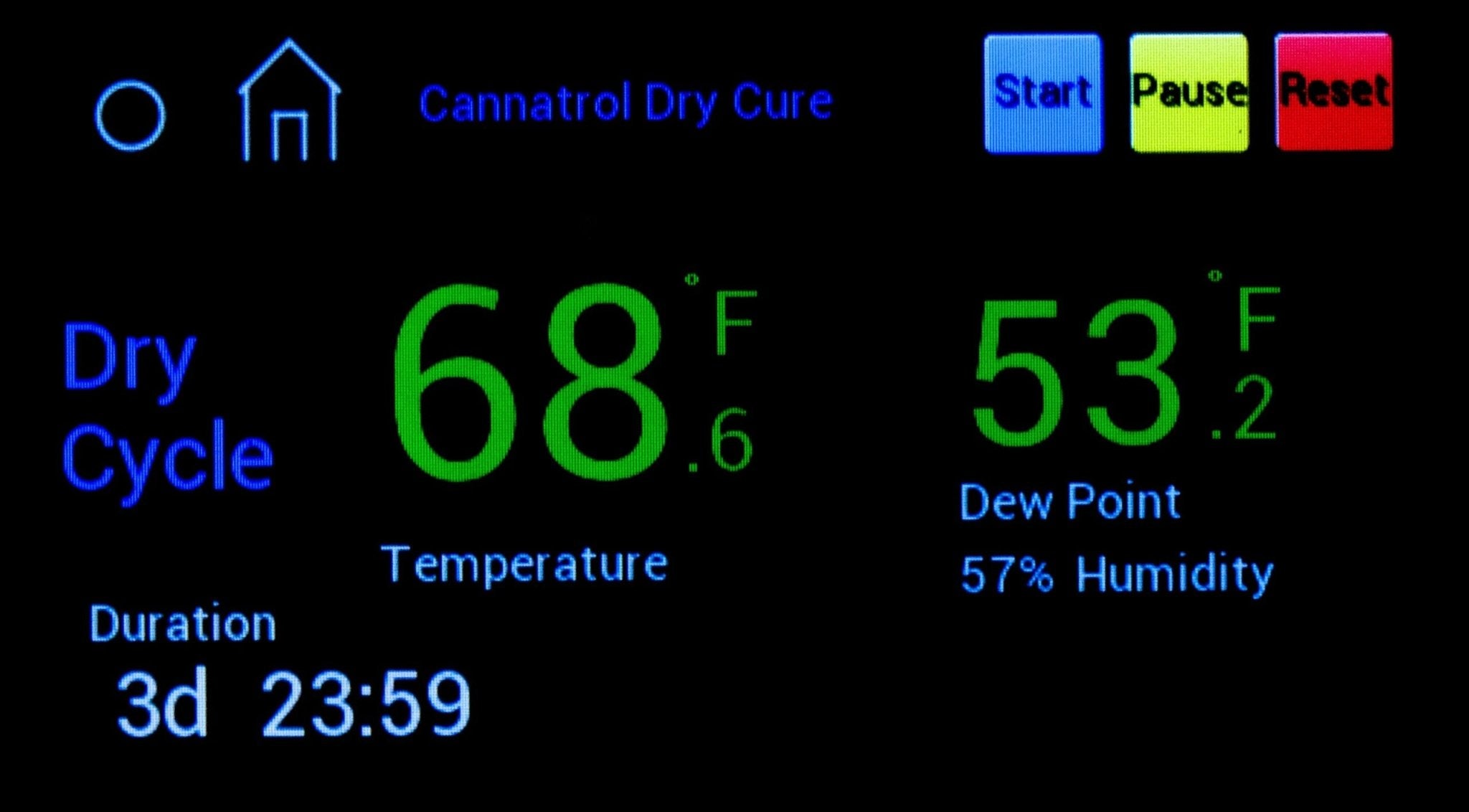
If you'd rather not manage a room at all, the Cannatrol Cool Cure is a self-contained appliance that controls temperature and vapour pressure through drying, curing and storage in one unit — the hands-off route for growers who want consistency without babysitting a drying room.
3. Curing
Curing is what happens after drying, over weeks rather than days, and it's where flavour and smoothness actually develop. The whole job is holding humidity steady — too dry and it stalls and turns brittle, too wet and it spoils.
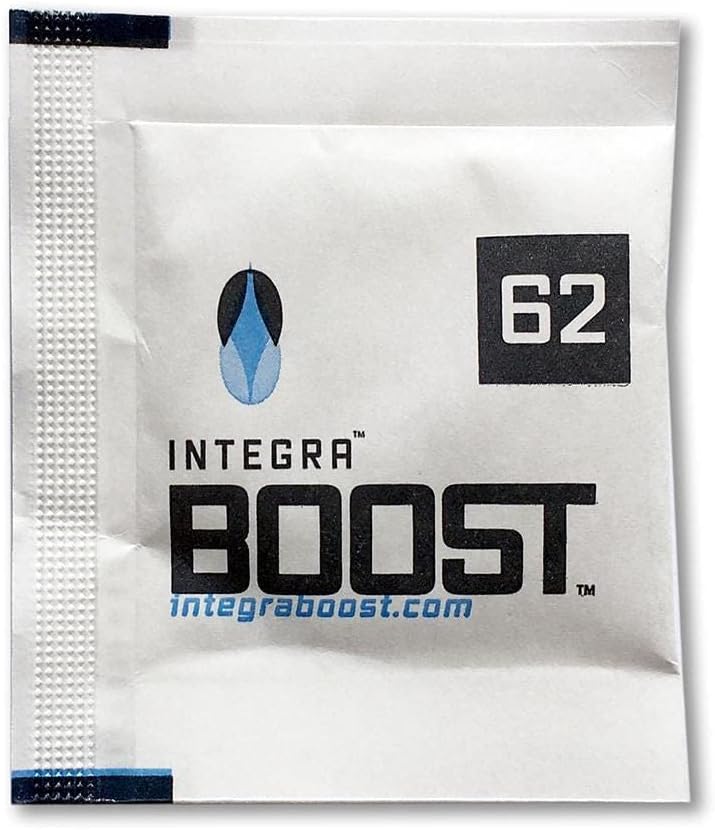
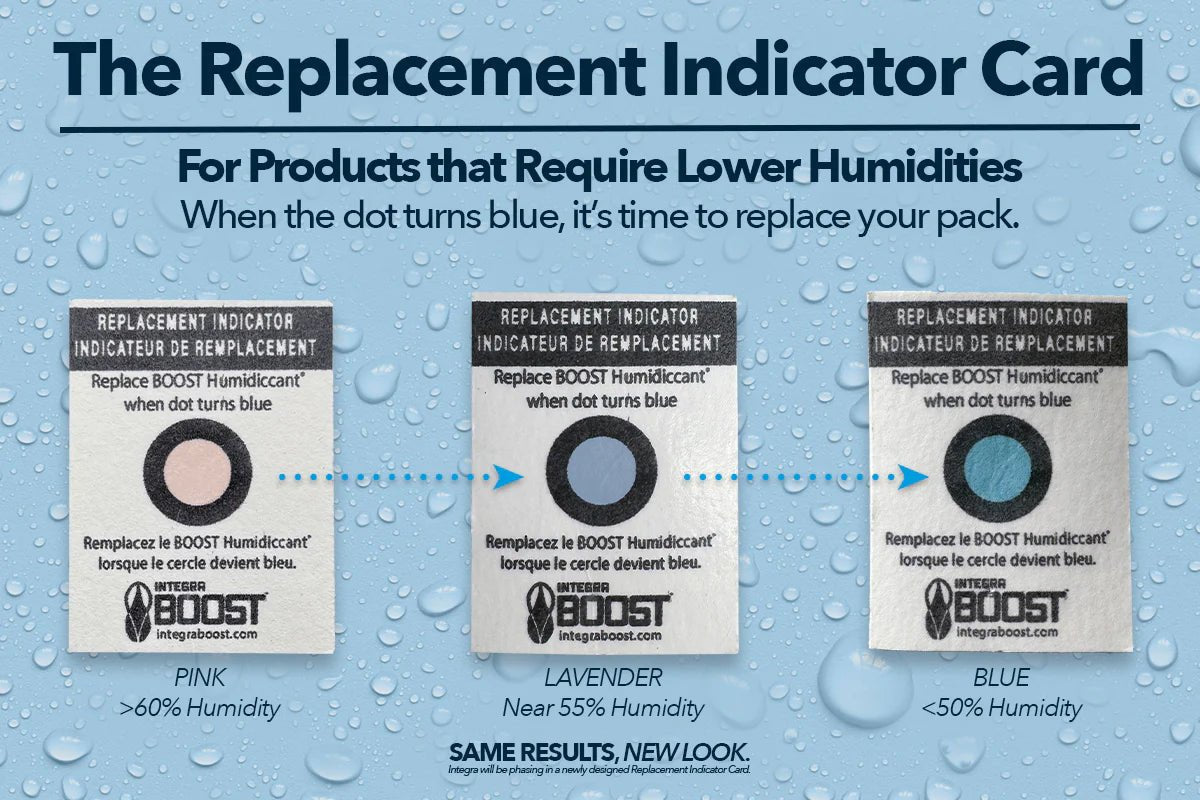
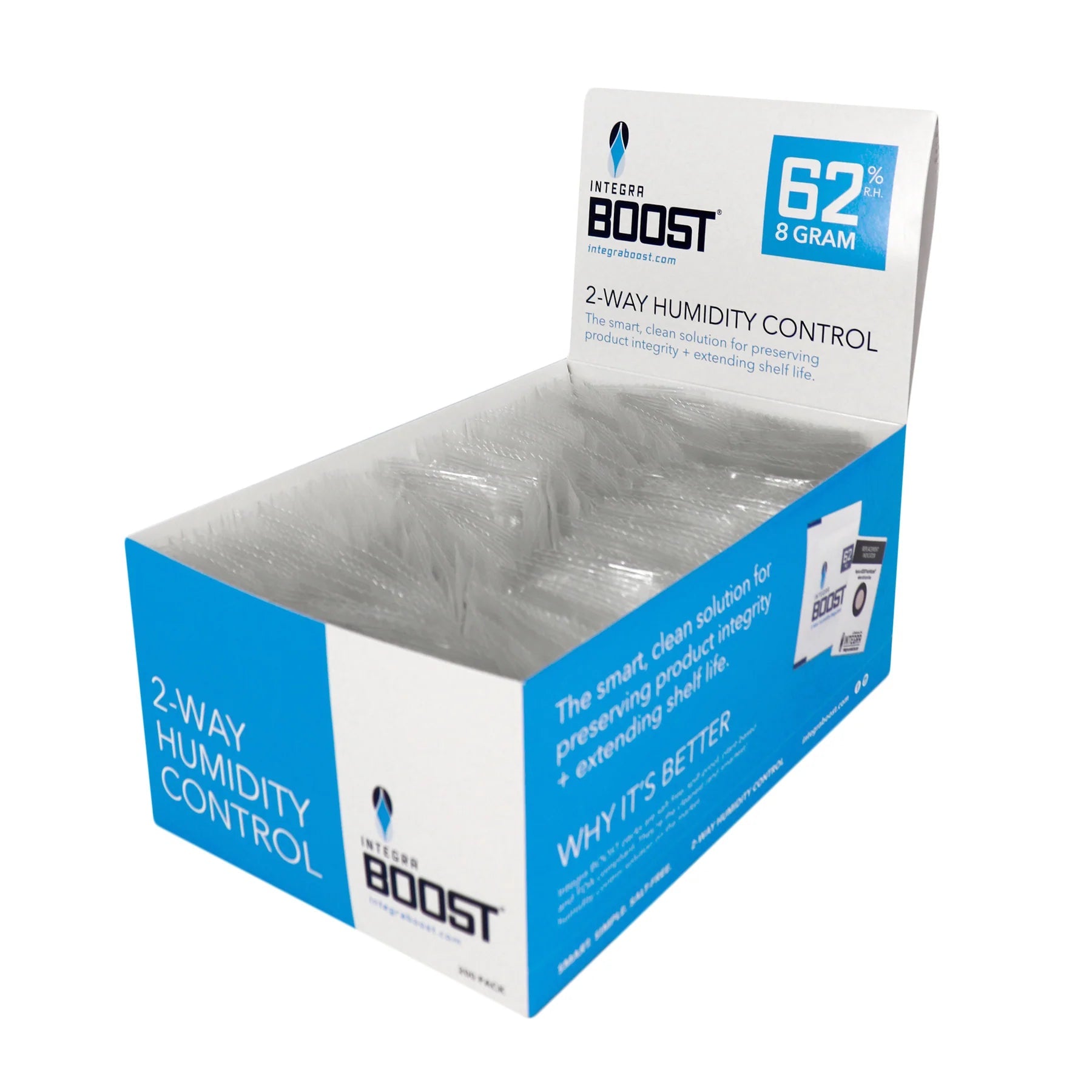
Integra Boost 62% RH packs do this passively and two-way: they release moisture when the container is too dry and absorb it when it's too wet, holding the contents near 62% without you opening and checking. 4 g packs suit small jars, 8 g for larger containers.
4. Storage & use
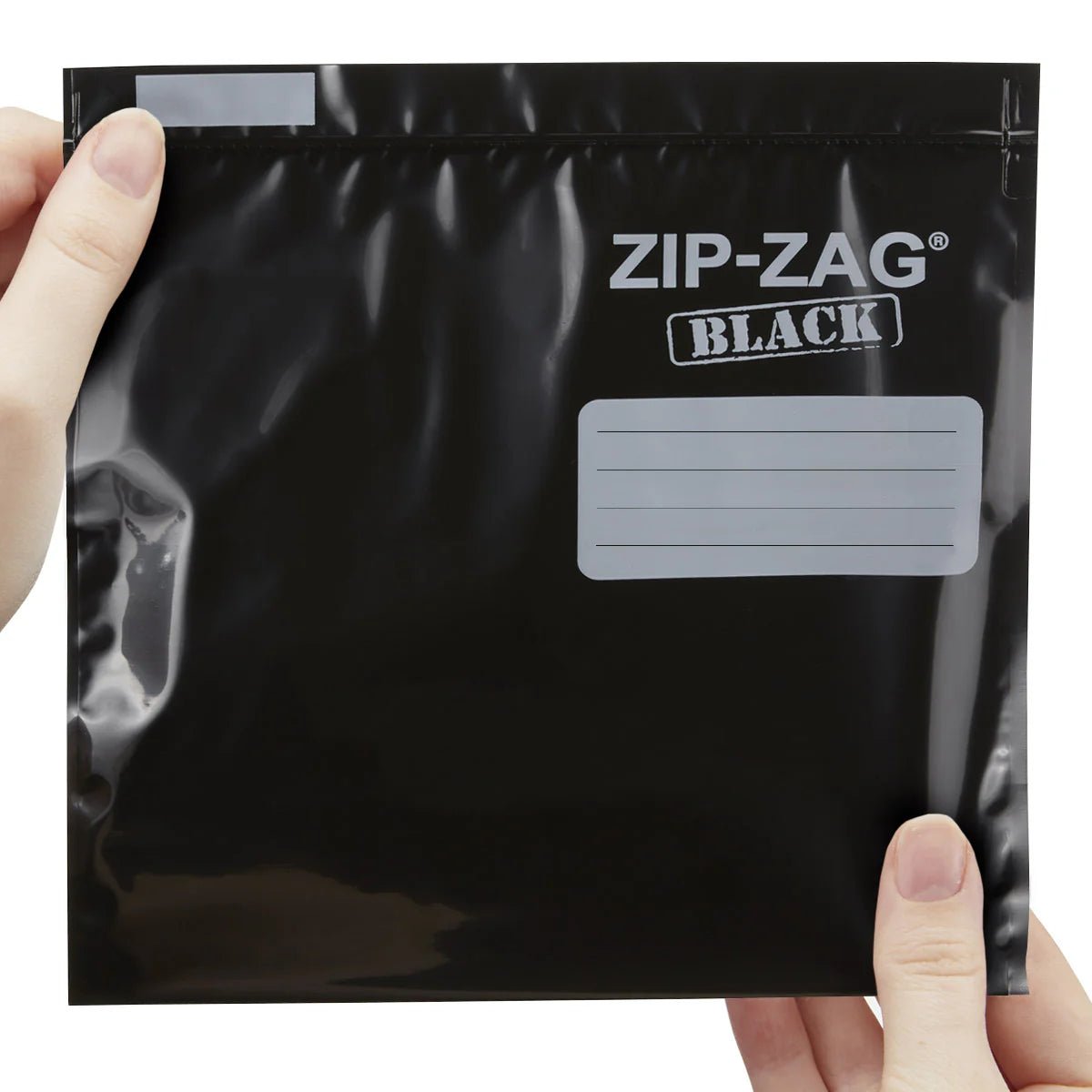
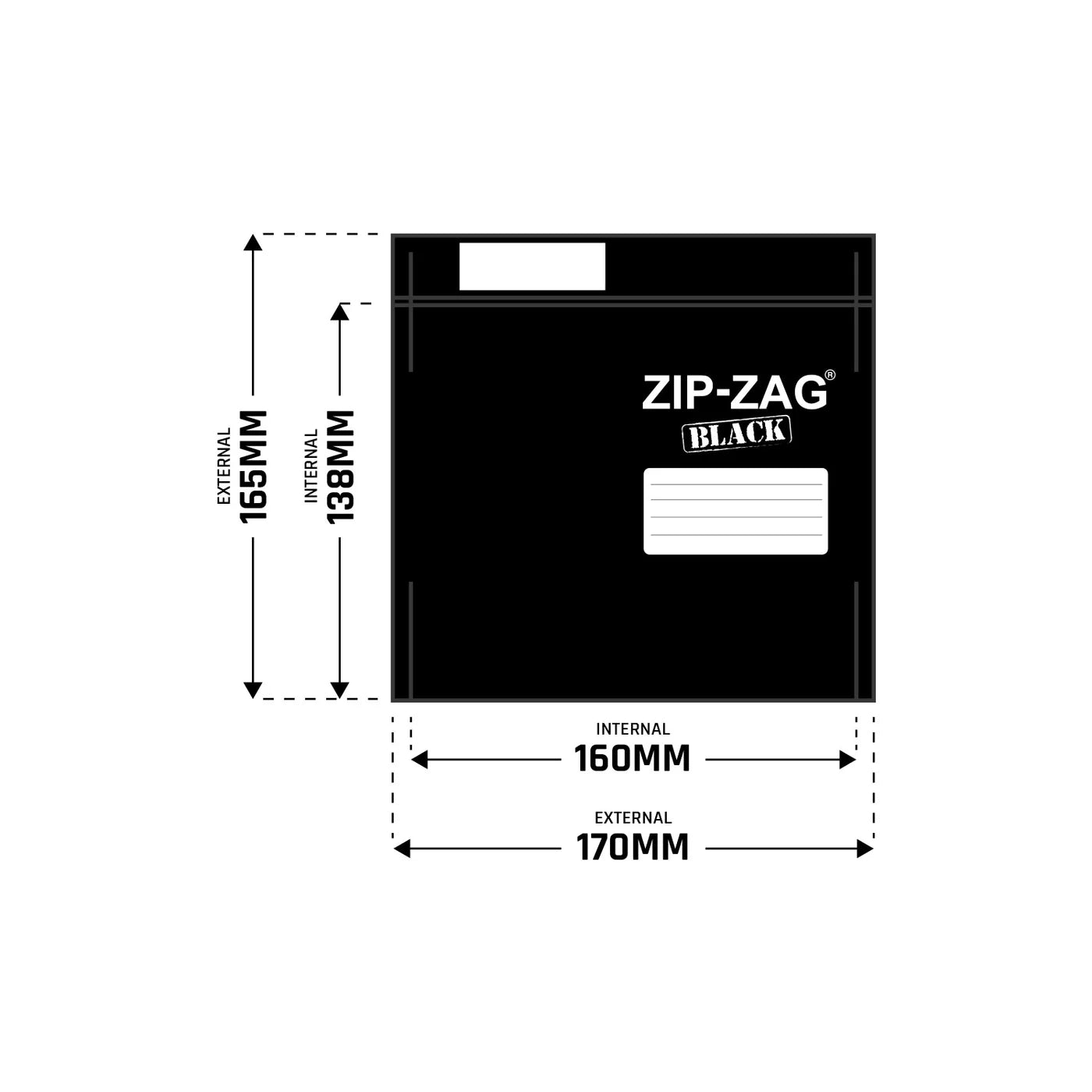
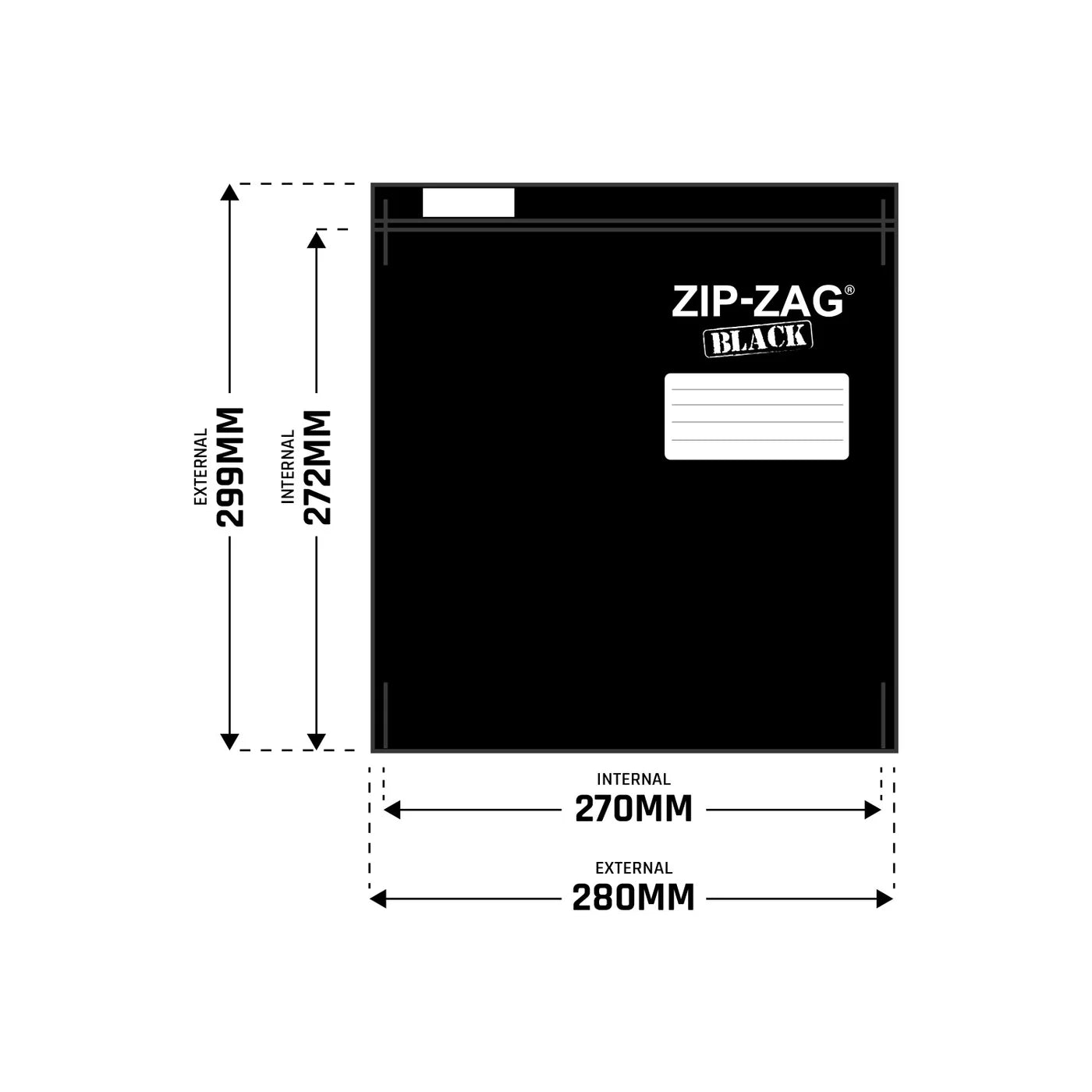
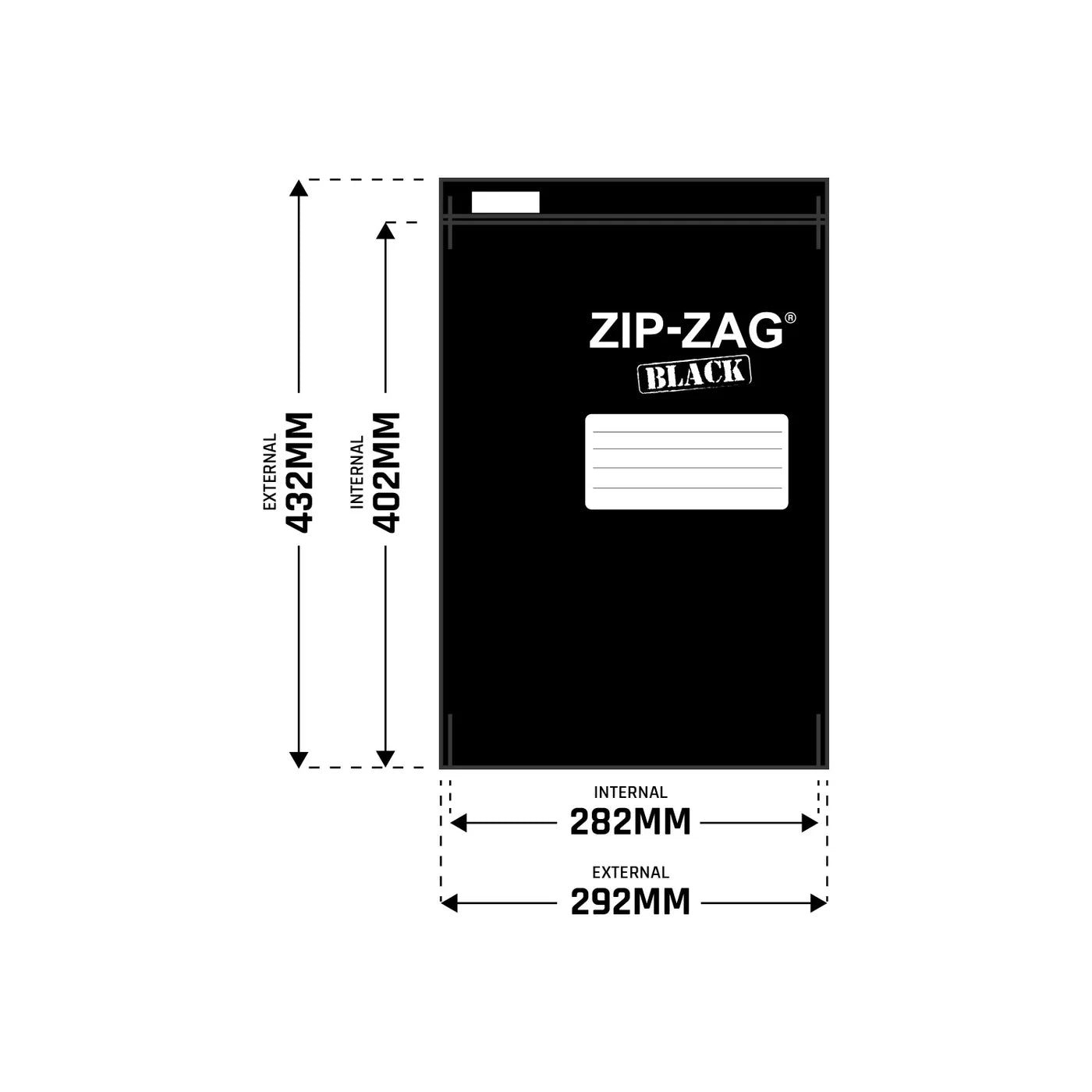
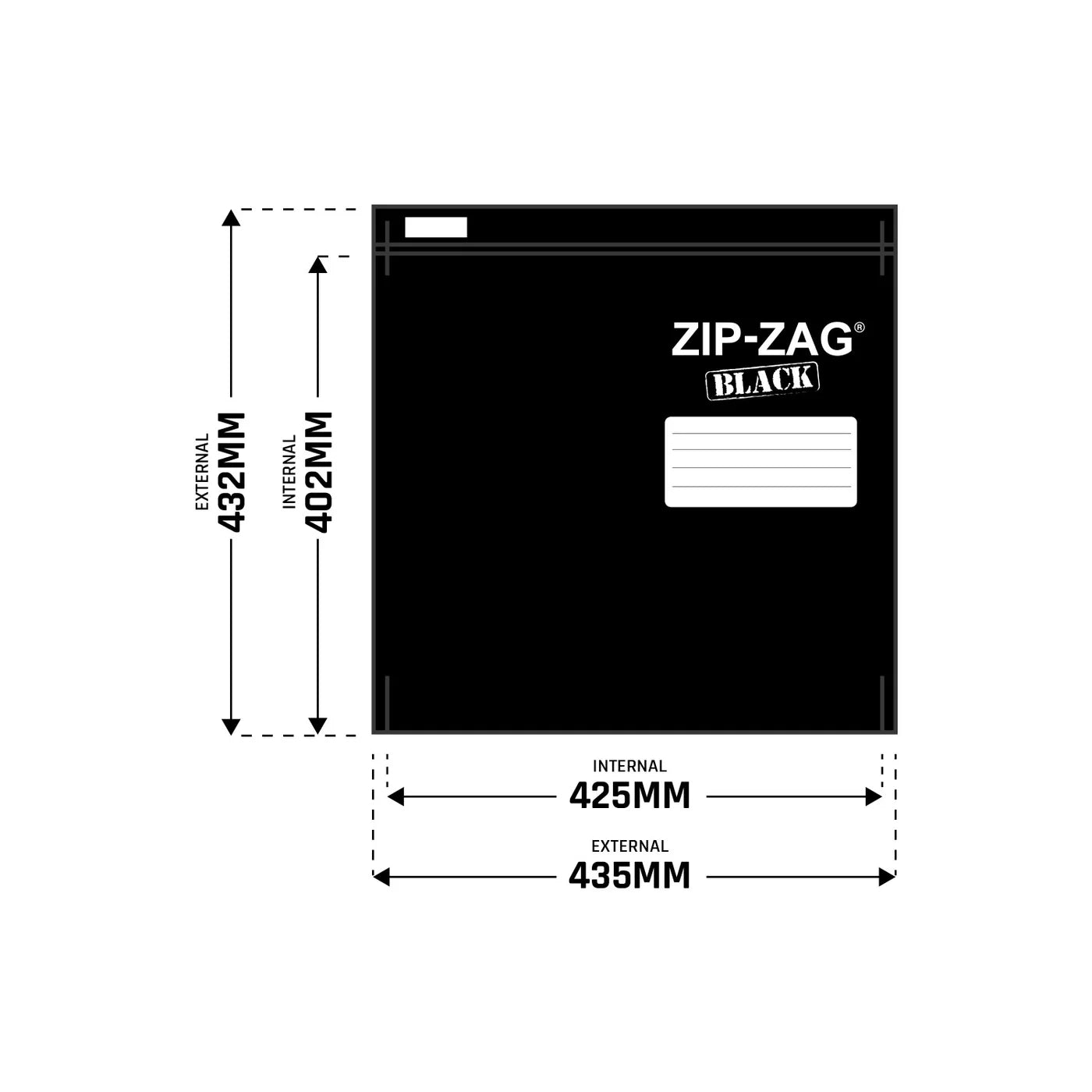
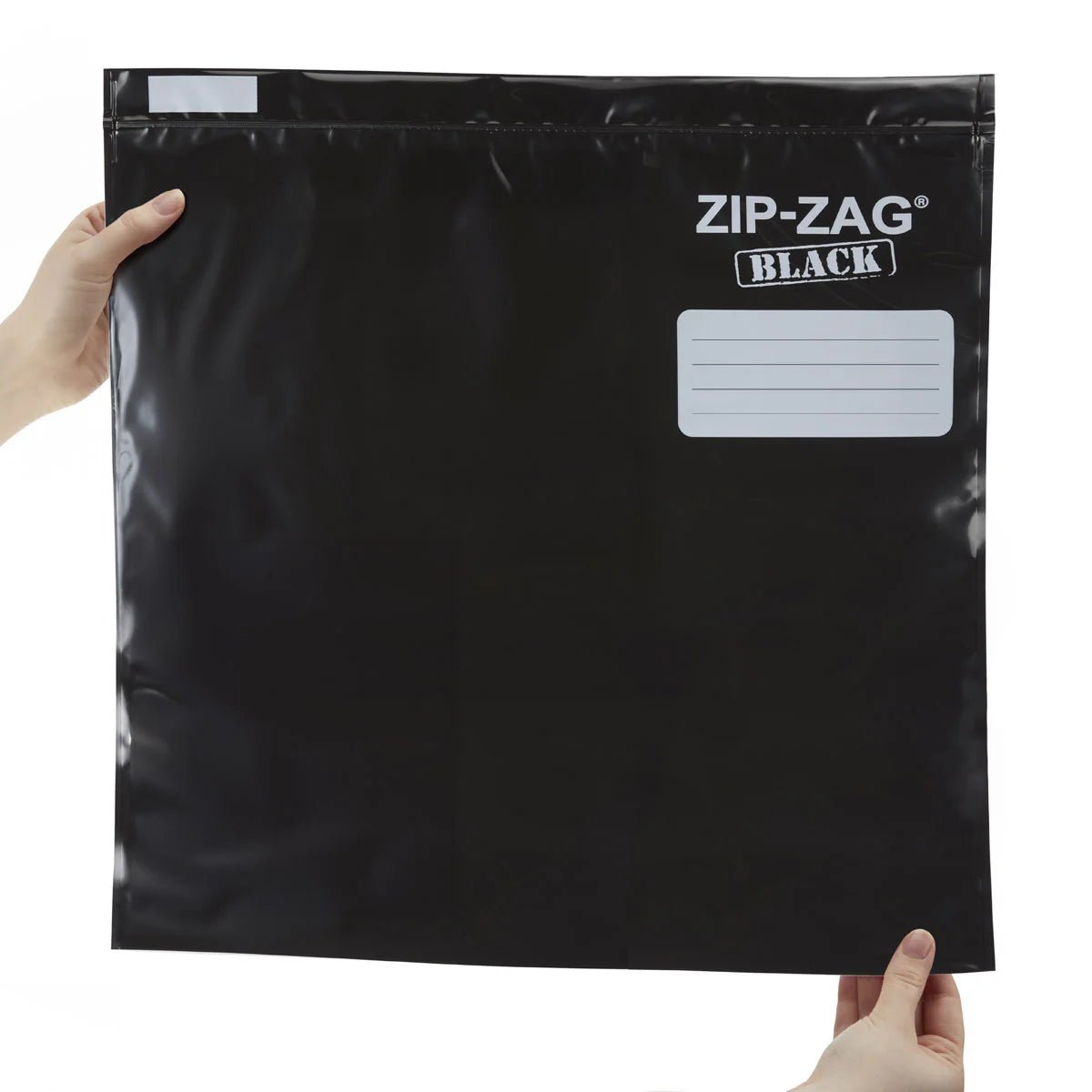
Once cured, the enemies are light, air and humidity swings. Zip-Zag smell-proof bags are resealable, reusable and opaque — a practical alternative to glass for longer-term storage, and they contain odour rather than announcing what's in them. Drop an Integra Boost pack in and the humidity looks after itself.
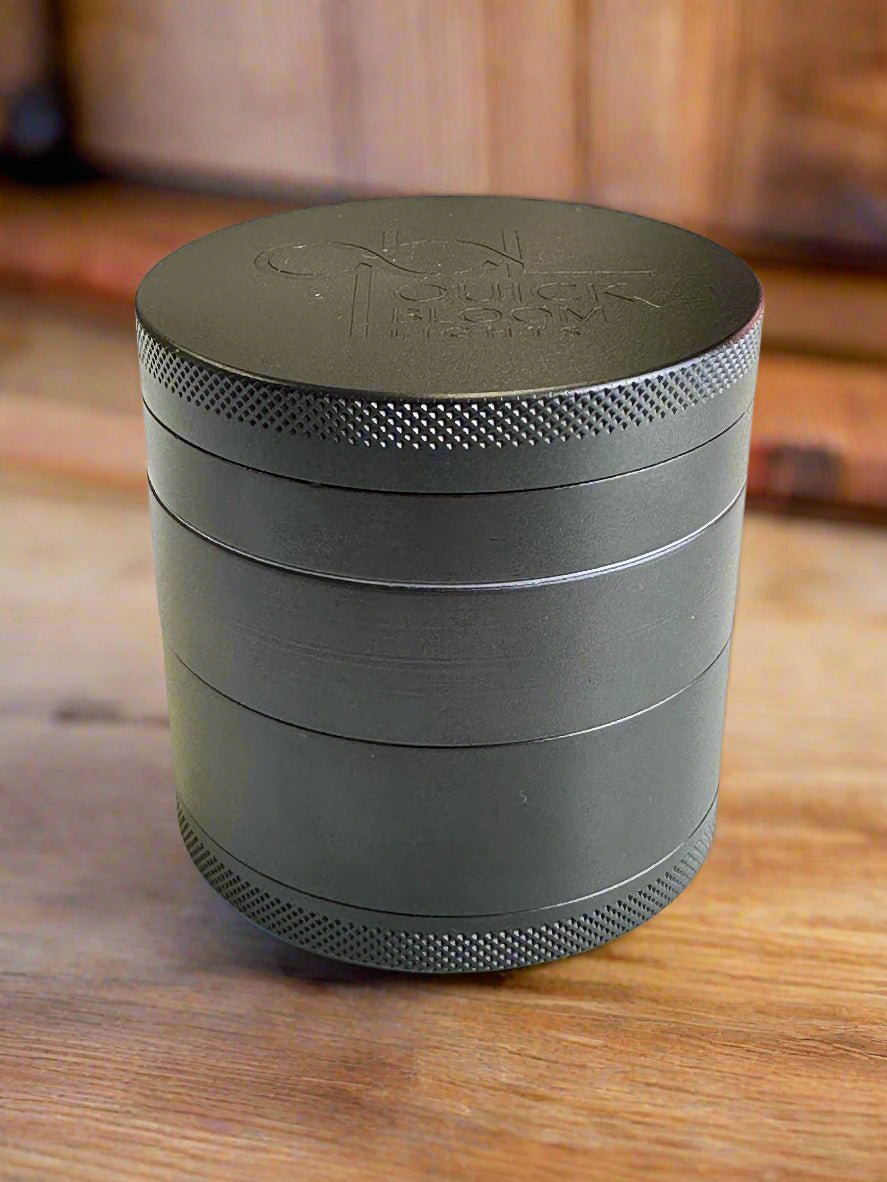
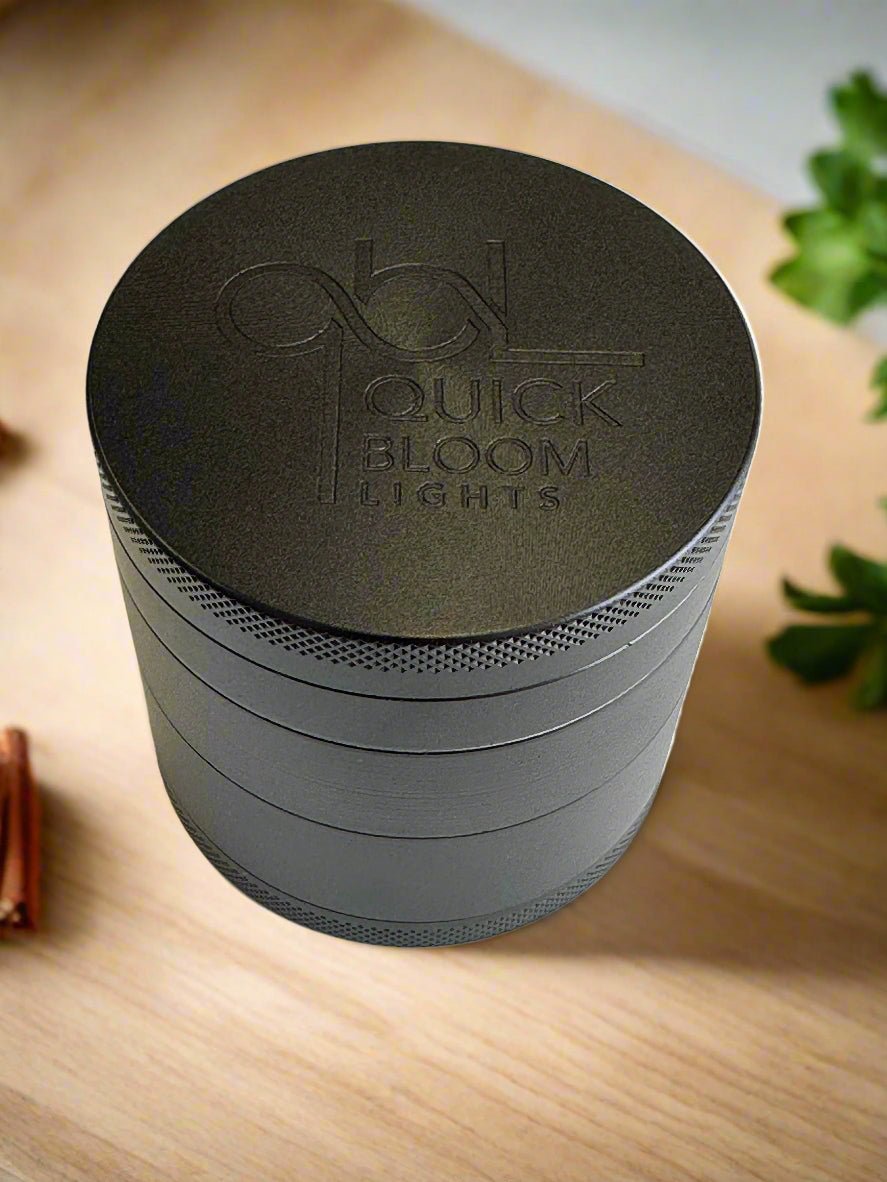
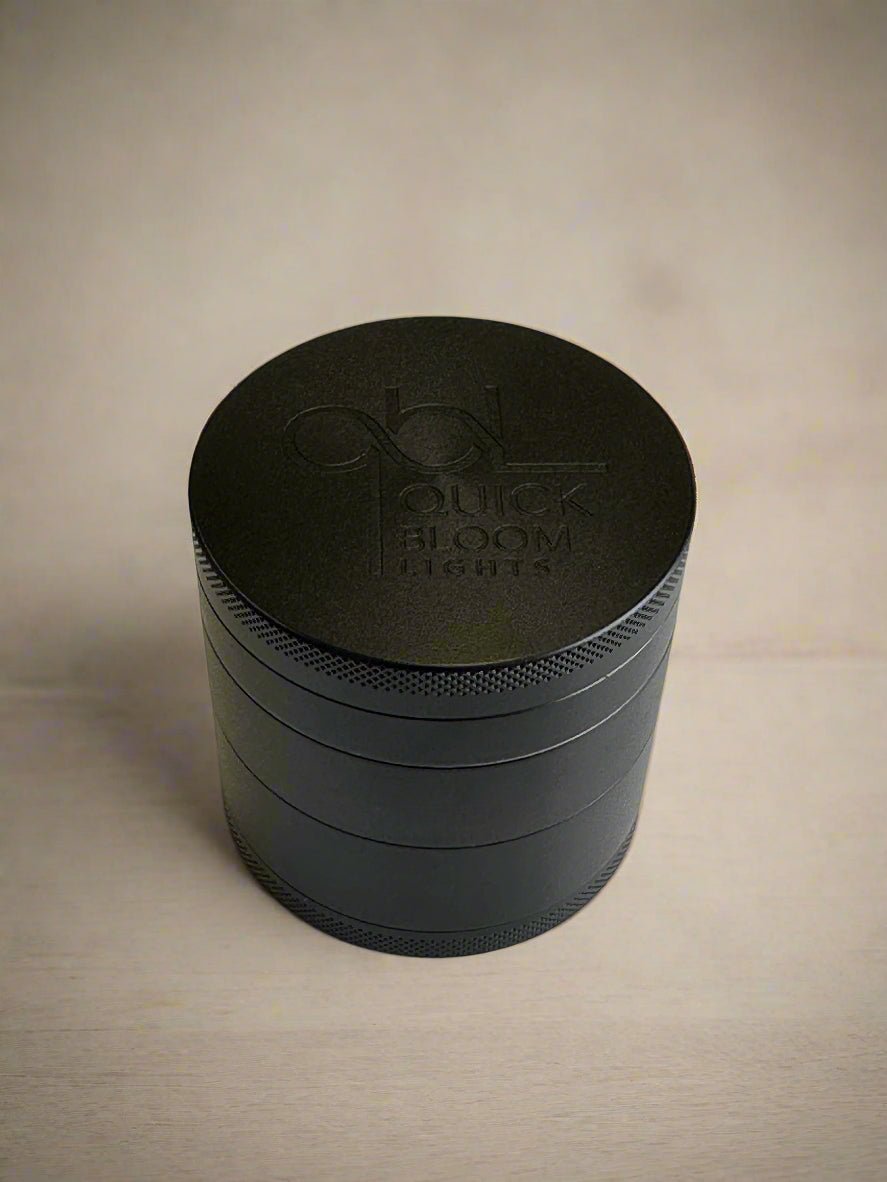
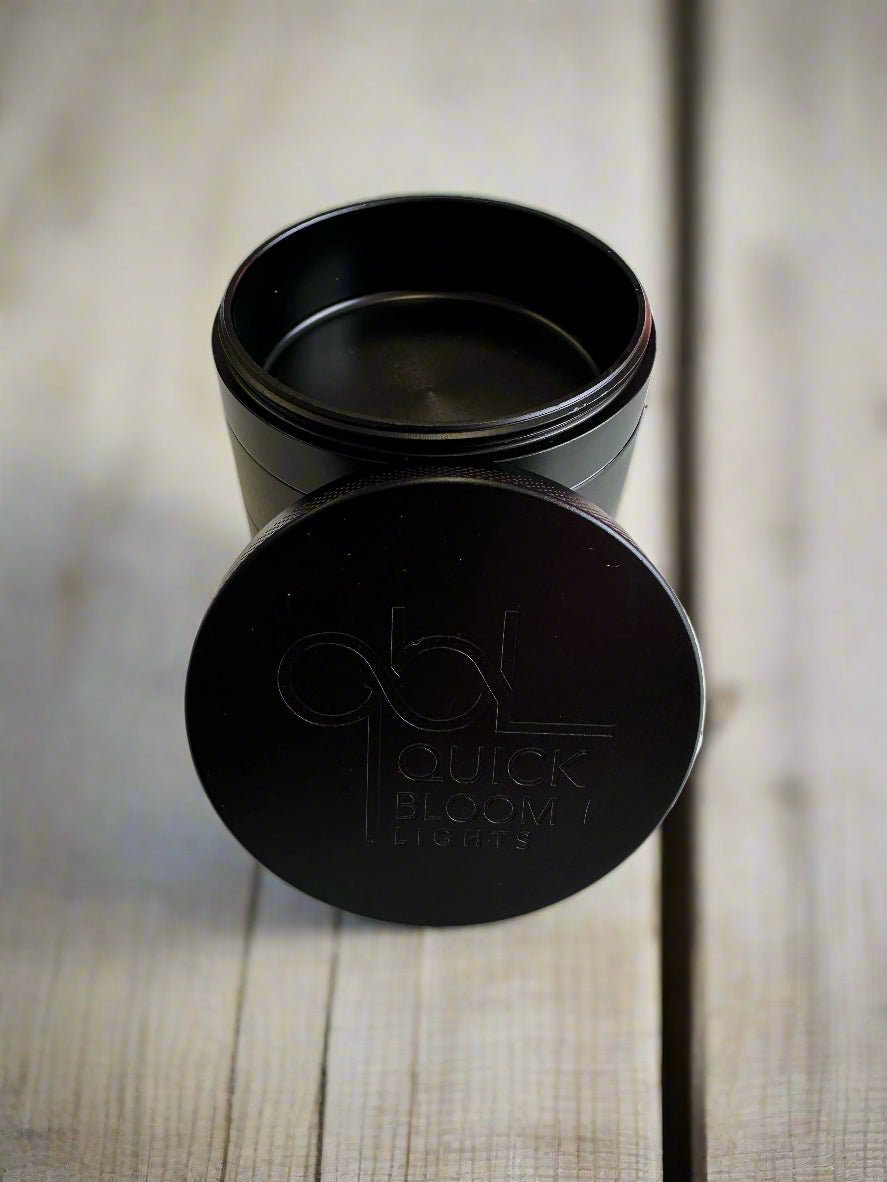
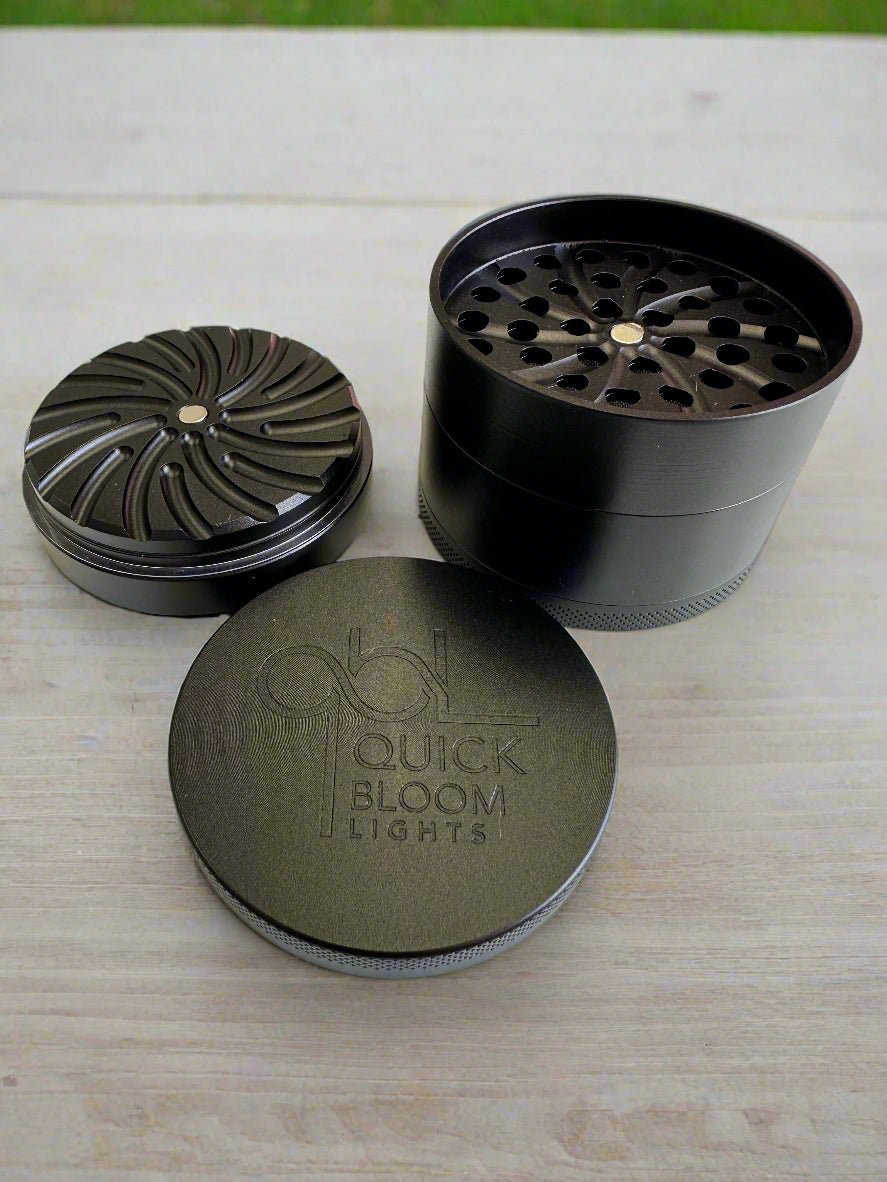
For preparation, the QBL 4-Part Grinder separates through a screen into a collection chamber, and the 5-piece toothless grinder uses a tooth-free plate that tears less and preserves more of the surface.
Why several brands here: this is a workflow, not a product line, and no single manufacturer makes the best version of every step. AC Infinity covers trimming and drying hardware, Integra Boost is the standard for two-way humidity control, Cannatrol handles the automated end, CenturionPro builds for commercial volume. We stock what works for each stage rather than filling the page with one badge.
FAQ
Hand trim or machine trim?
Volume decides it. Hand trimming with a trim tray gives the best finish and you can stop exactly where you want — fine for a personal-scale harvest, punishing beyond that. A bowl trimmer turns hours into minutes and is the sensible step up; the trade-off is a slightly less precise finish, and it's easy to over-trim if you walk away from it. That's why the clear dome matters — you watch and stop.
Wet trim or dry trim?
Wet trimming (straight after harvest) is faster and easier because the leaf is still turgid, and it speeds drying. Dry trimming (after the hang) is slower and messier but the leaf protects the flower while it dries, which many growers feel gives a better end result. Both bowl trimmers here handle wet or dry, so the choice stays yours.
How long should drying take?
Longer than most people's patience — typically somewhere around a week to two, depending on density, room conditions and how much leaf was left on. The point isn't the number of days but the rate: slow and even. If it's done in three days, it was too fast, and that shows up in the finish. Steady moderate temperature, gentle airflow and controlled humidity are what get you there.
Why 62% RH for curing?
It's the widely used target: dry enough that nothing spoils, moist enough that the cure keeps progressing and the material doesn't go brittle. Two-way packs hold that point in both directions, which is what makes them more reliable than guessing with jar burping alone.
Do I need a Cannatrol if I already have a drying room?
No. A well-run room with good airflow and humidity control does the job, and most growers here do exactly that. The Cannatrol is for people who'd rather not manage a room — it takes drying, curing and storage into one controlled appliance and removes the variability. It's a convenience and consistency purchase, not a requirement.
What's the difference between a toothless and a toothed grinder?
Toothed grinders cut with pins and give a fine, fluffy result quickly. Toothless plates tear less and are gentler on the surface, which preserves more of what's on it. The 4-part grinder adds a screen and collection chamber so the finer material separates as you go.