

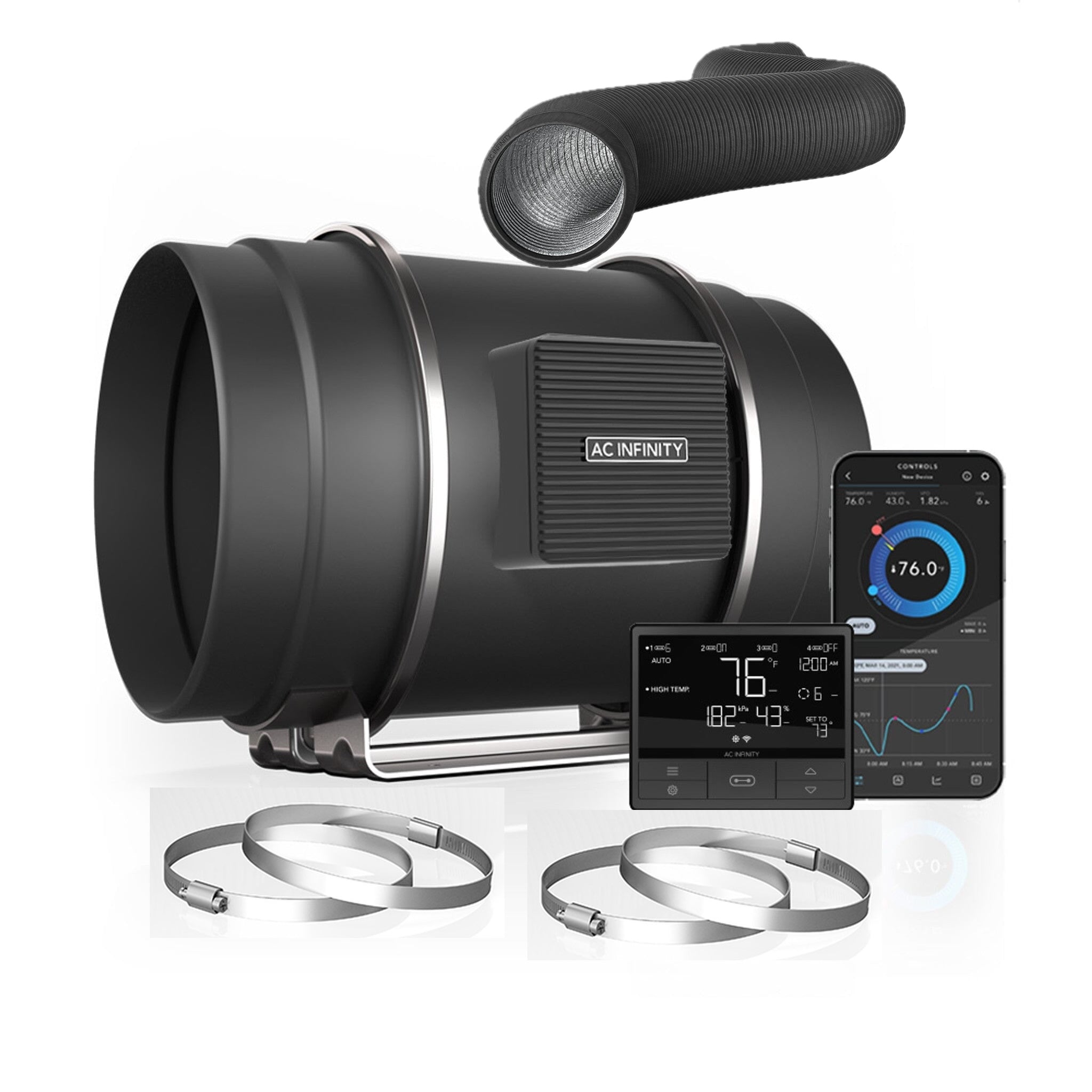


The AC Infinity 200 mm Subfloor Ventilation Kit is a complete, mains-powered subfloor extraction system in one box — the CLOUDLINE PRO T8 inline fan, the Controller 69 Pro with WiFi, 7.6 m of four-layer flexible ducting and four stainless steel duct clamps. It is the large-house version of the job: pulling damp, still air out of the void under a suspended floor and replacing it with drier outside air, on a humidity trigger, without anyone having to remember to switch it on.
It is also the cheapest way to buy these parts. The fan, ducting and clamps on their own come to $549.00; the kit is $499.95, and it arrives as one order instead of four.
What's in the box
| Component | What it does |
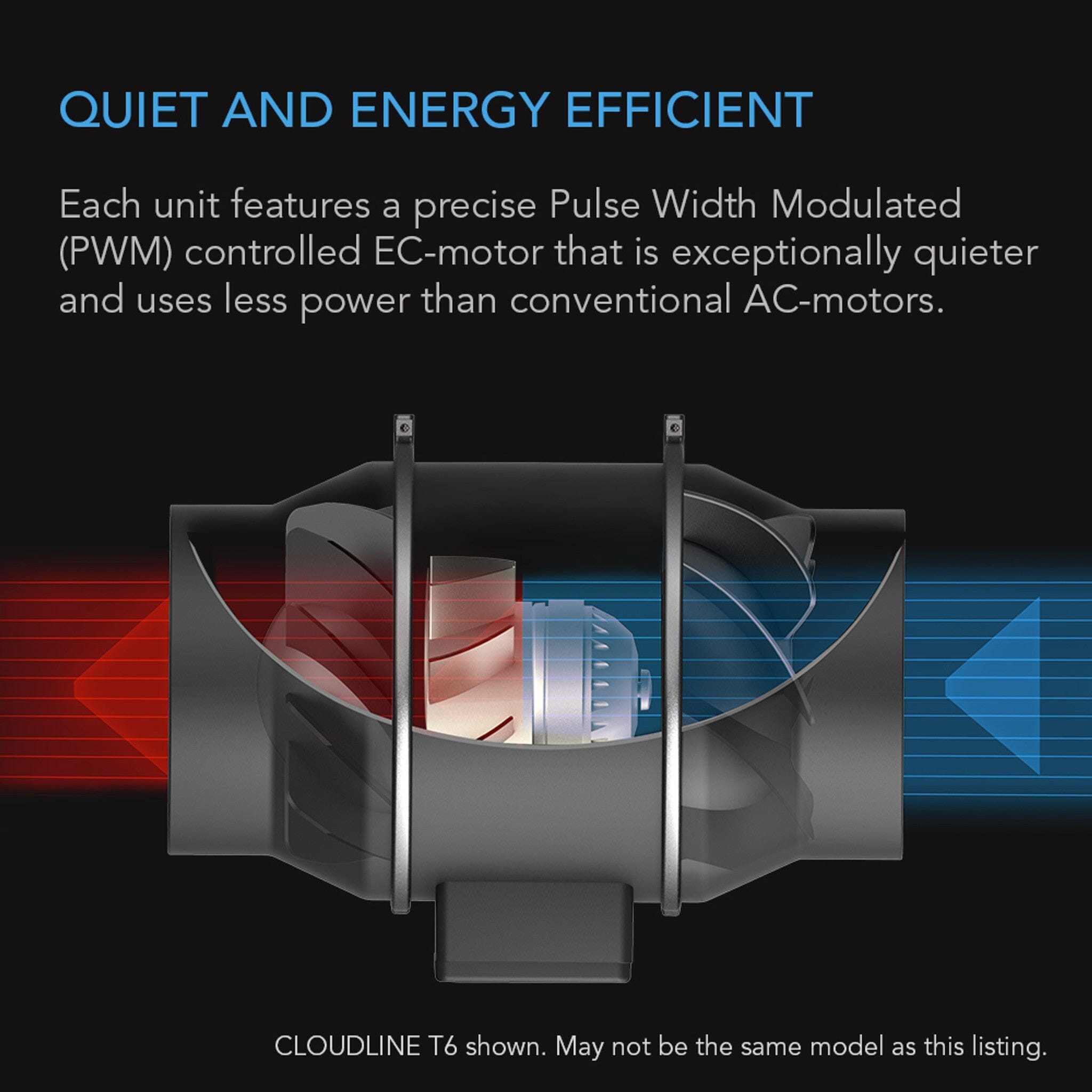
| 1 × CLOUDLINE PRO T8, 200 mm (8″) | The fan. Mixed-flow impeller and EC motor, 1,456 m³/h · 404 L/s (857 CFM) at 746 Pa static pressure — roughly double the airflow of the 150 mm kit through the same restrictive ductwork. Mounts horizontally or vertically, IP44, Australian three-pin plug. |
| 1 × Controller 69 Pro | Temperature and humidity triggers with a 3.66 m sensor probe, plus dynamic speed, timers and schedules. WiFi and Bluetooth for app control, push alerts and climate history. This is the part that makes the system run itself. |
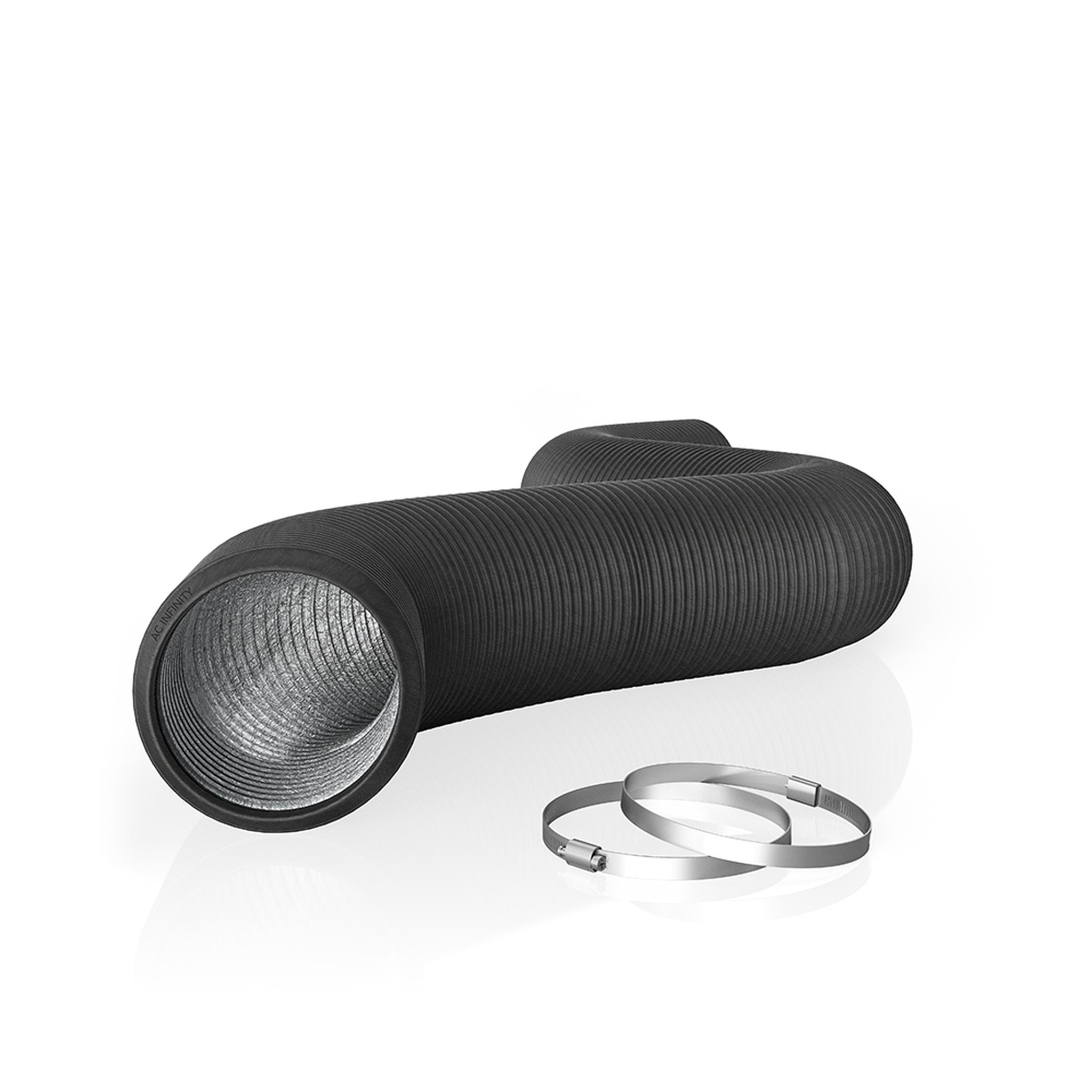
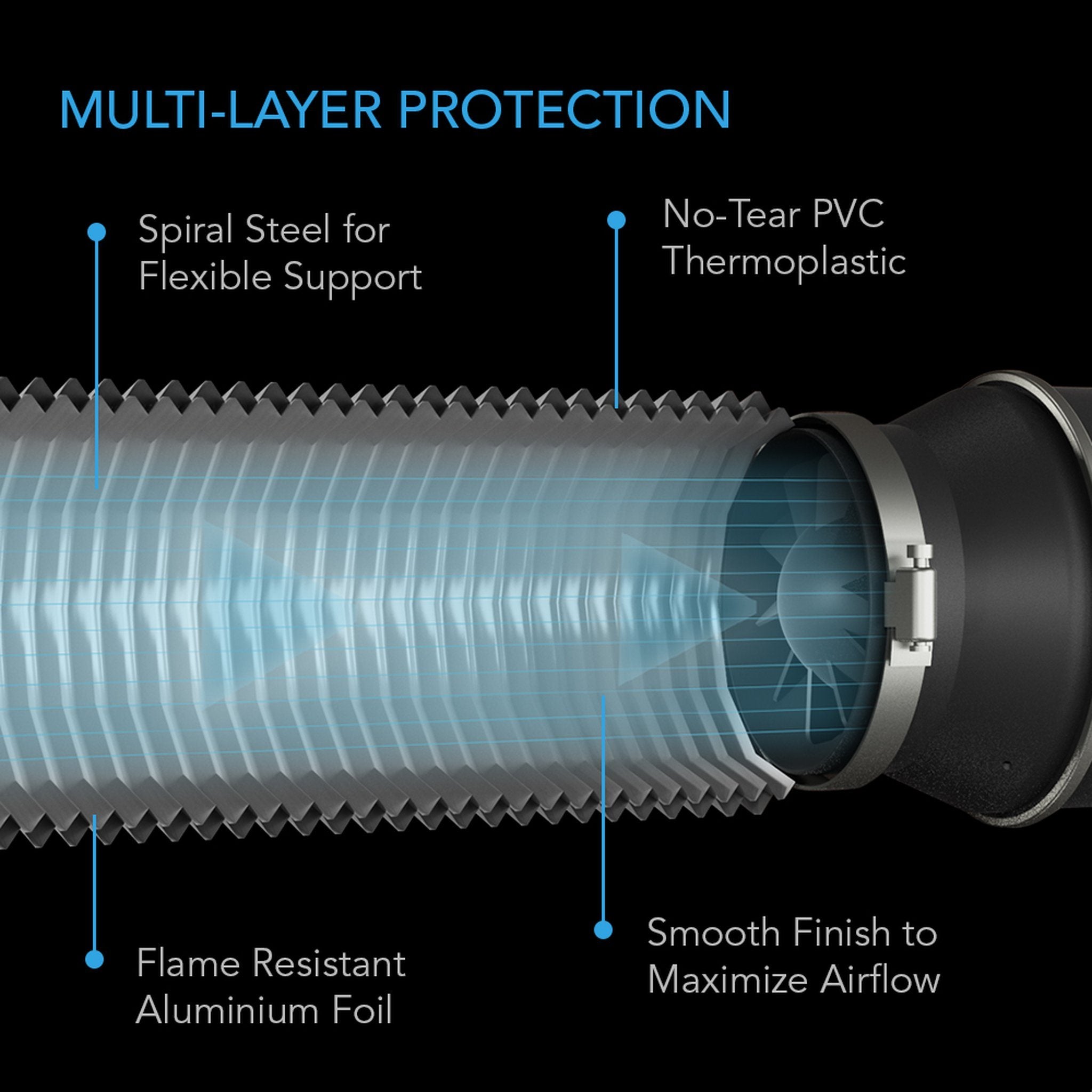
| 1 × 7.6 m four-layer flexible ducting, 200 mm (8″) | Four-layer aluminium and polyester with encapsulated steel wire. Enough length to reach a dead corner or run across to the opposite elevation. |
| 4 × stainless steel duct clamps | Two for each end of the run. Worm-drive, so they seal the duct to the fan and to the grille properly rather than relying on tape. |
Smart climate control
The Controller 69 Pro is what separates this from a fan on a switch. Set a humidity threshold and the fan starts when the subfloor crosses it and stops when it drops back, so it runs the hours that achieve something and stays silent the rest of the time. That matters more than it sounds: a fan on a timer will happily run through a humid night, pulling in air damper than what is already under the floor.
Speed responds proportionally rather than slamming between off and full, and a minimum speed can be set so there is always some air exchange. Over WiFi you get remote control, push notifications and historical charts — worth having when the equipment is somewhere you would rather not crawl to check on. The controller drives up to four UIS™ devices, so a second fan on the intake side can run from the same unit.
Put the sensor probe in the problem area — the damp corner — not next to a vent where the air is already fresh.
Is this the right size for your subfloor?
The 200 mm kit is the one for a large footprint, a long duct run, or a run that has to bend around piers and services before it reaches an outside wall. Bends and length both cost airflow, so a long run wants the bigger fan even when floor area alone would not say so. At 1,456 m³/h and 746 Pa it has roughly double the airflow of the 150 mm kit through the same restrictive ductwork.
It is also the safer choice if you are between the two. A larger fan wound back to level 3 or 4 is quieter than a smaller one pinned at level 9, draws less power and lasts longer. If your house is modest and the duct run is short and straight, the 150 mm kit will do the job for less. The subfloor ventilation guide has the sizing maths with a worked example, and the fan sizing calculator covers what each bend costs you.
Full specifications
| Manufacturer | AC Infinity Inc. |
| Kit SKU | ACT8SUBKIT |
| Fan model | CLOUDLINE PRO T8 / AI-CLT8 |
| Duct diameter | 200 mm (8″) |
| Maximum airflow | 1,456 m³/h · 404 L/s (857 CFM) |
| Maximum noise | 38 dBA |
| Static pressure | 746 Pa |
| Fan dimensions | 217 × 302 × 233 mm |
| Ducting supplied | 7.6 m (25 ft) four-layer flexible, 200 mm (8″) |
| Clamps supplied | 4 × stainless steel worm-drive |
| Controller | Controller 69 Pro, WiFi and Bluetooth, 132 × 74 × 27 mm |
| Sensor-probe length | 3.66 m |
| Cord to controller | 3.05 m |
| Power cord | 2.44 m |
| Voltage / frequency | 100–240 V AC / 50–60 Hz |
| Maximum / average power | 180 W / 78 W |
| Current | 2.3 A |
| Power connection | Australian three-pin plug |
| Operating range | 0–60°C / 35–85% RH |
| Ingress protection | IP44 |
| Mounting | Horizontal or vertical |
| Bearings | Dual ball |
| Rated bearing life | 67,000 hours (manufacturer rating) |
| Certifications | SAA · CE · ETL · RoHS · IC |
| Product manual | CLOUDLINE S & T series manual (PDF) |
FAQ
What exactly am I saving by buying the kit?
The CLOUDLINE PRO T8 is $449.00, the 7.6 m of 200 mm (8″) ducting is $69.00 and four stainless steel clamps are $31.00 — $549.00 bought separately. The kit is $499.95, so you save $49.05 and it ships as a single order.
Do I need a grille, and why is one not included?
You need something on the outside of the wall: a grille to stop vermin and weather getting in, and ideally a backdraft damper so wind cannot blow back down the duct when the fan is off. They are not in the kit because the right one depends on your cladding, the duct exit position and whether you are cutting a new opening or using an existing vent. Send us a photo of where the duct will exit and we will tell you what to add.
Will one kit be enough, or do I need two?
Work it from volume, not house size: floor area × average ground-to-bearer clearance gives the subfloor volume, multiply by your target air changes per hour, then divide by about 0.6 for duct losses. Most average homes land on one 200 mm fan or two 150 mm fans. What matters as much as the number is the layout — extract from the dampest side and let fresh air draw in through existing vents on the opposite side. Do not put intake and exhaust close together or the fan short-circuits and recycles the same air.
Can I install this myself?
For most houses, yes. The fan ships with an Australian three-pin plug and a 2.44 m lead, so if there is a suitable outlet within reach the work is carpentry — cutting the opening, running the duct, weathering the outside and hanging the fan. If you want it hard-wired or need a new power point fitted, that part is an electrician's job. Before you go under the house: older subfloors can contain asbestos and live wiring, and a low crawl space is a genuine confined-space risk.
Will I hear it in the rooms above?
Not if it is installed properly. Three things make a subfloor fan audible upstairs — running it at full speed, bolting it hard to a joist so vibration transfers into the floor, and bare foil ducting carrying noise along the run. Hang the fan on the supplied straps rather than screwing it to timber, run it on a humidity trigger at a moderate speed, and the 38 dBA rating is a ceiling you will rarely reach — a 200 mm fan at level 4 is quieter than a 150 mm fan at level 9 doing the same work. If the fan sits directly under a bedroom, the VIND silenced kit builds the acoustic chamber into the fan itself.
Will this fix rising damp or a wet subfloor?
It fixes trapped humid air, which is what causes musty smells, mould on the underside of floorboards and timber decay. It does not fix water arriving. Standing water, a blocked or badly graded drain, a leaking pipe, an air conditioner condensate line or a failed damp course are building problems and need fixing as building problems first. If the subfloor is visibly wet rather than merely humid, deal with the water source before you order a fan.
Can I use this kit somewhere other than a subfloor?
Yes. The same fan, controller and ducting work in a roof space or attic on a temperature trigger, in a garage or workshop, or as part of a properly designed ducted bathroom exhaust system. The fan is IP44 and mounts either way up. For bathroom use it must be part of a suitably designed ducted system. Most people use the 150 mm for a bathroom, or the 100 mm for smaller rooms such as ensuites and toilets, but several of our customers run the T8, the fan in this kit, in a medium bathroom. It gives a lot more power in reserve and runs very quietly at low speed, because a larger fan does the same job at a slower speed. If you are unsure, send us the details and we will help. Do not install the fan, controller or power connection directly over a shower or bath, or anywhere it can get water spray.
How does the airflow compare with a ceiling or bathroom exhaust fan?
Installers rate exhaust fans in m³/h or L/s. The CLOUDLINE PRO T8 in this kit moves up to 1,456 m³/h (404 L/s) at full speed. For comparison, the National Construction Code minimum for a bathroom or toilet is 25 L/s (90 m³/h), and 40 L/s (144 m³/h) for a kitchen or laundry, discharged outdoors rather than into the roof space. Real airflow drops with every metre of duct, bend and grille, which is where the 746 Pa static pressure rating matters. Check the requirements for your job with your installer.
Can one controller run fans in two areas?
The Controller 69 Pro runs up to four UIS fans, each on its own program, but it has one probe, so temperature and humidity are measured in one place only. A fan in a second room or a separate part of the house would react to readings from somewhere else, so for two separate areas, give each its own fan and controller. You do not need to switch it off: set a humidity or temperature trigger and the fan ramps up when the damp or heat builds and settles back down after. It also resumes its last setting after a power cut.
Is this genuine AC Infinity stock with an Australian warranty?
Yes. Quick Bloom Lights is the official Australian importer and distributor for AC Infinity. The fan is SAA certified with an Australian three-pin plug, stock is held in Sydney, and the two-year warranty is handled here rather than through an overseas seller.