Quiet Home Ventilation & Exhaust Fans collection — rewrite preview
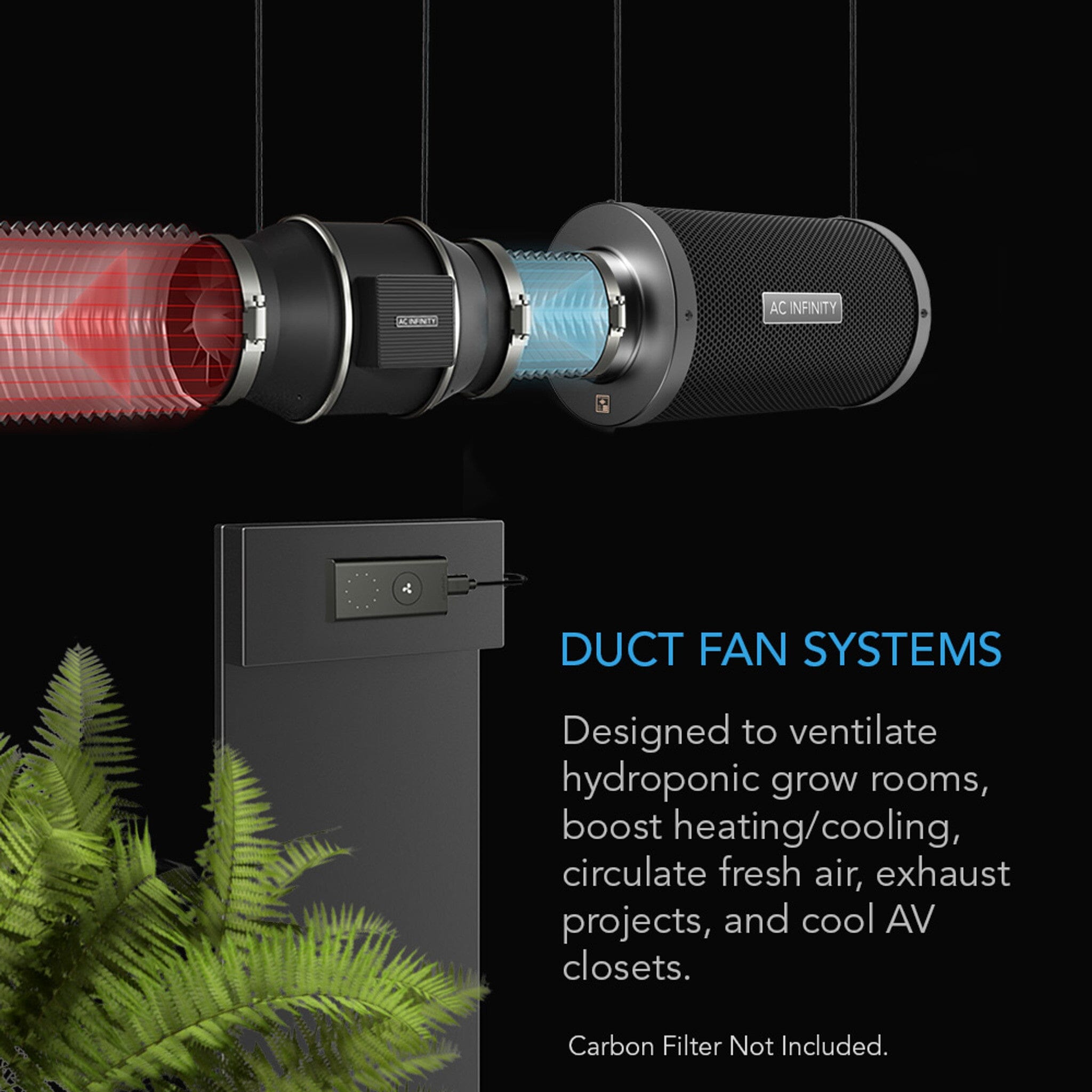
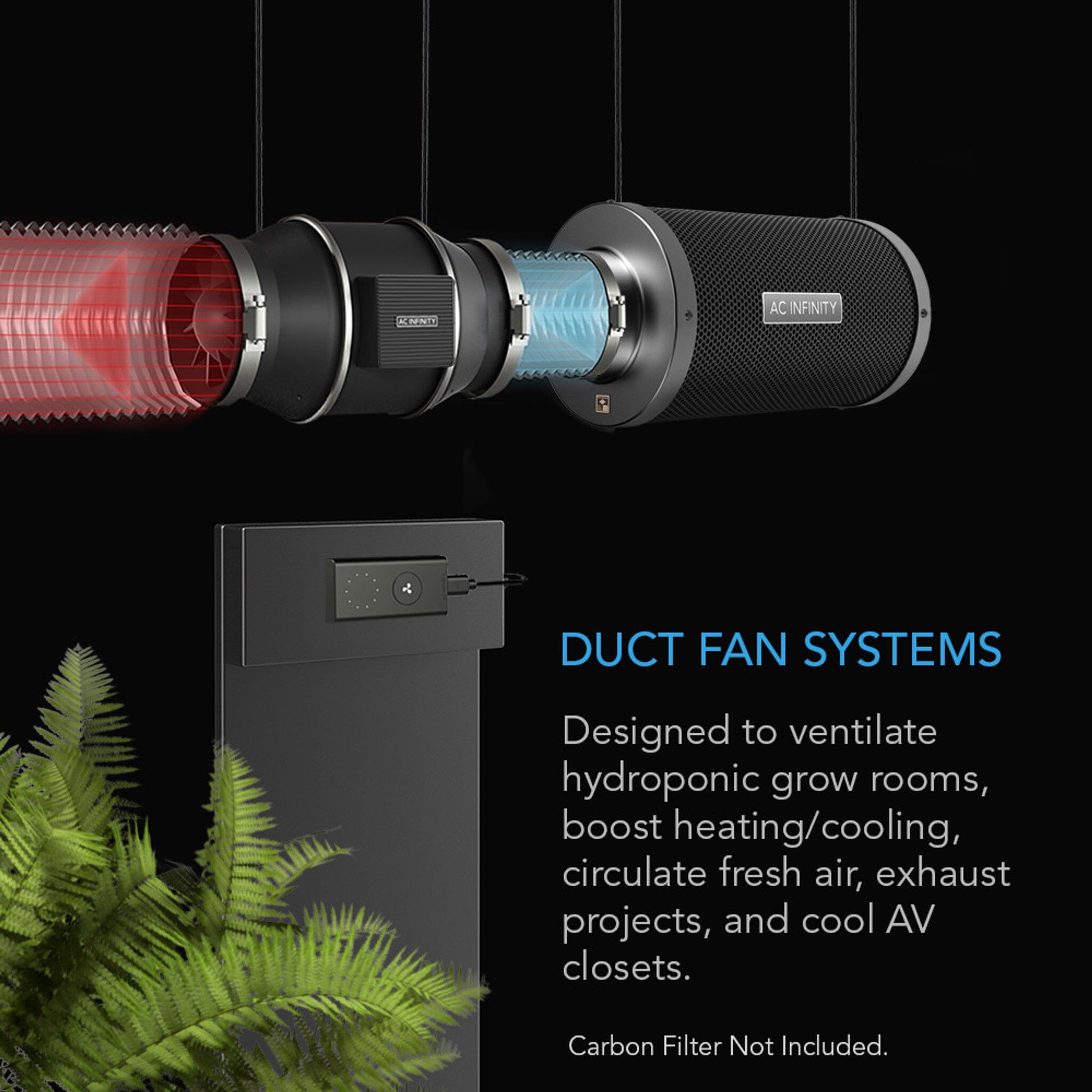
Poor ventilation shows up differently depending on where it happens — damp and mould under the house, stale trapped heat in a garage or attic, one room that never quite matches the temperature of the rest of the house. The right fan solves each of these differently, and running it quietly, efficiently and on autopilot makes the difference between a fix you notice and one you forget about.
Where Ventilation Matters Most
Under the House (Subfloor)
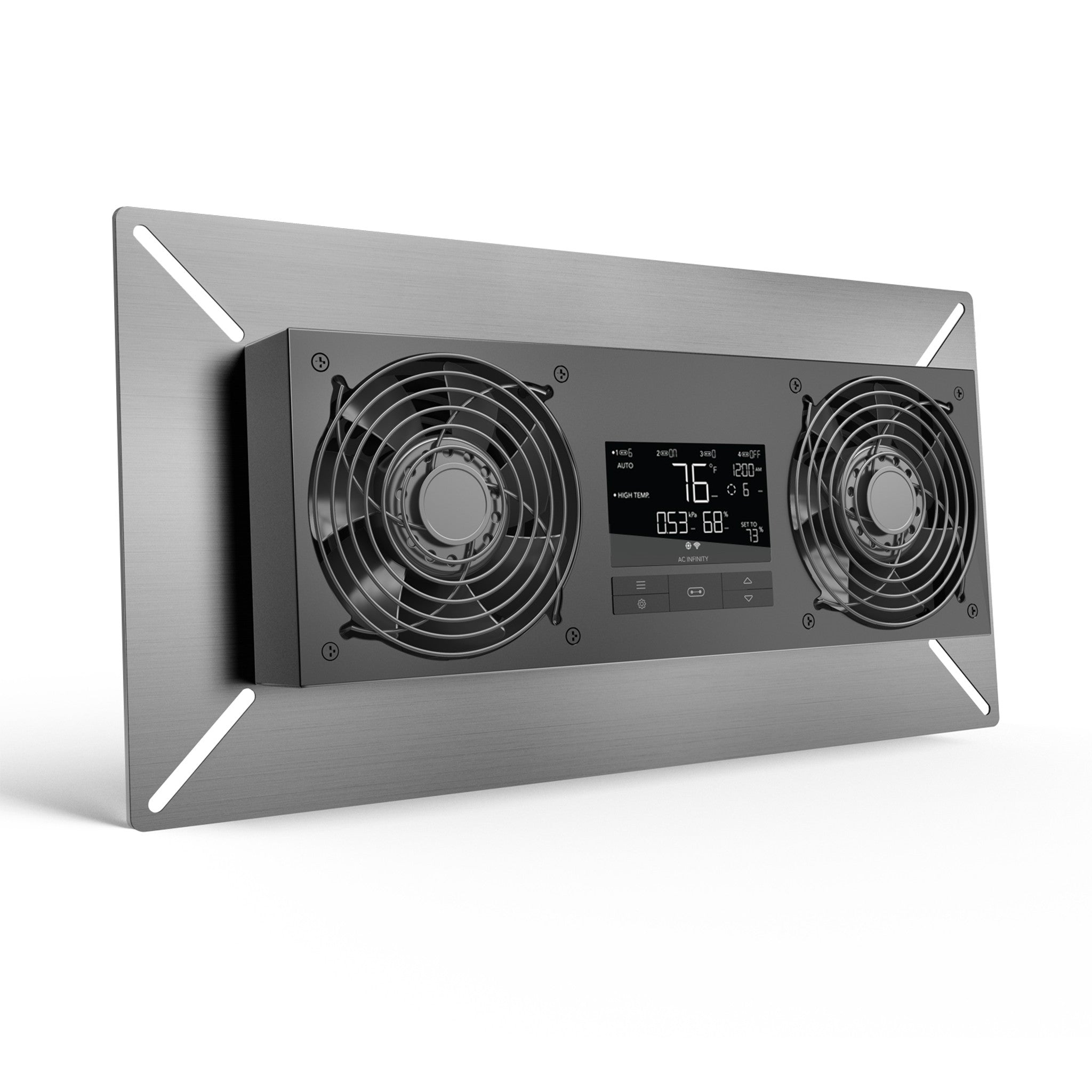
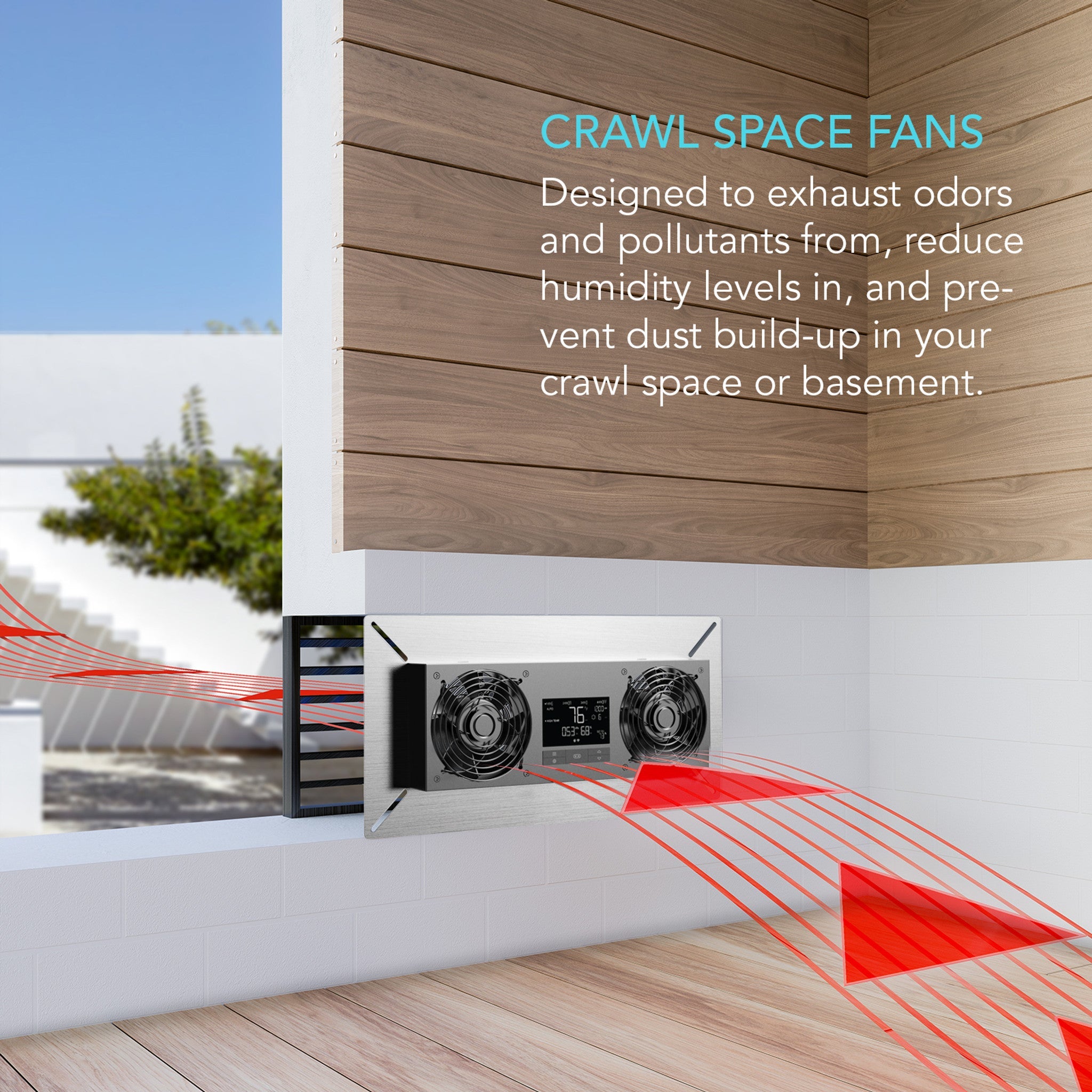
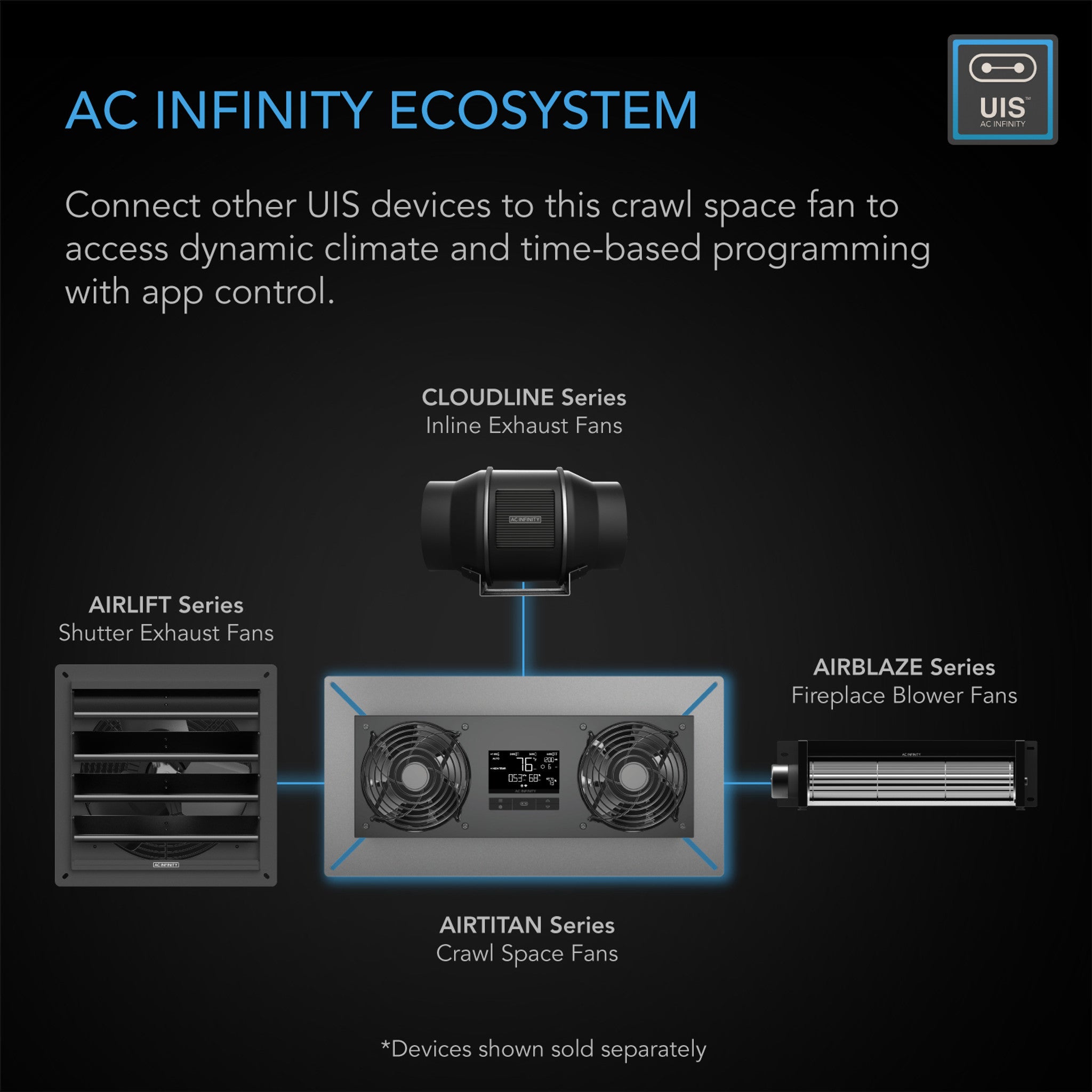
Trapped, humid air beneath the house is one of the biggest drivers of mould, timber rot, and termite activity. A subfloor fan continuously exchanges that stagnant air for drier outside air, keeping moisture levels low enough that mould and pests lose their foothold. Because it's constant, low-level airflow rather than a one-off fix, it works around the clock without you thinking about it.
Shop Subfloor Ventilation →
Garages, Attics & Workshops
These spaces trap heat and fumes with little natural airflow. A shutter exhaust fan pulls that air out on demand, with an automatic shutter that seals shut when the fan's off to stop draughts and pests getting back in. It's the difference between a garage that's usable in summer and one that isn't.
Shop Shutter Exhaust Fans →
Room to Room
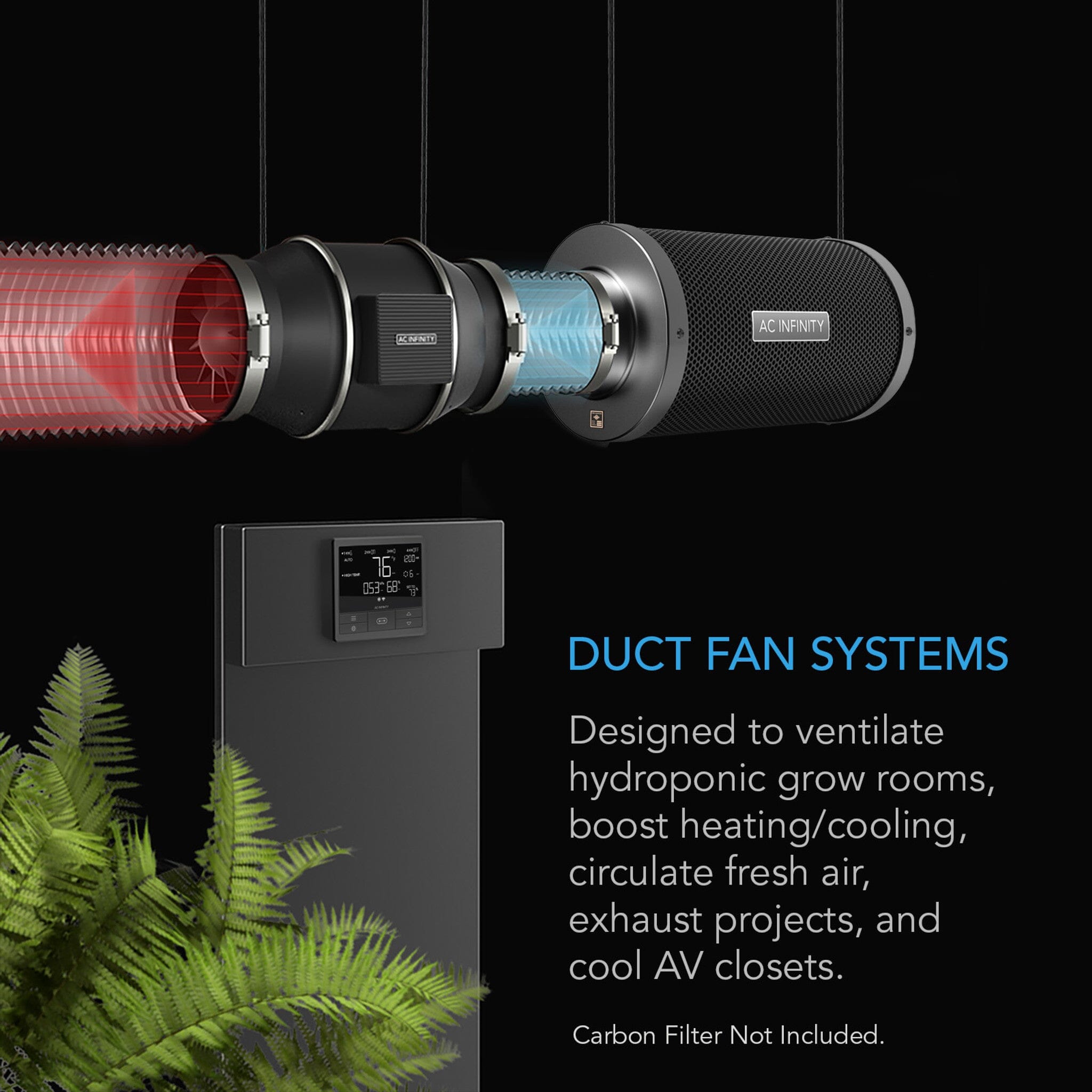
Not every airflow problem needs ducting through the roof. A two-way room-to-room fan moves air directly between two adjoining spaces — pulling cool air into a hot room, or pushing humid air out of one that doesn't breathe — without a full ventilation install.
Shop Room to Room Fans →
Filtration & Ducting
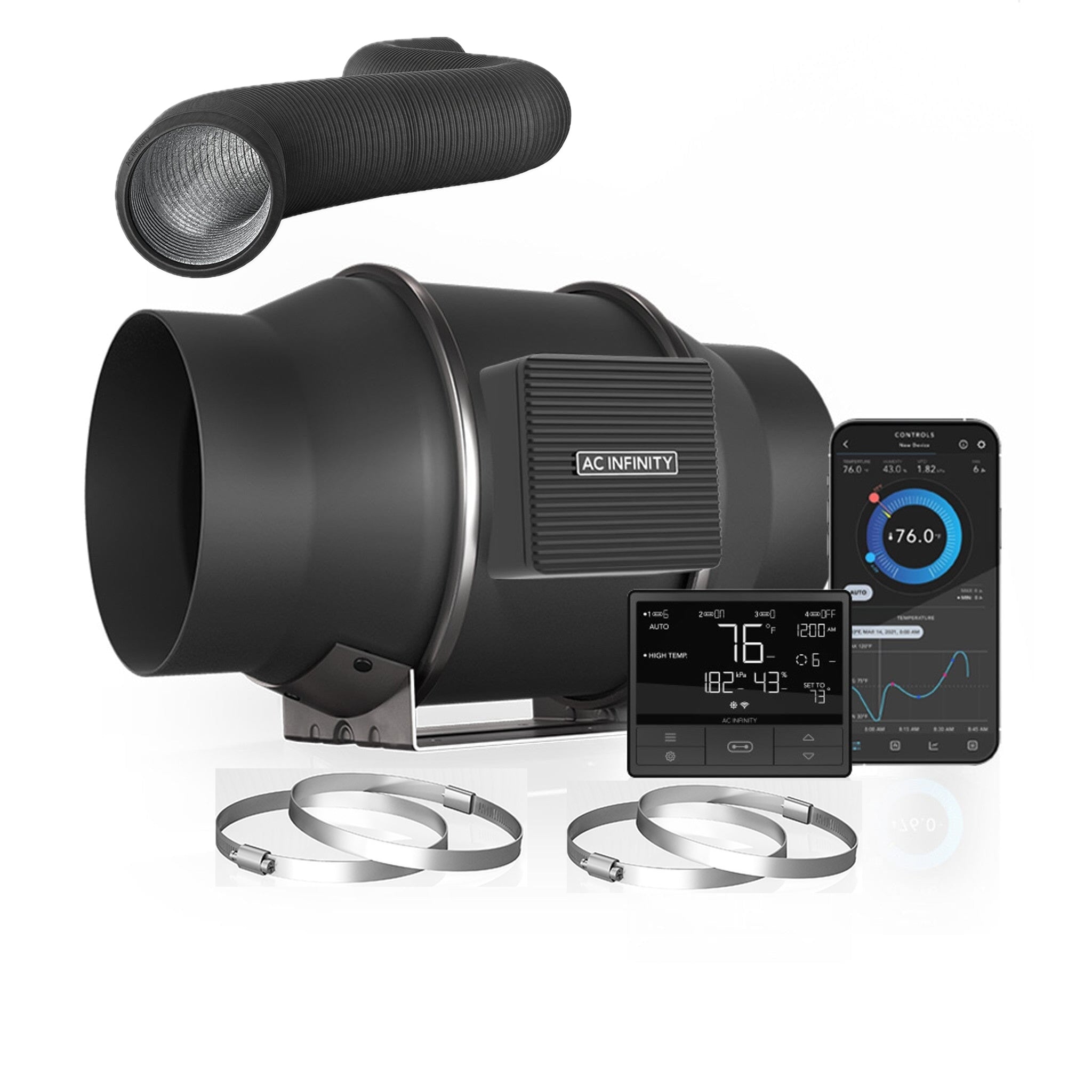
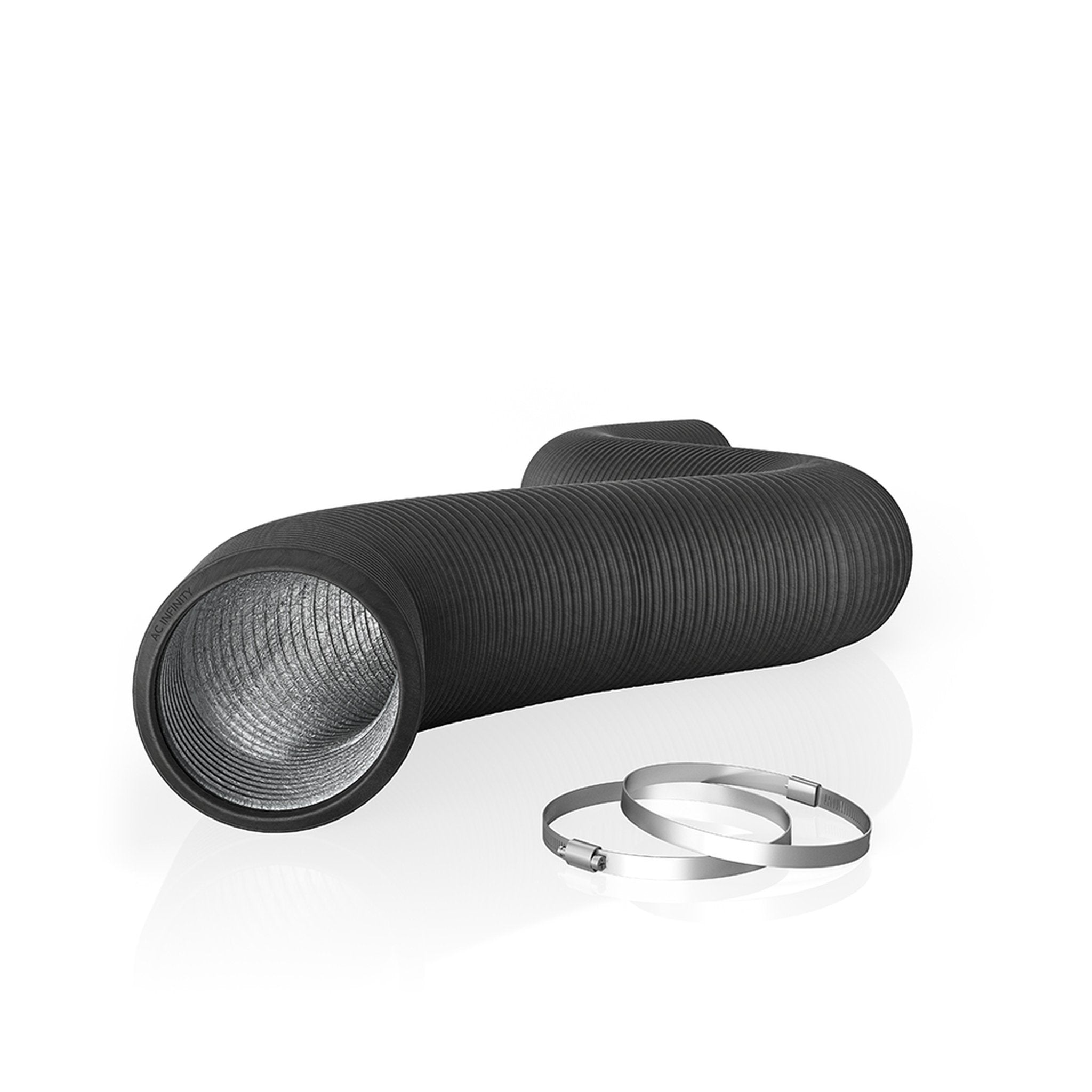
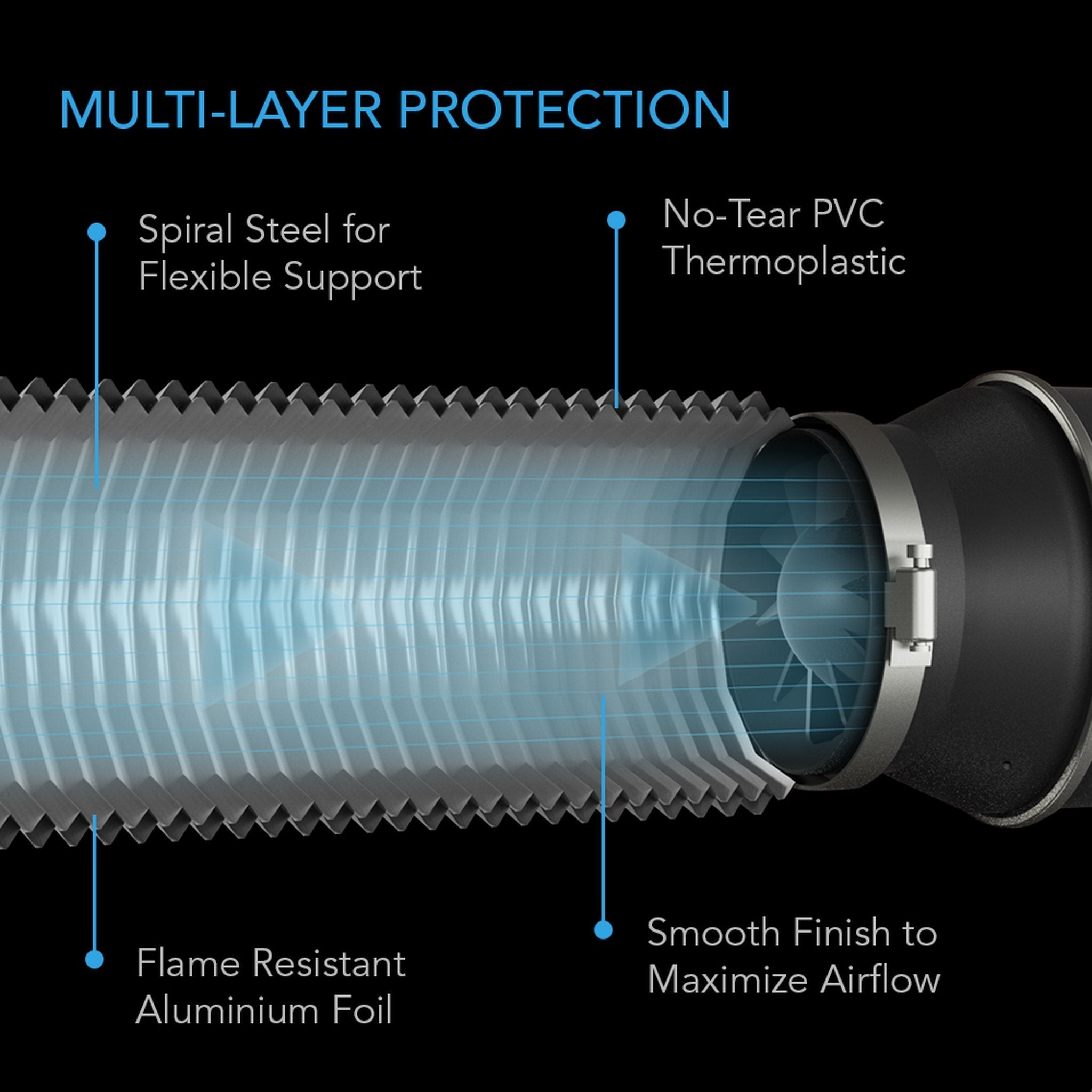
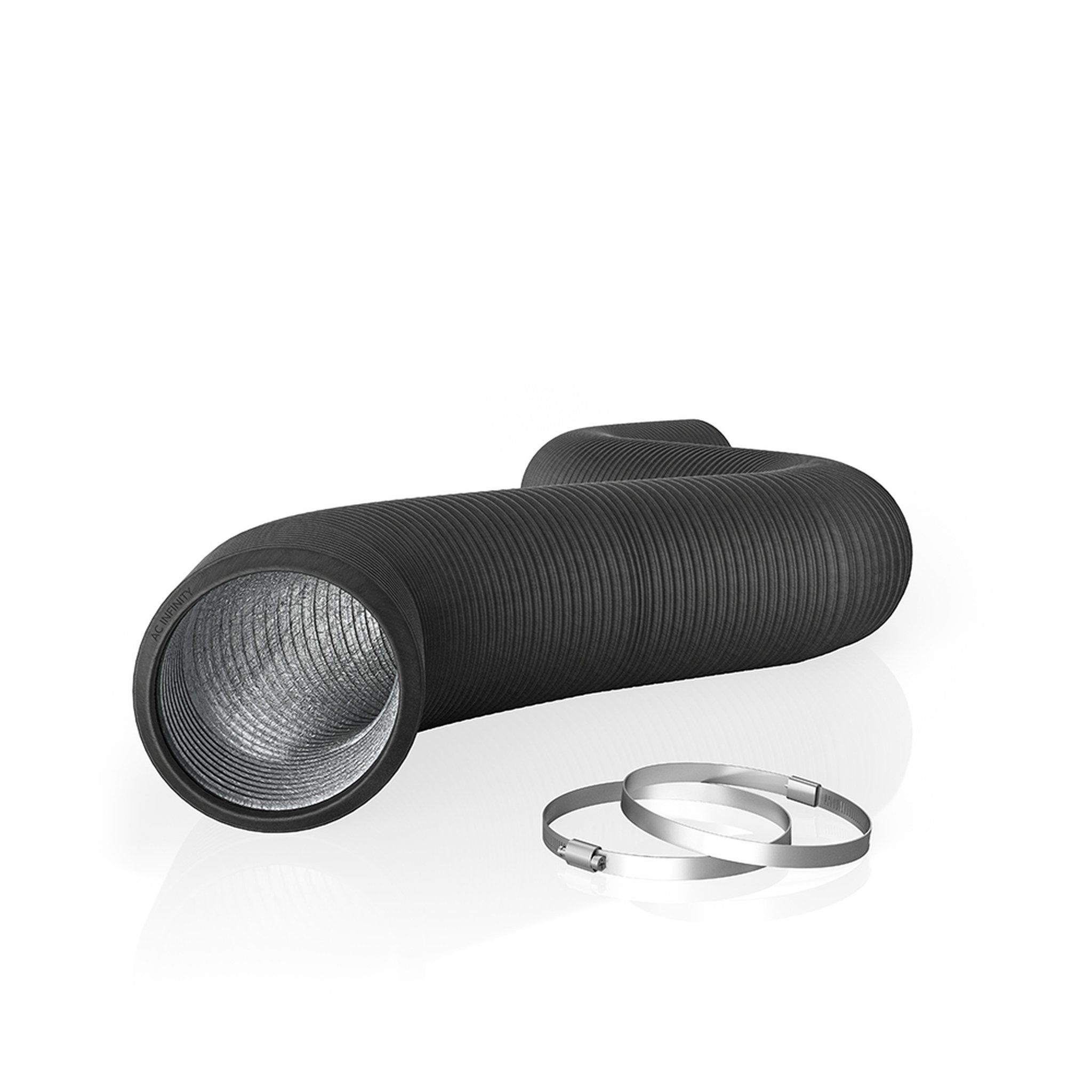
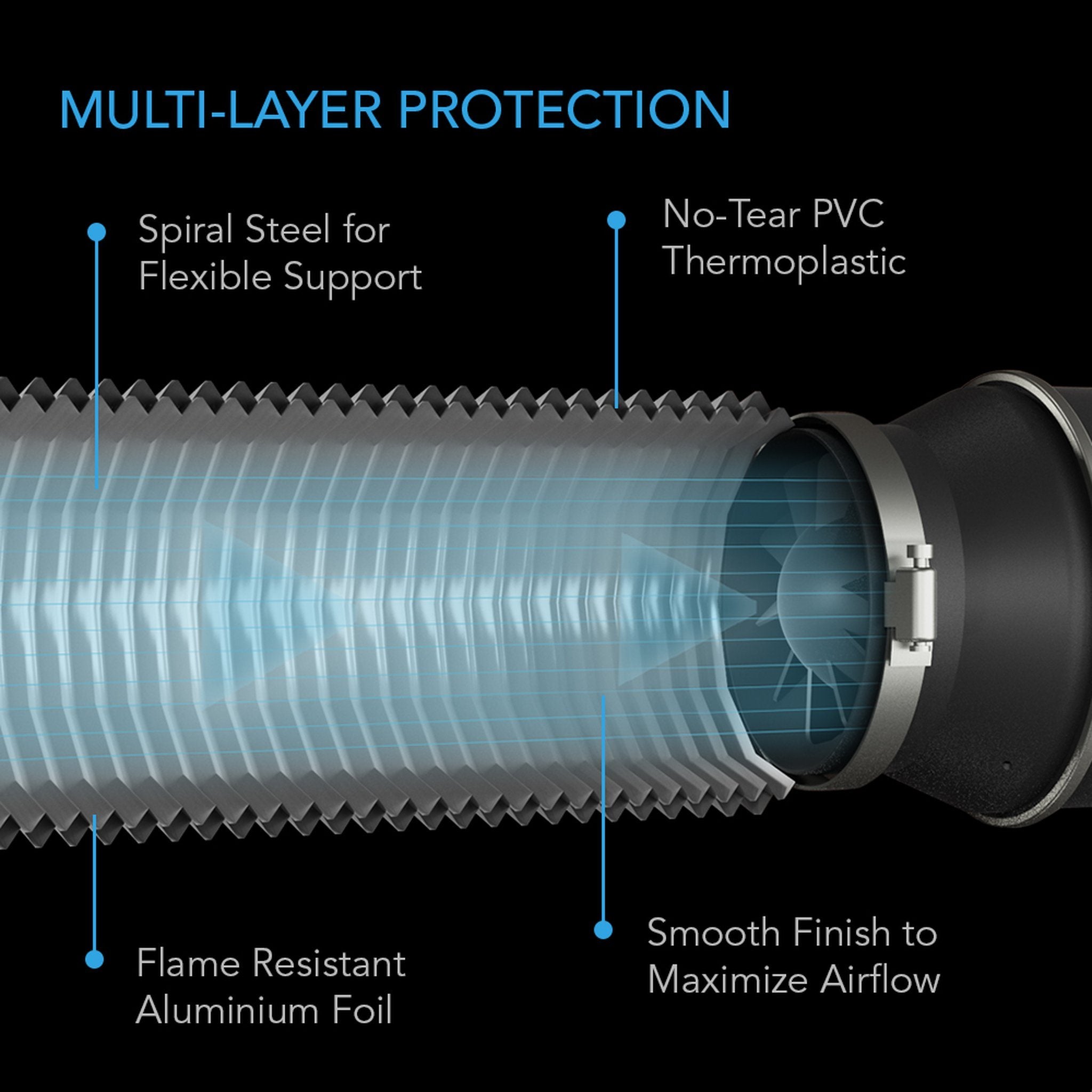
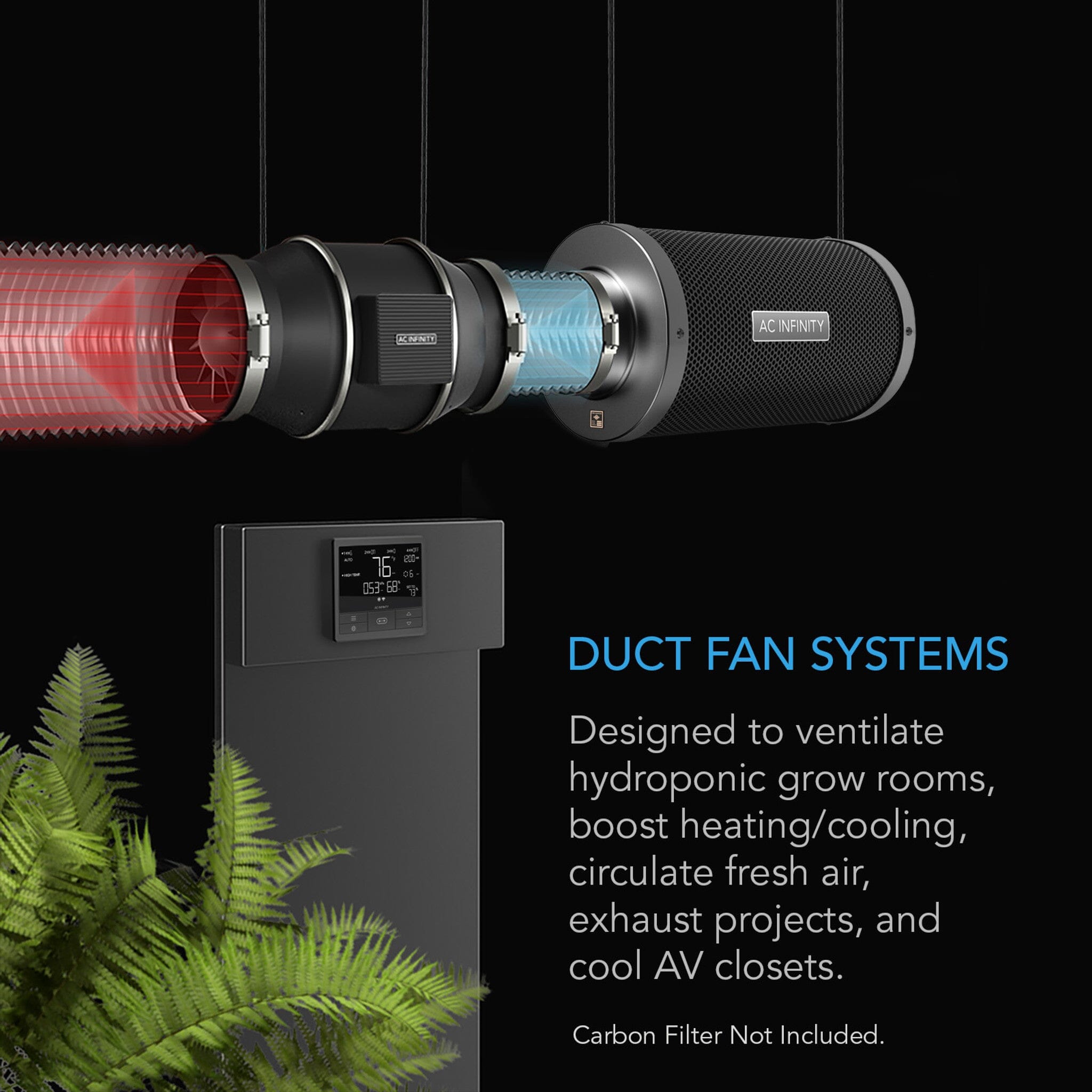
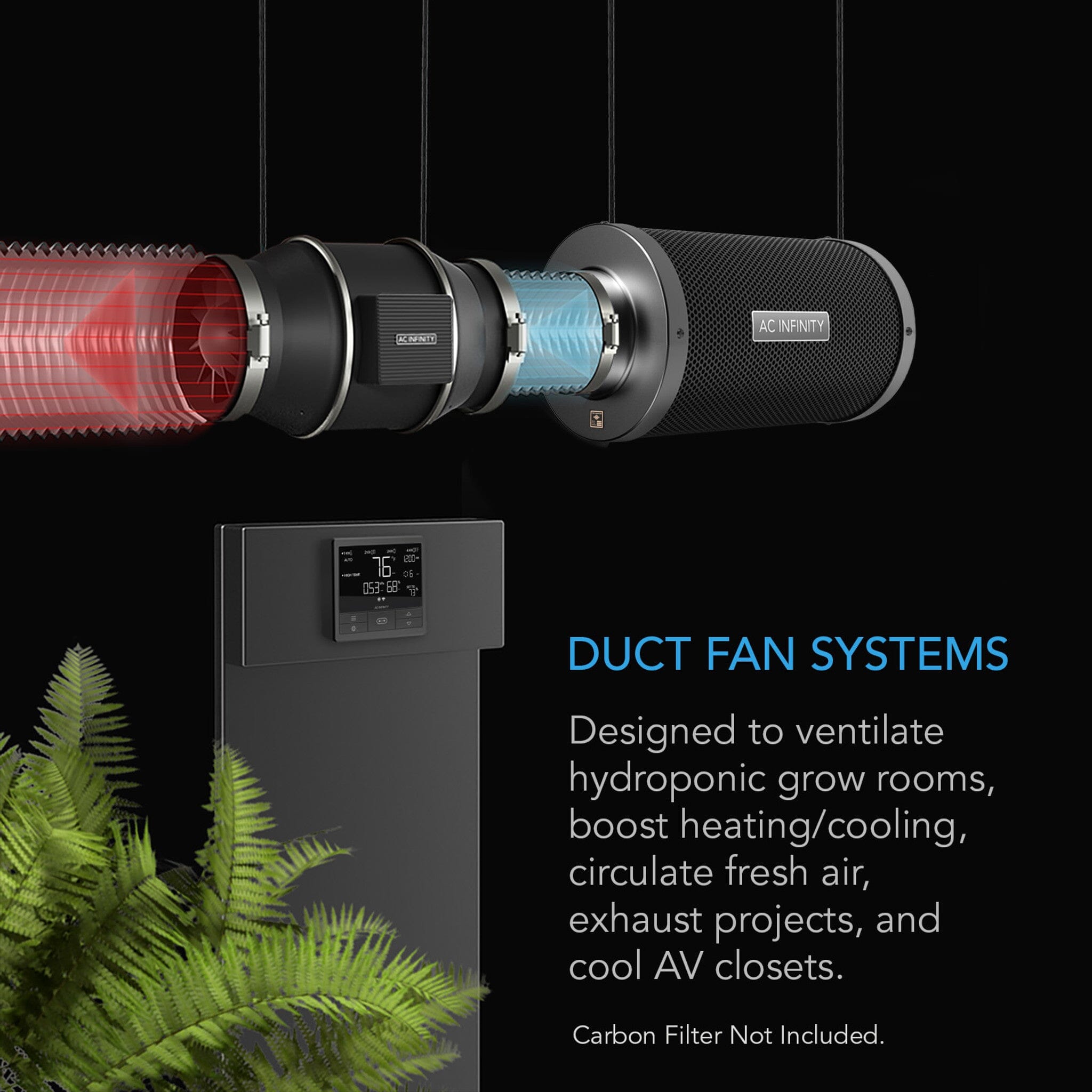
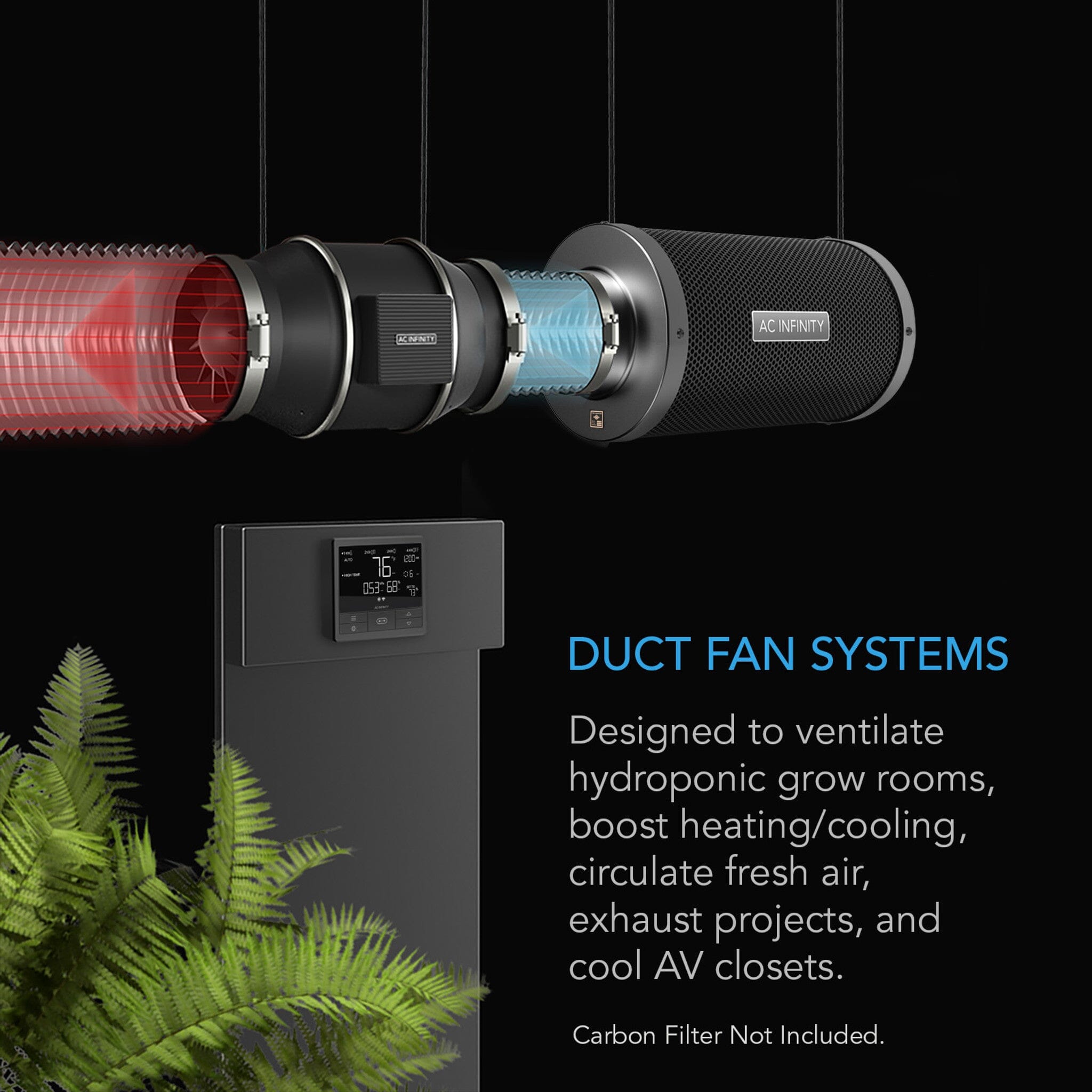
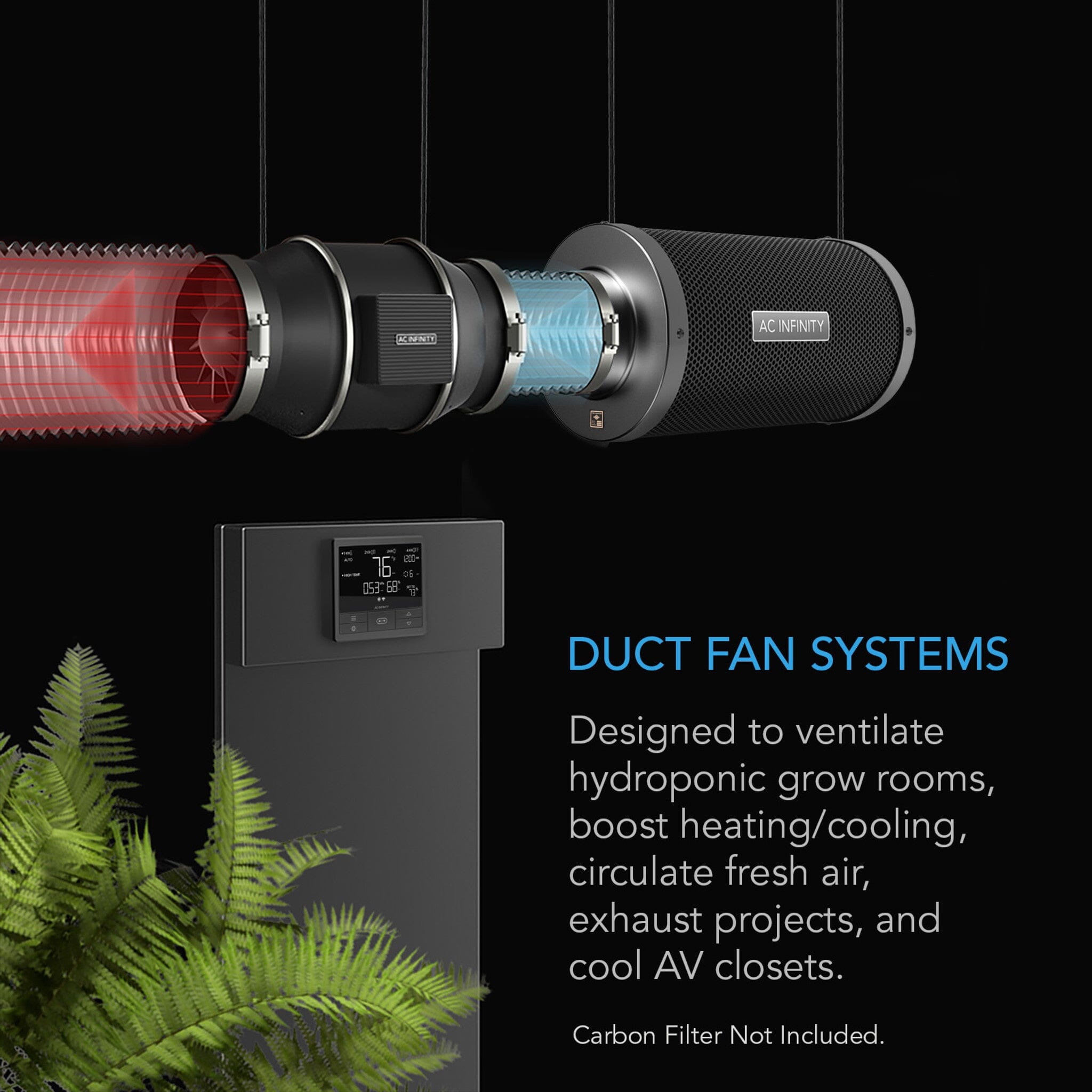
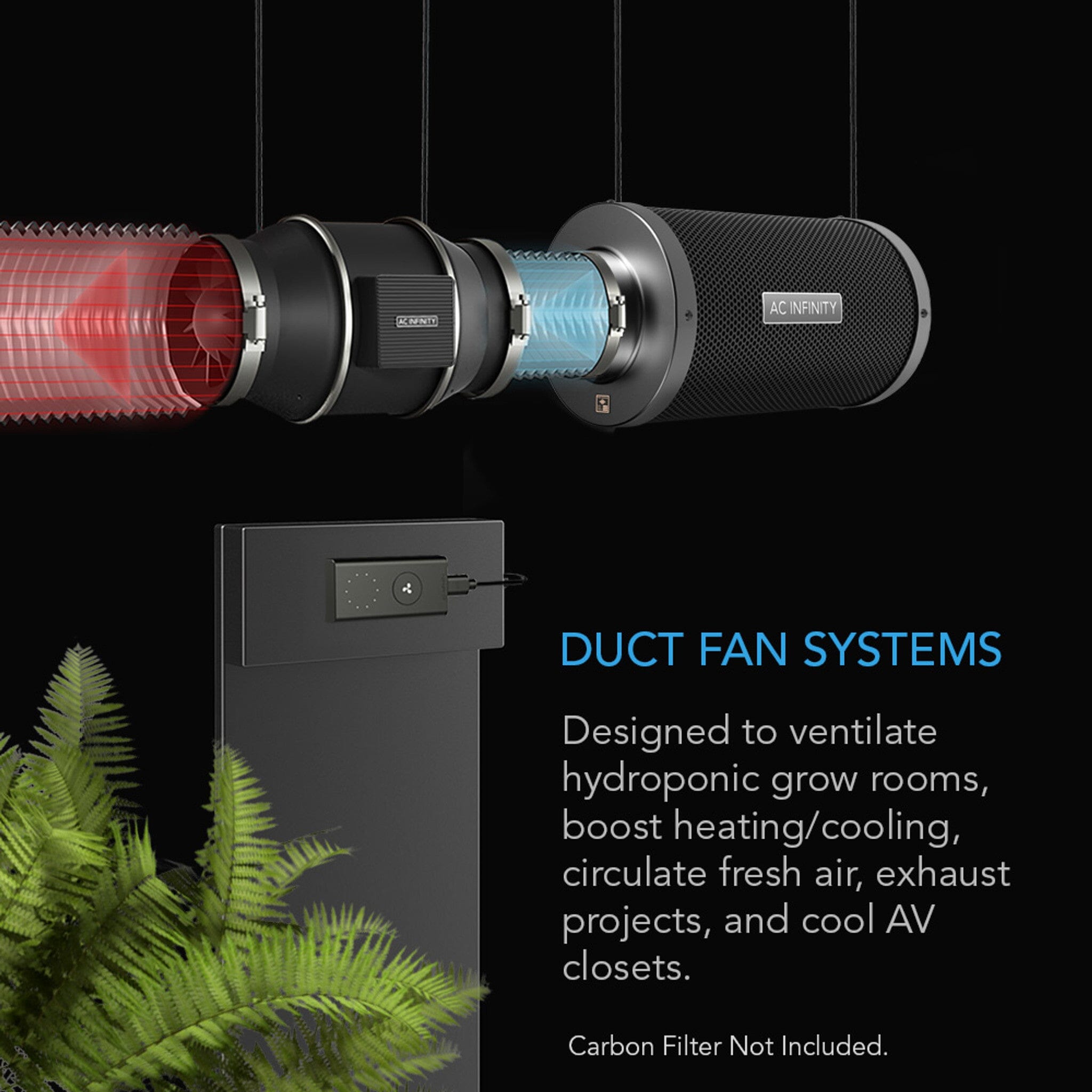
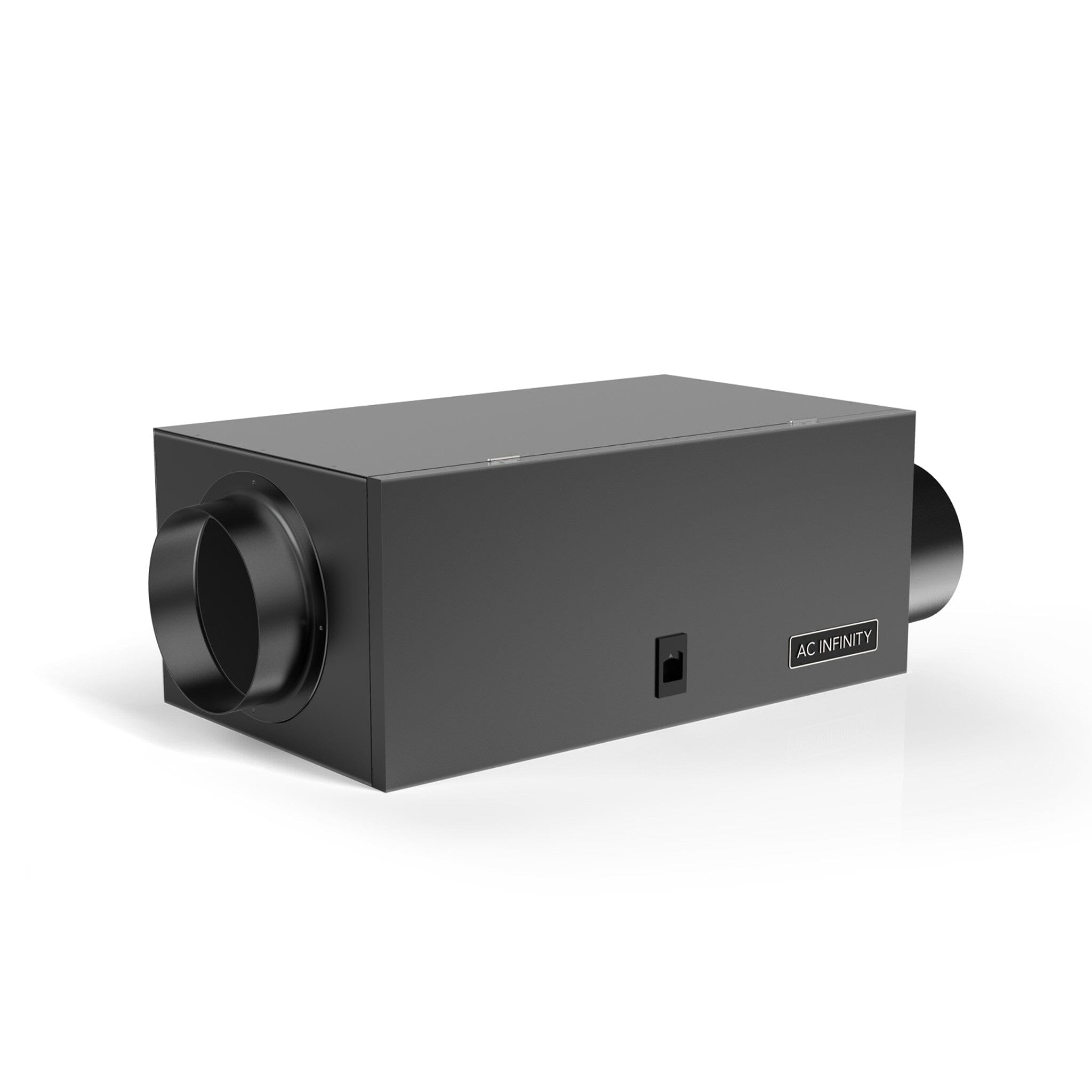
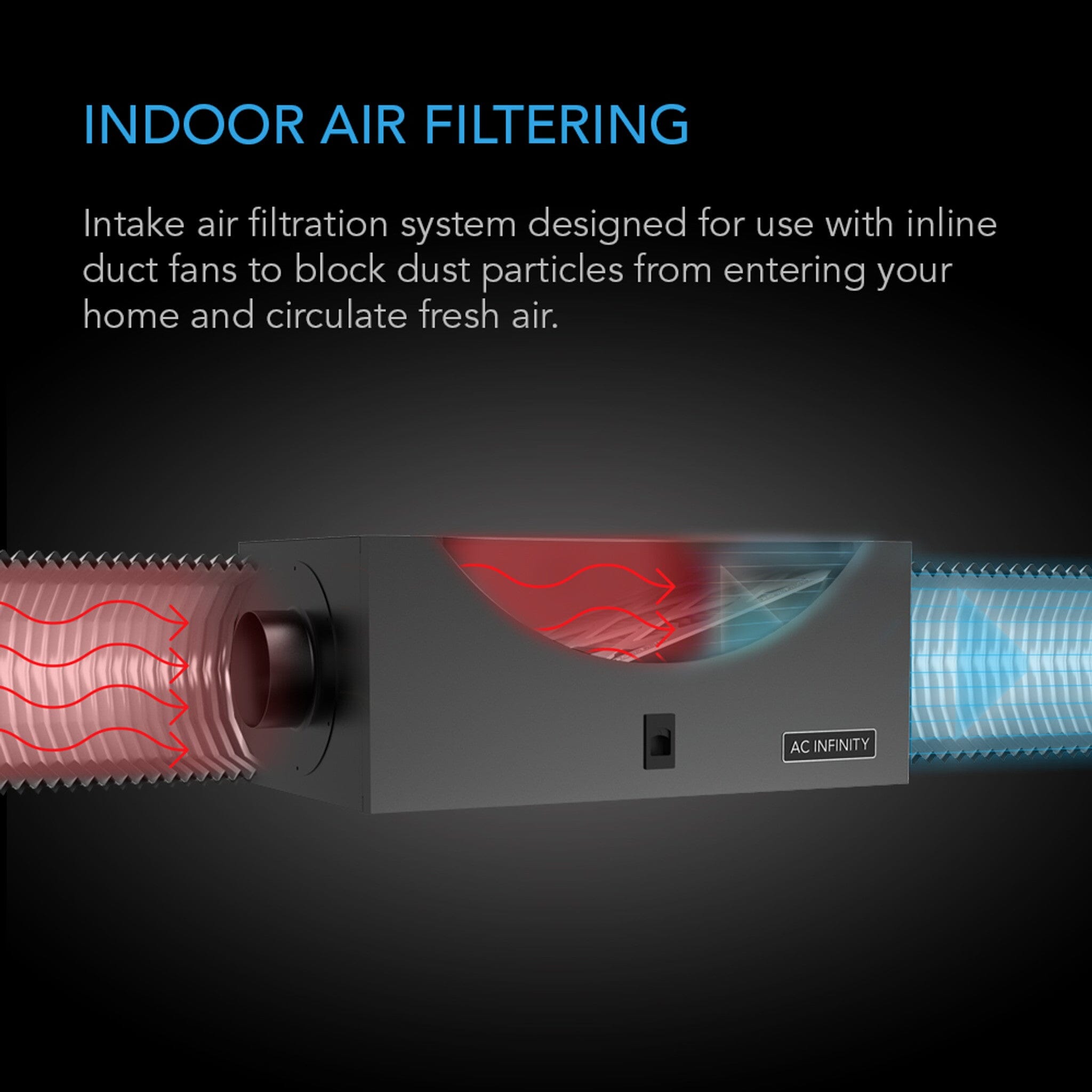
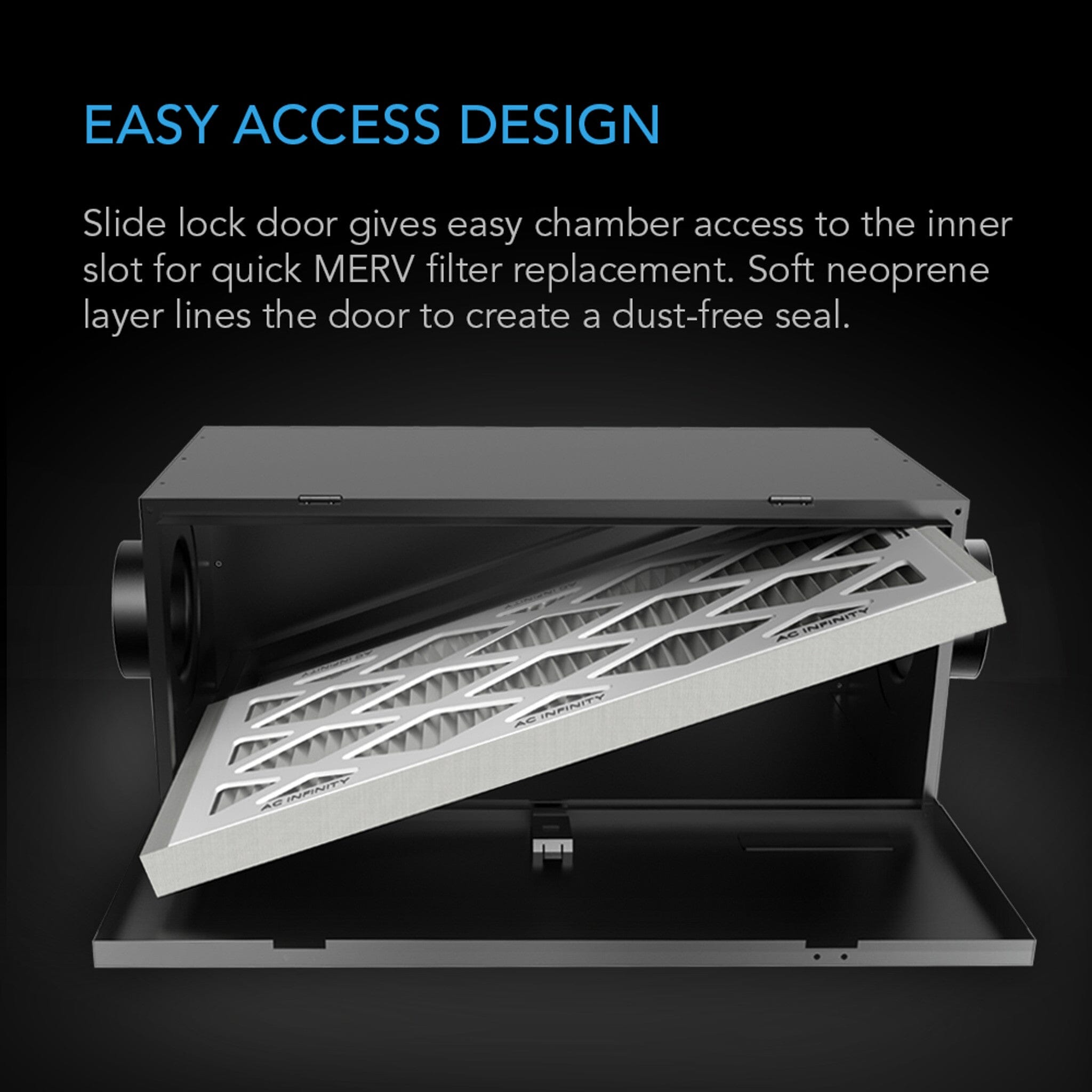
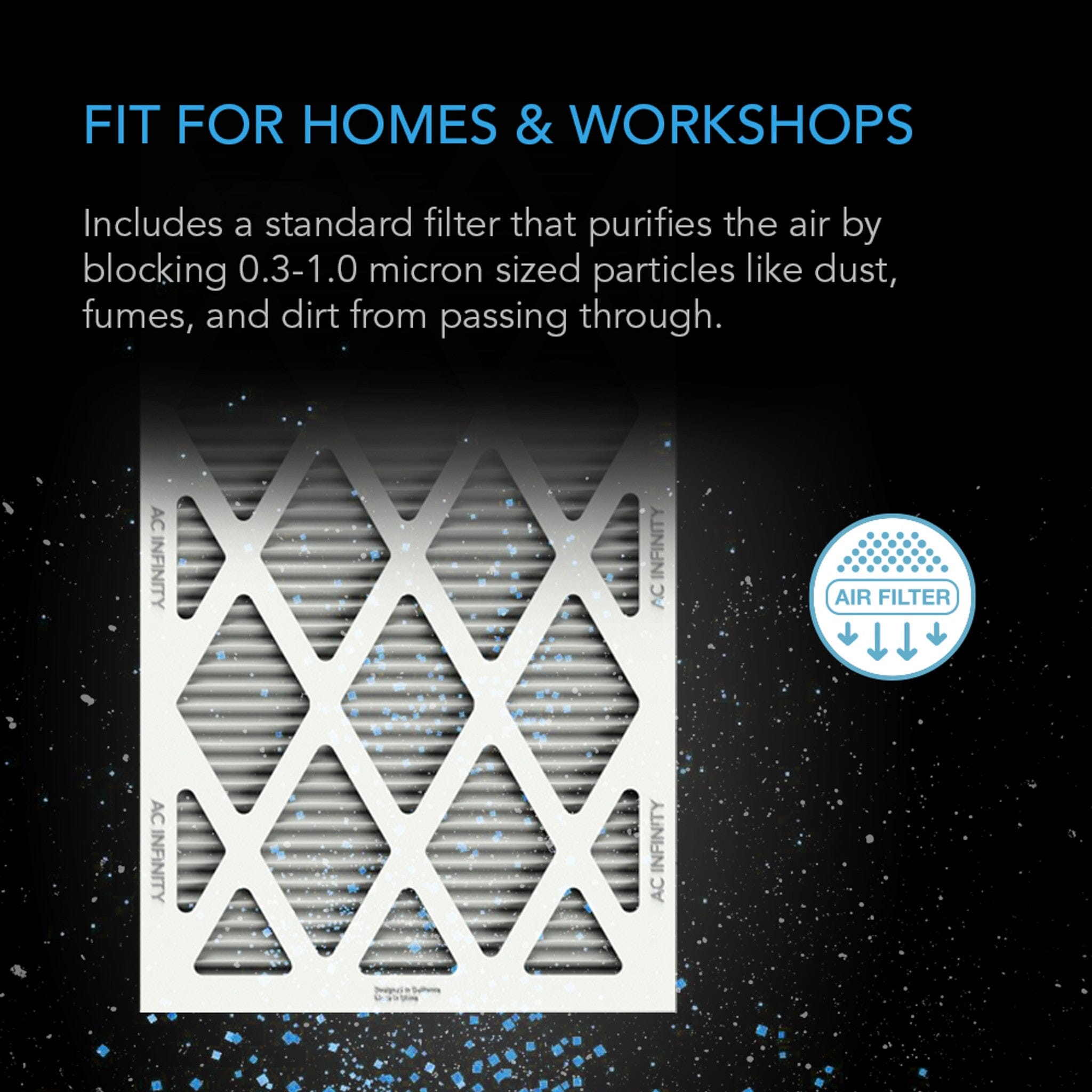
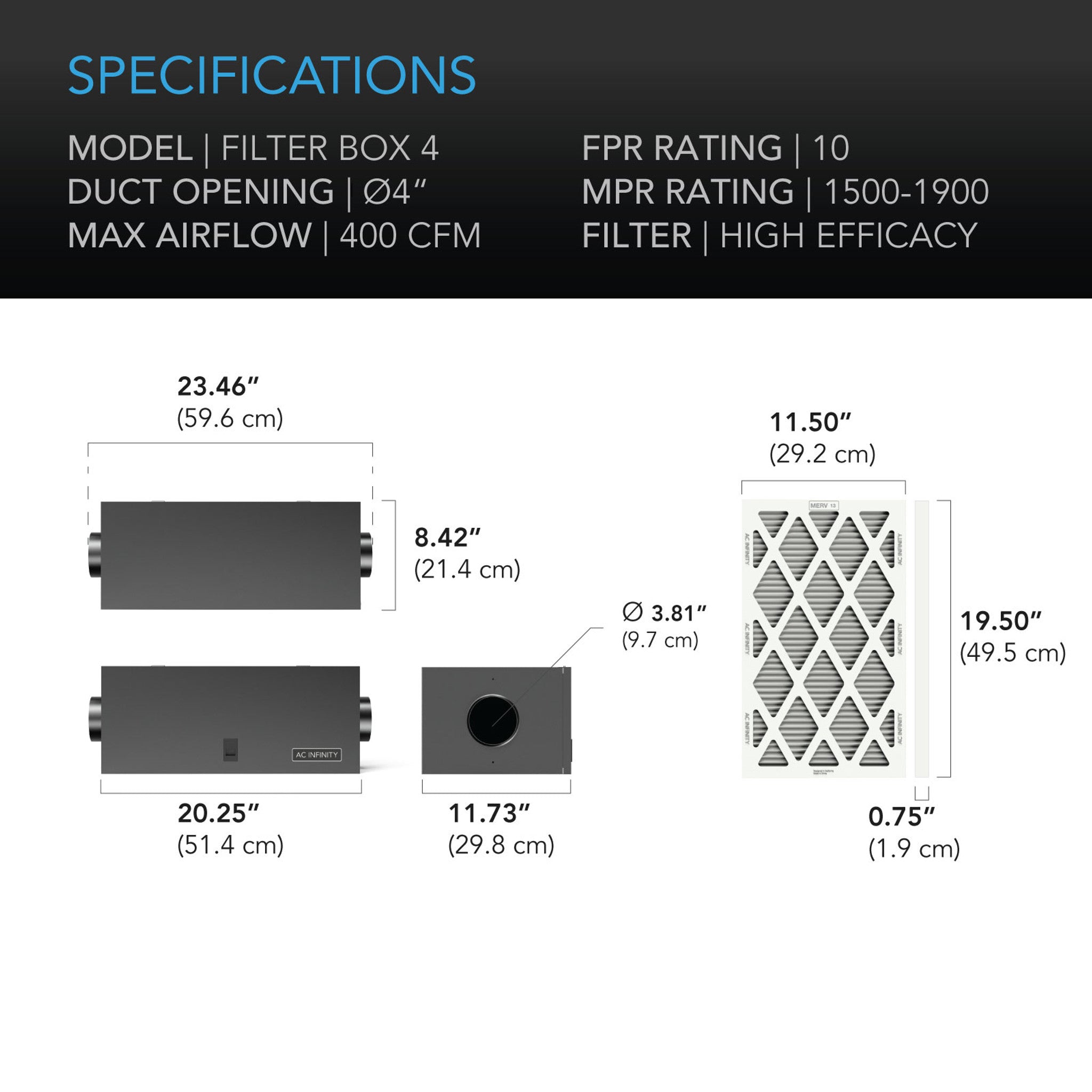
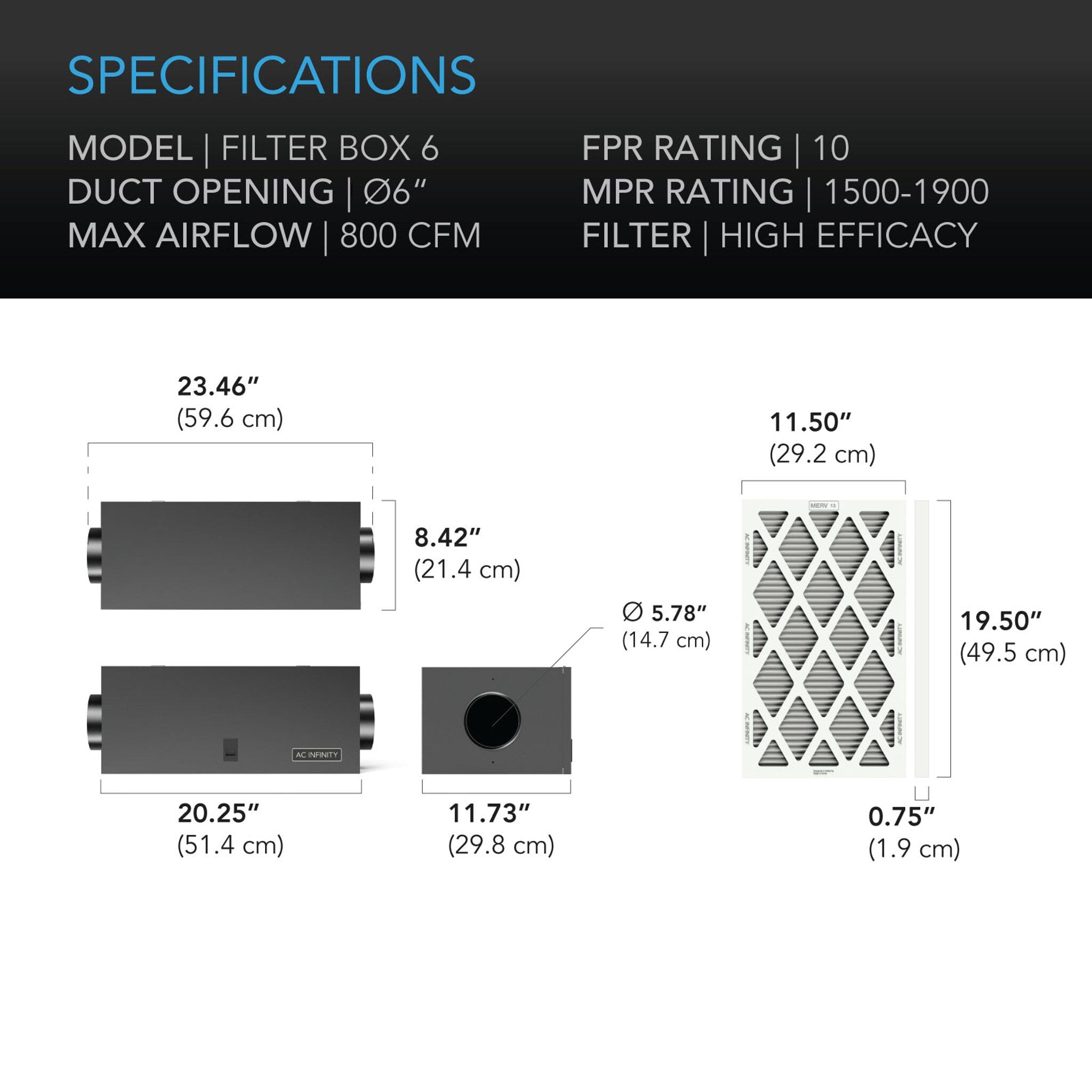
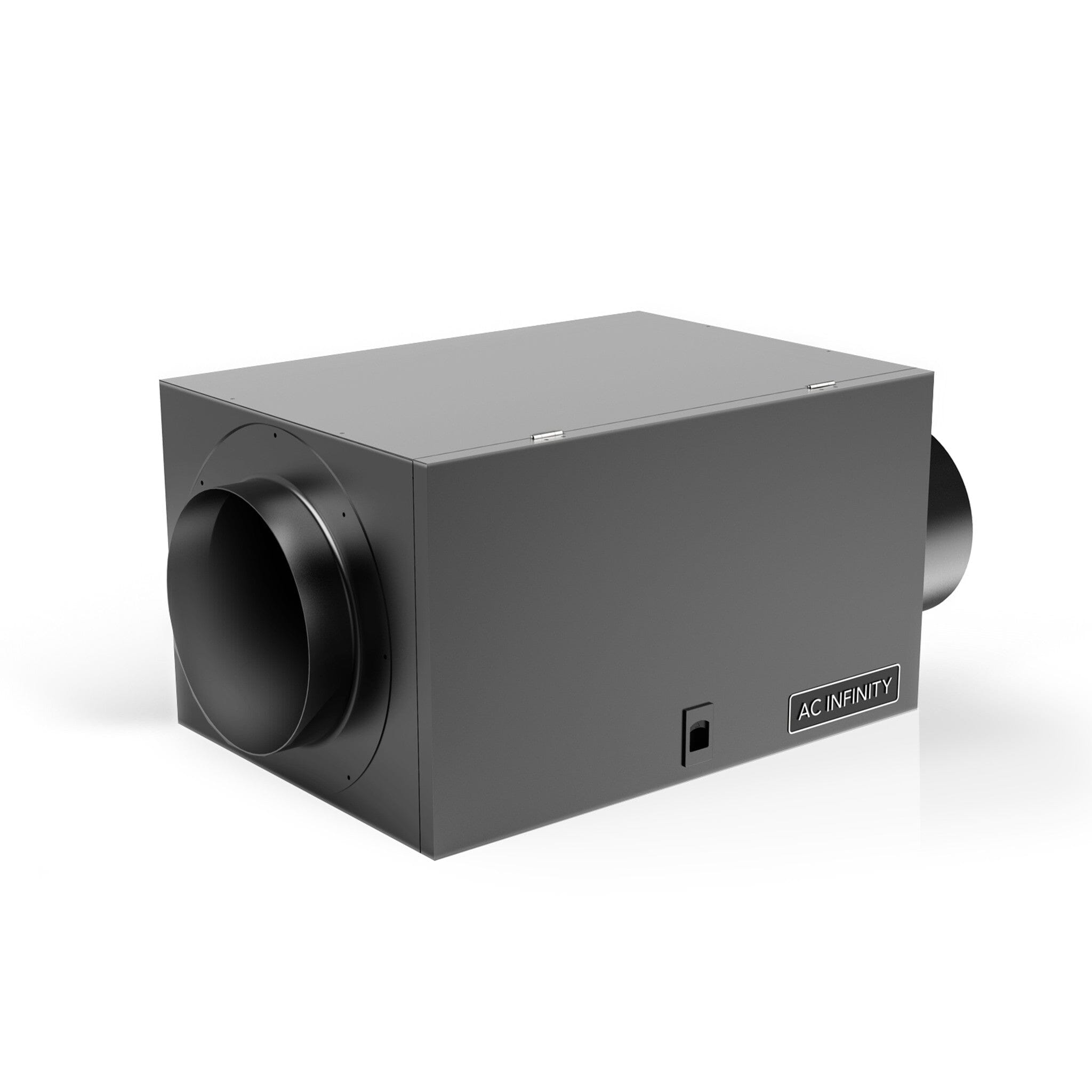
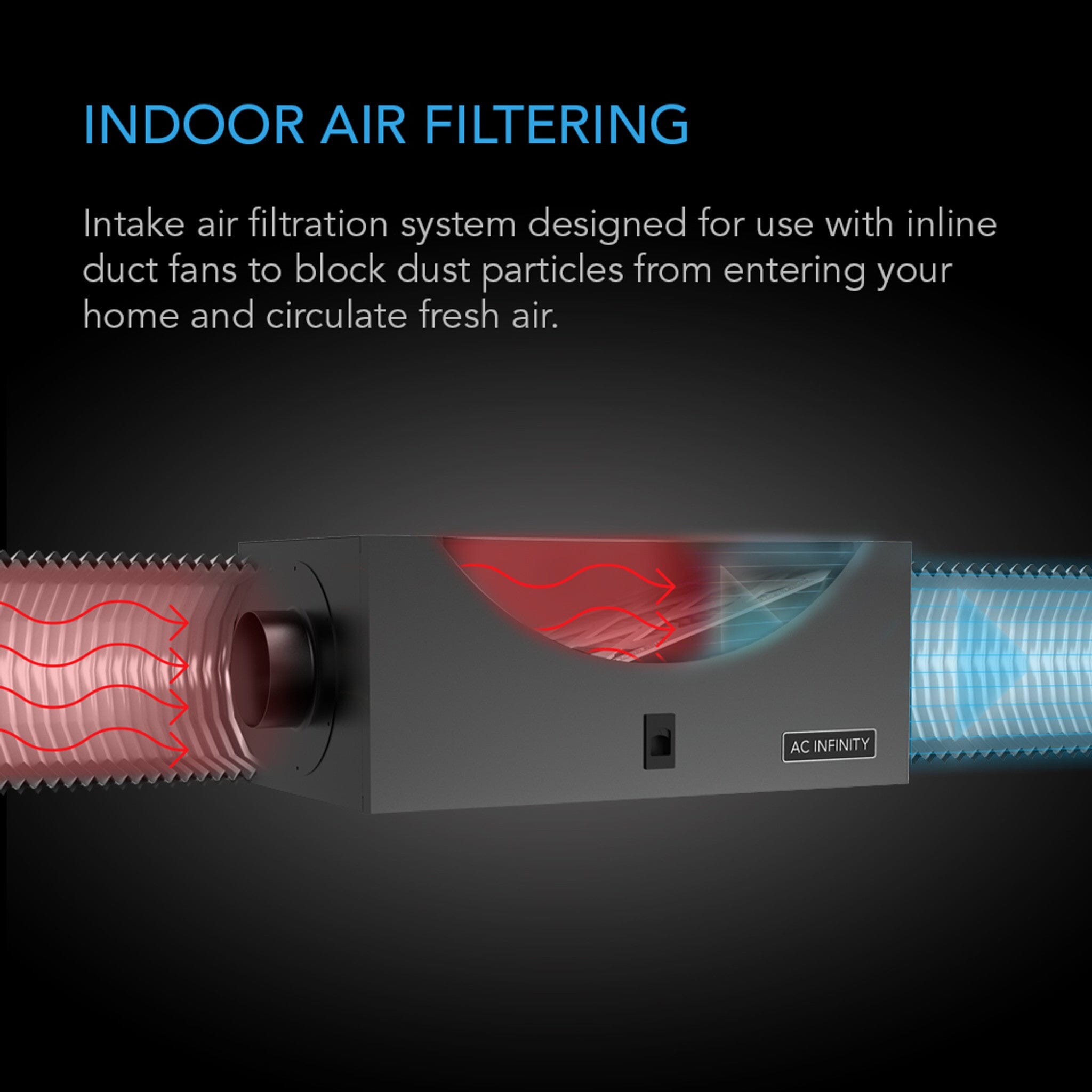
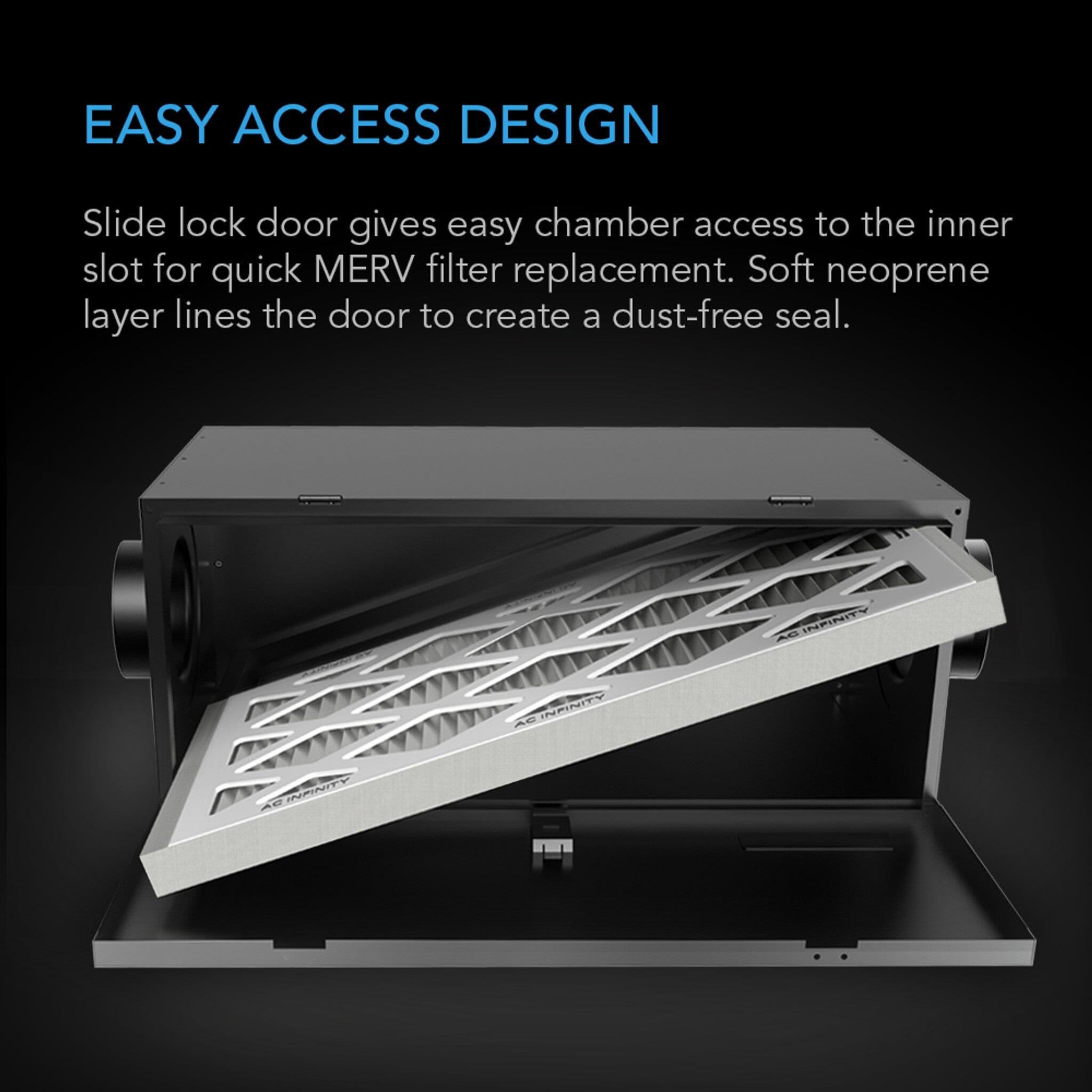
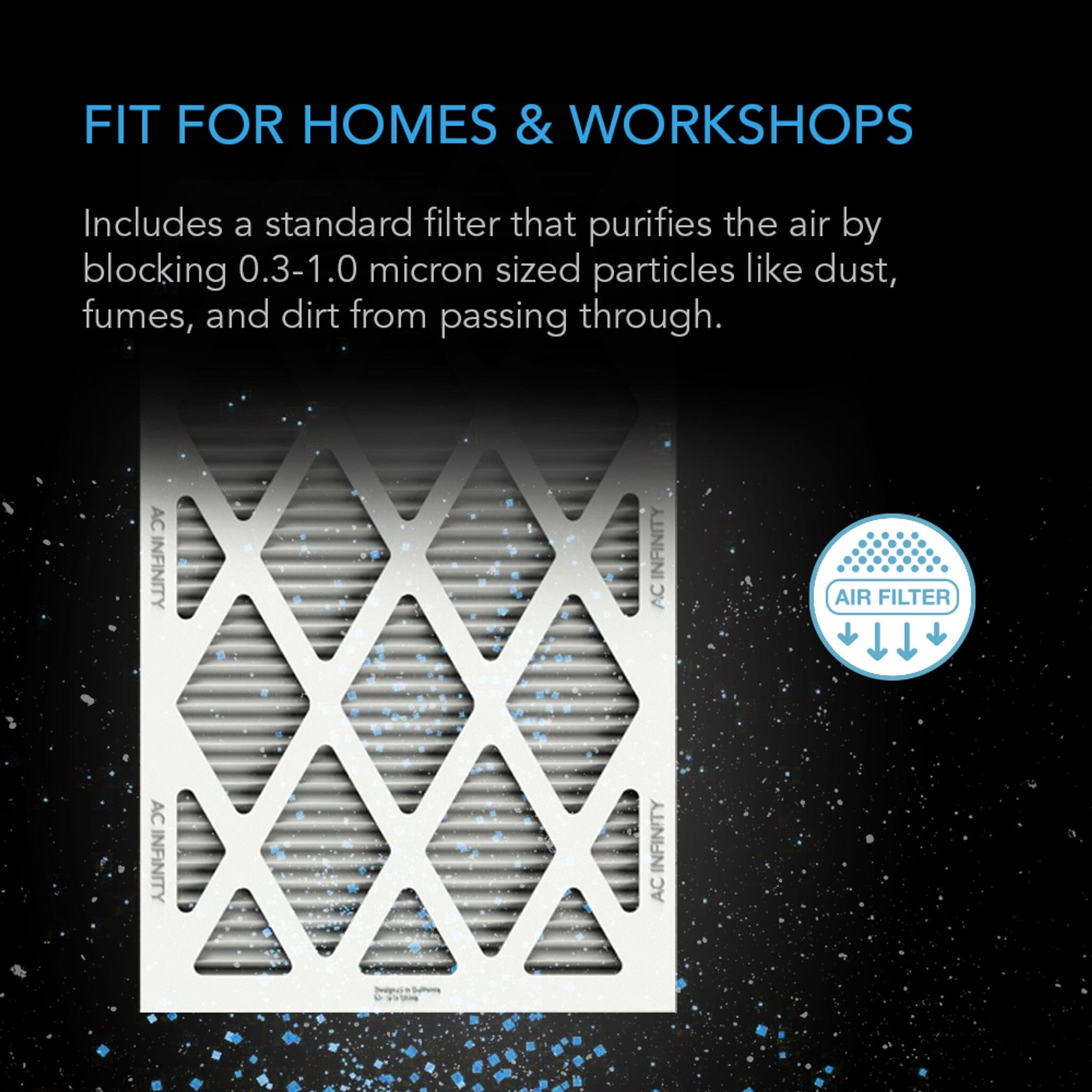
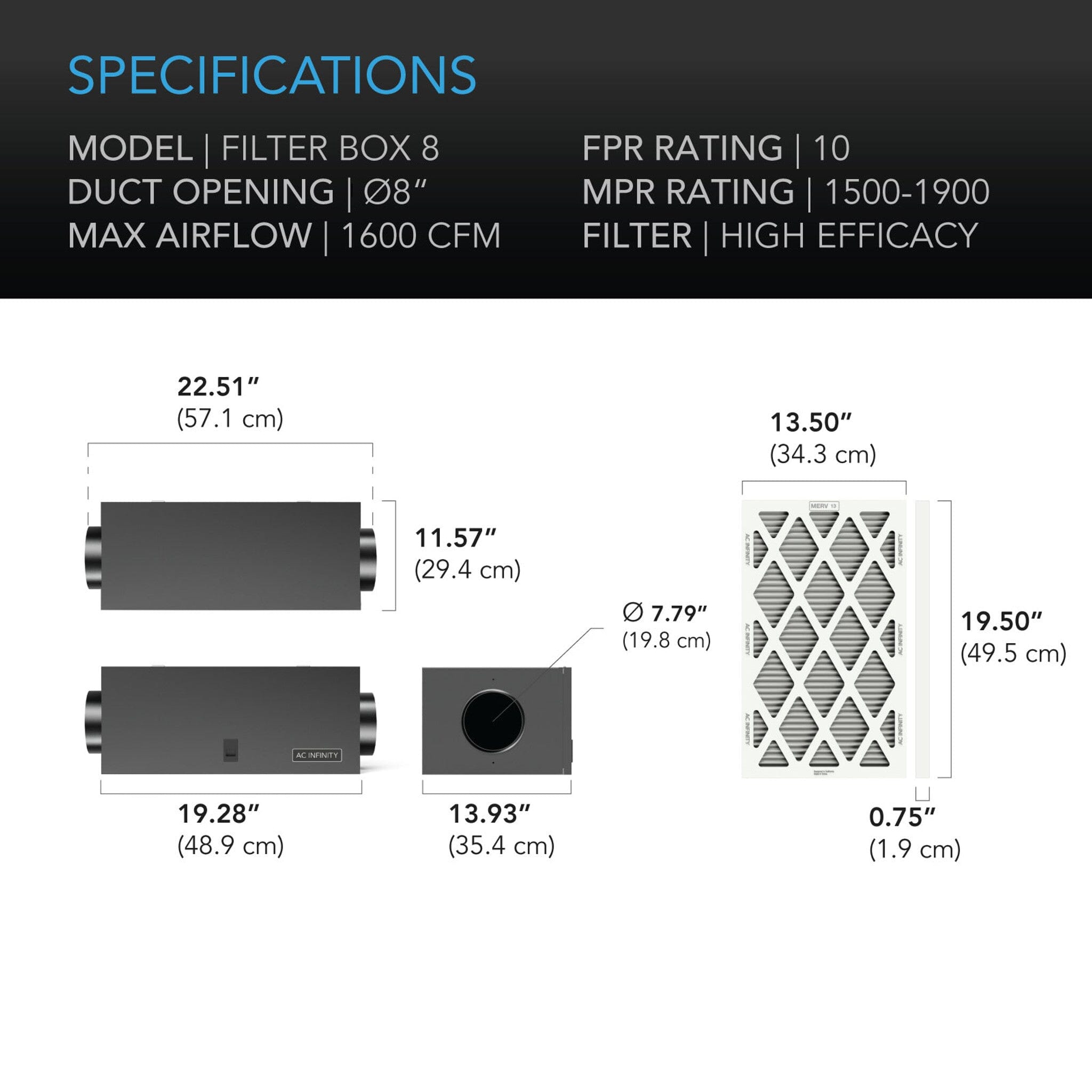
Once air is moving, what's moving with it matters. Filter boxes strip dust, pollen and odours from incoming air, while dampers, reducers and grilles let you route and size ducting correctly so airflow doesn't leak out or back up where you don't want it.
Shop Air Filter Boxes →
Shop Dampers & Grilles →
Why VIND and AC Infinity
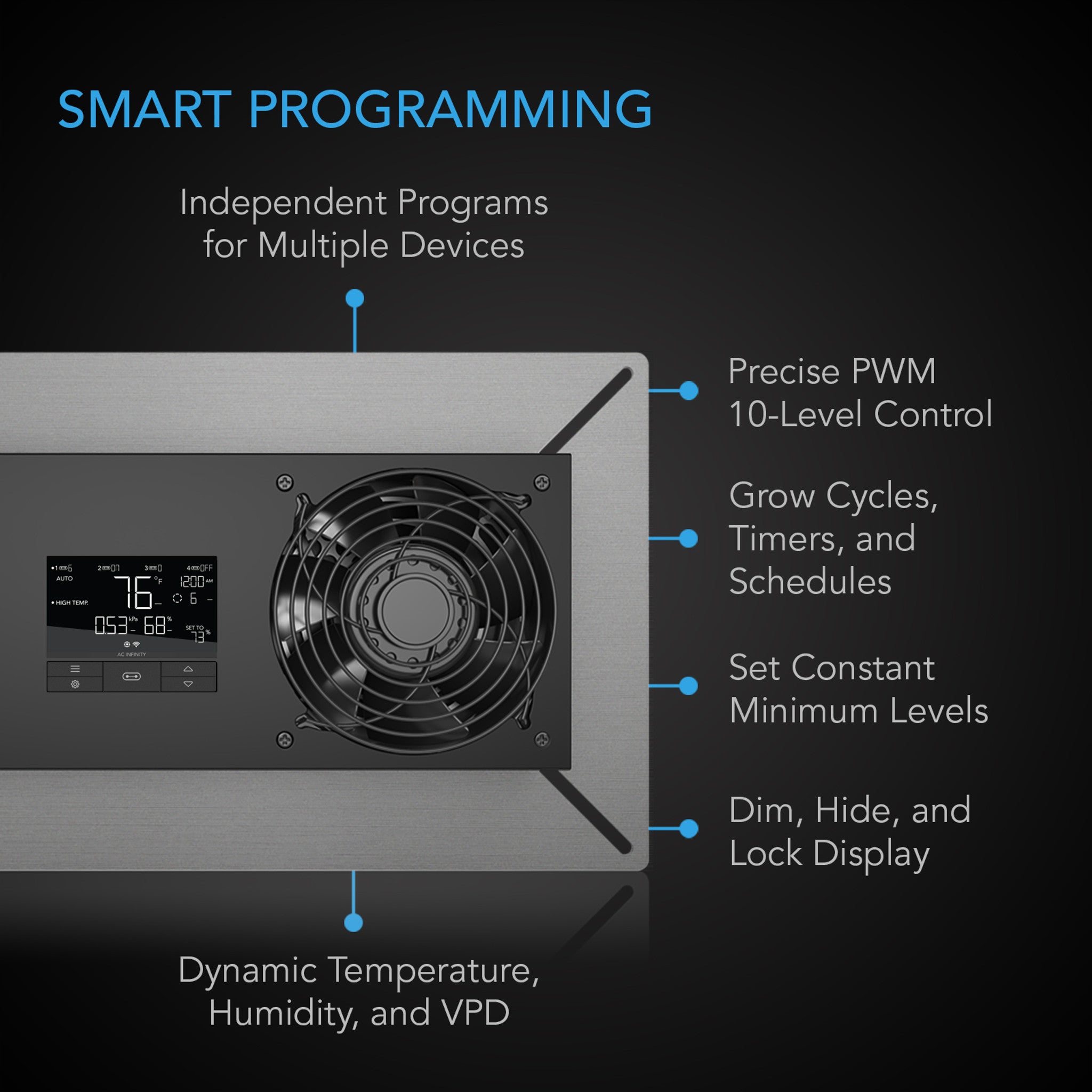
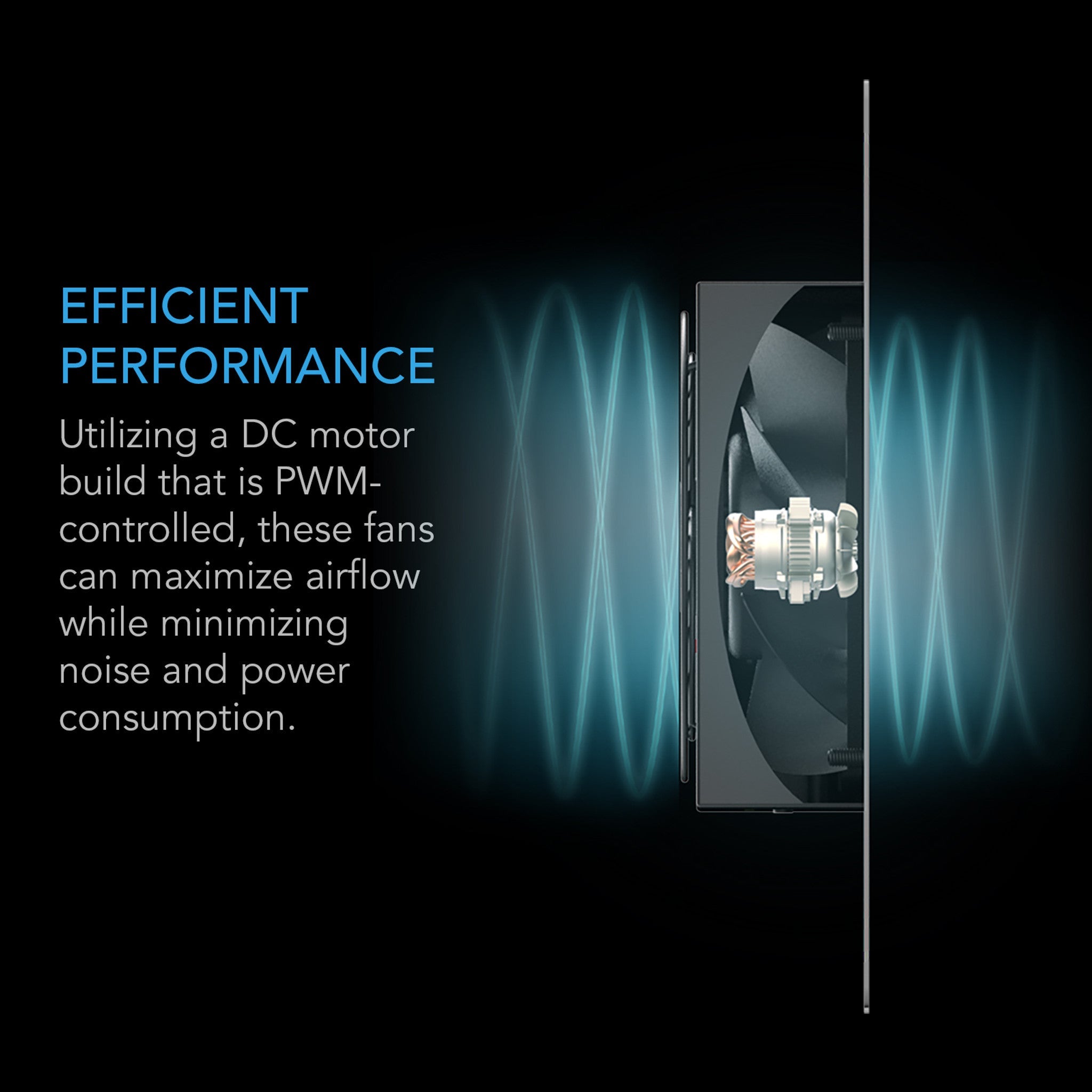
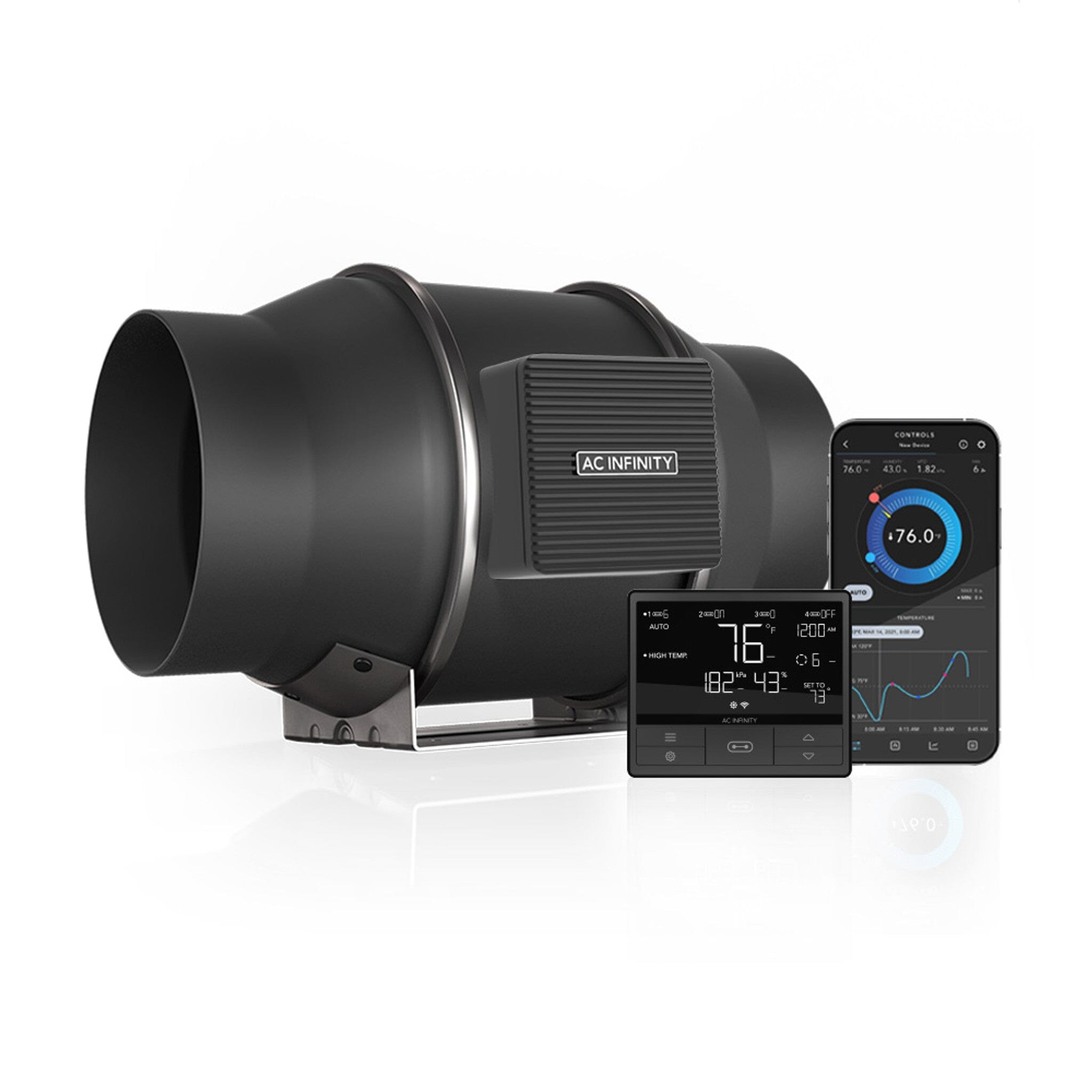
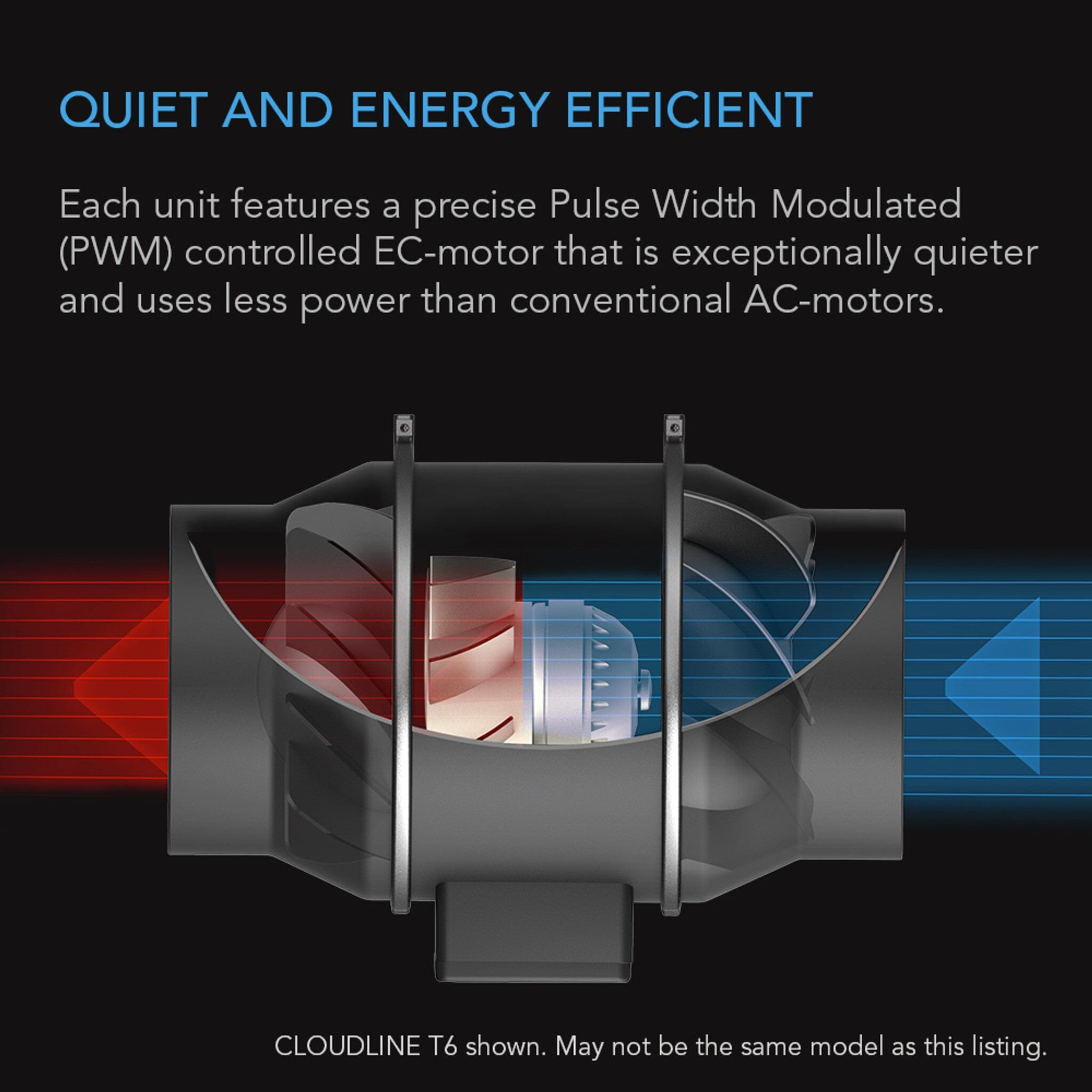
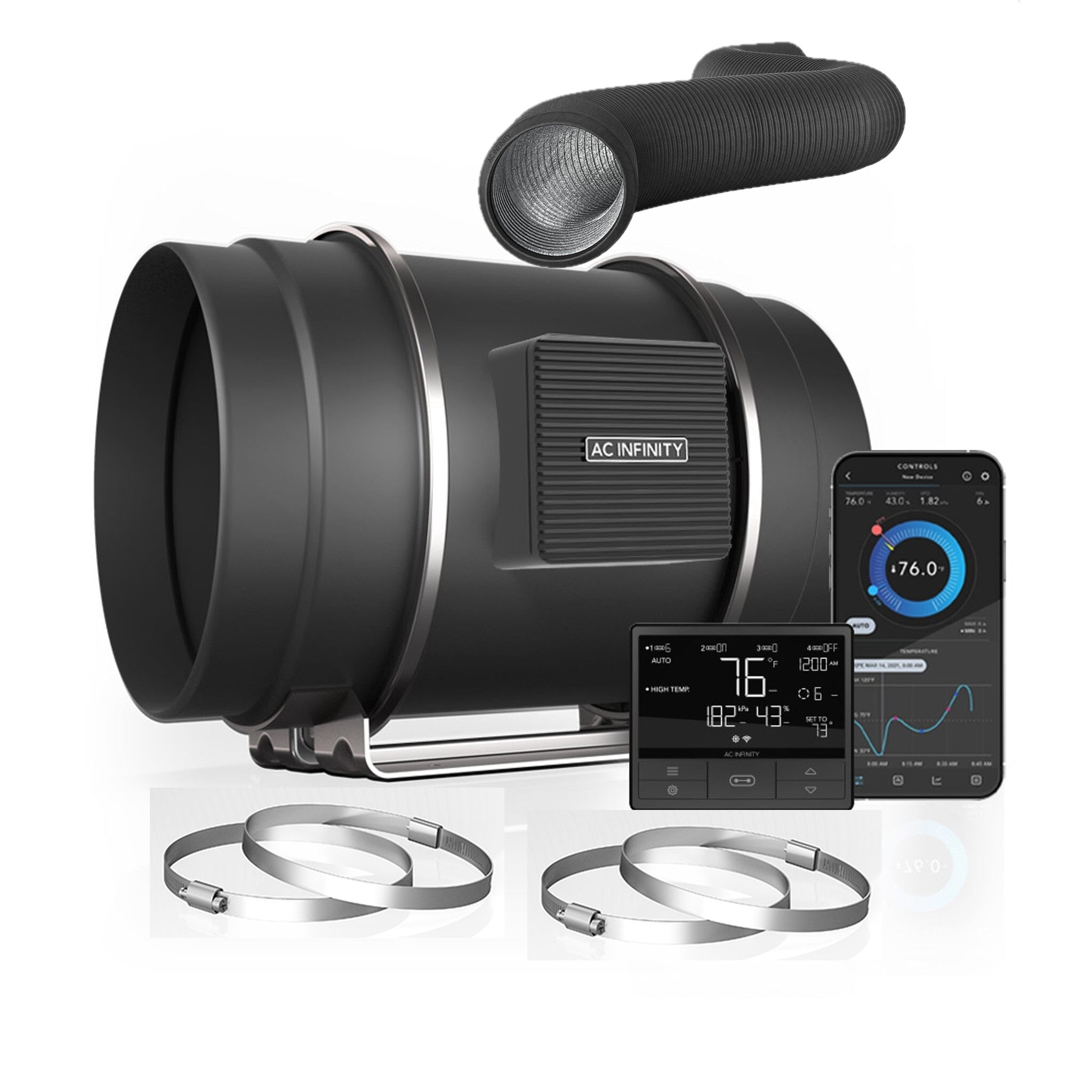
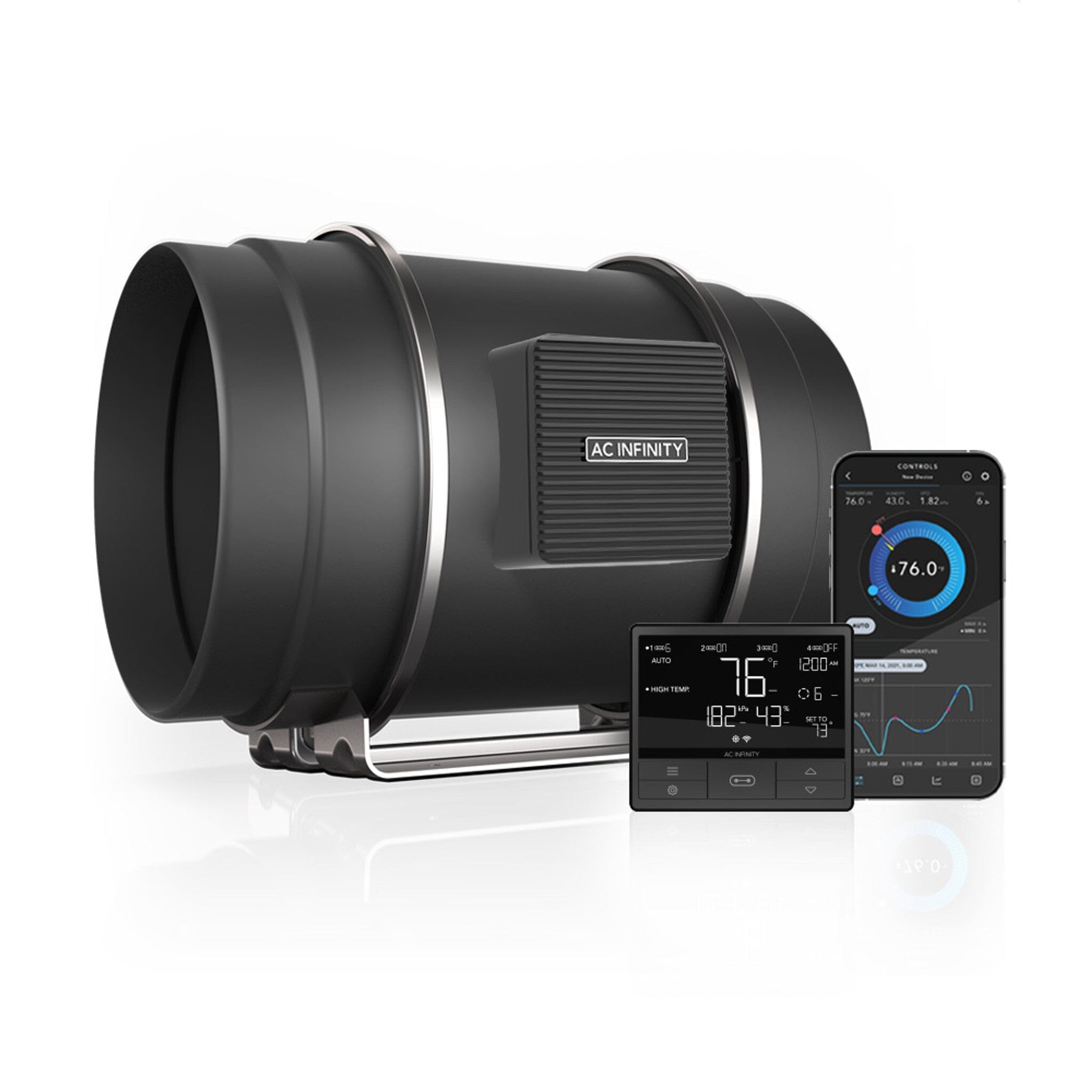
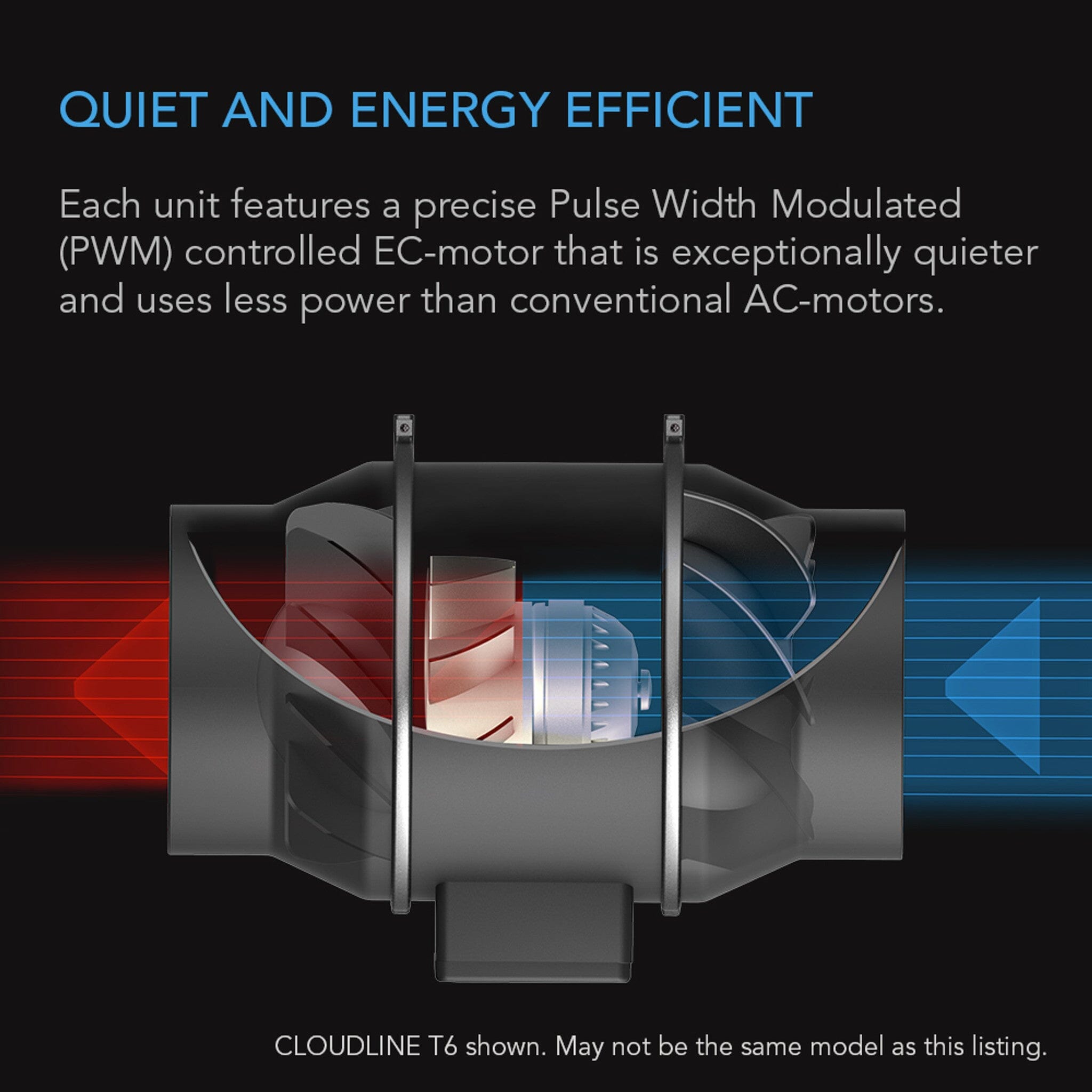
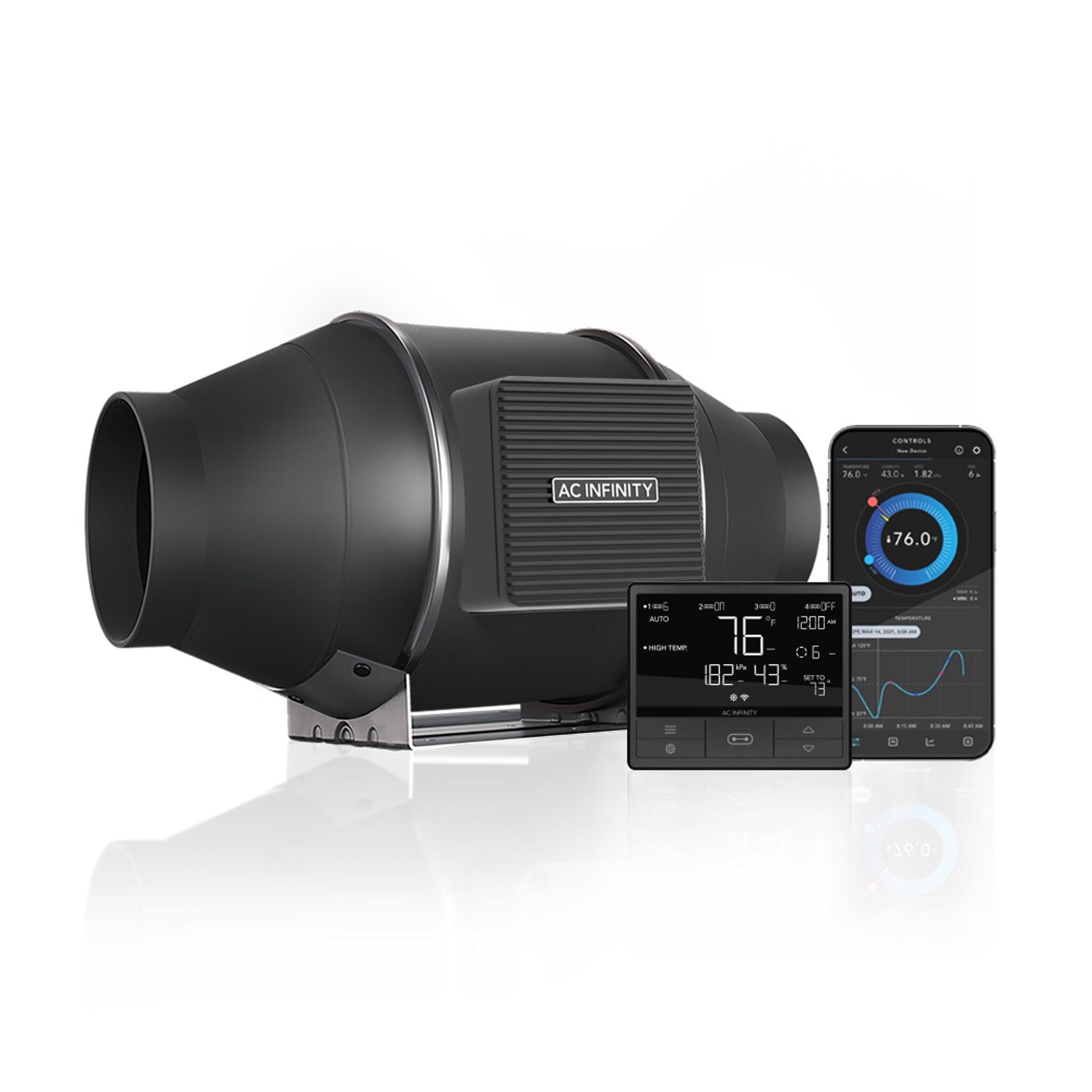
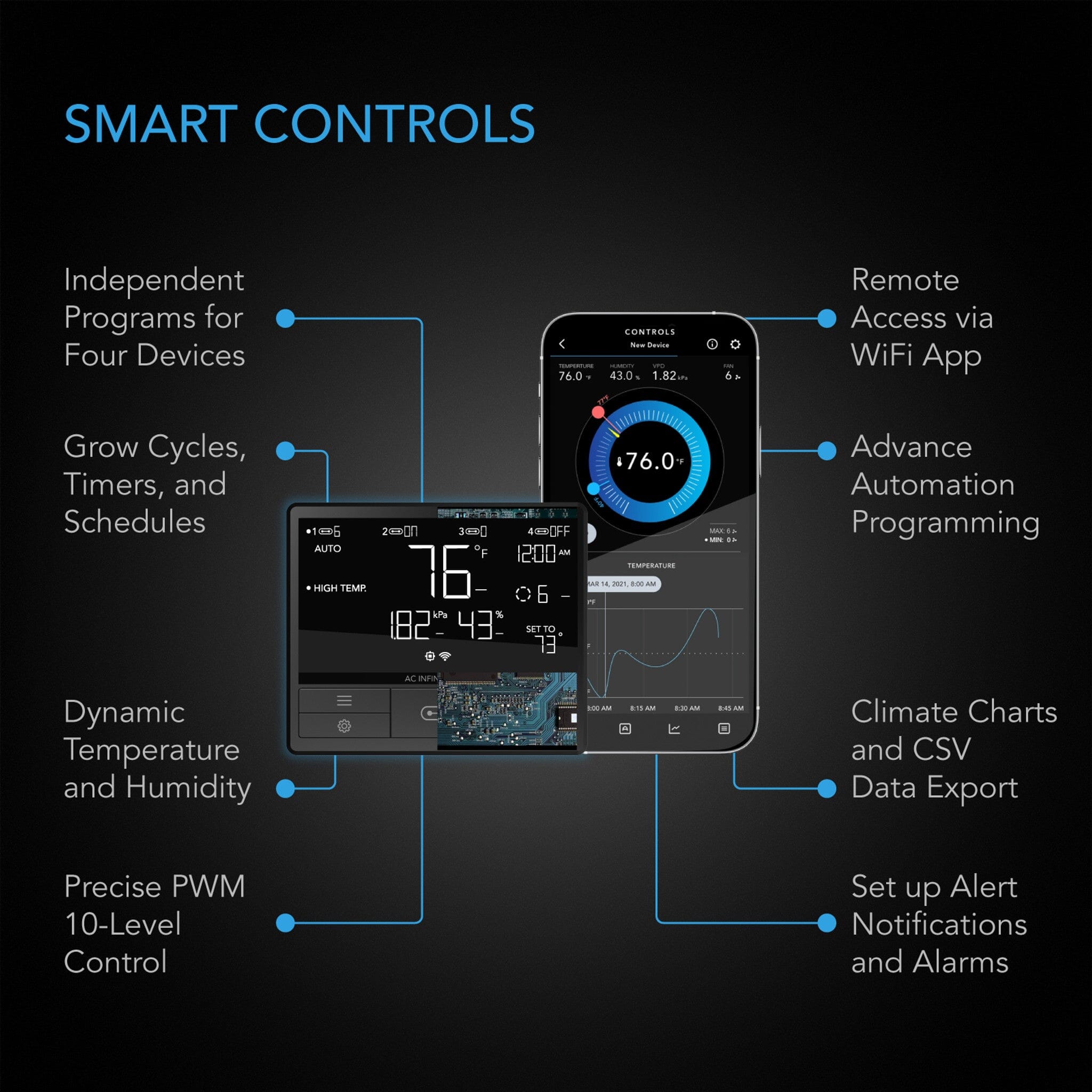
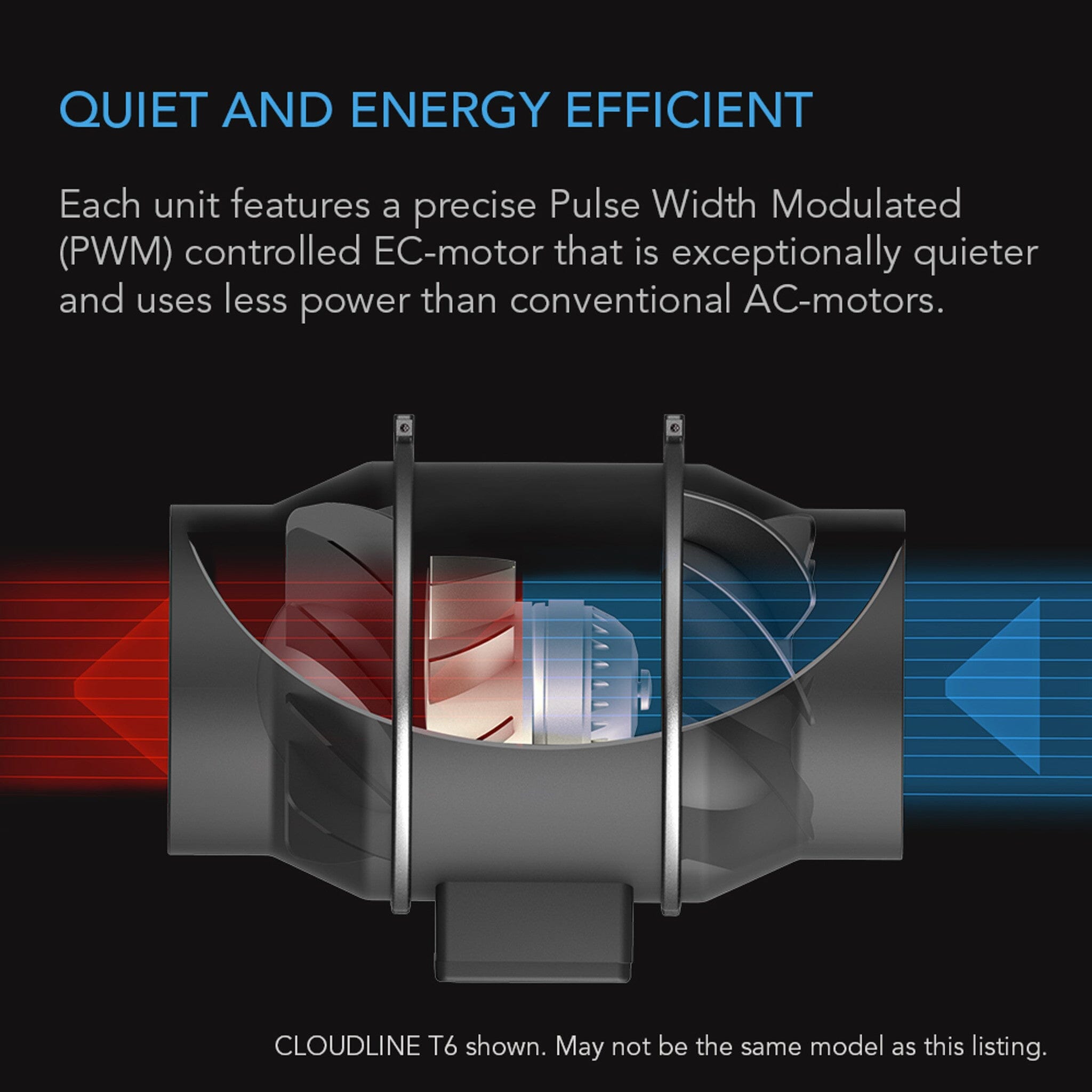
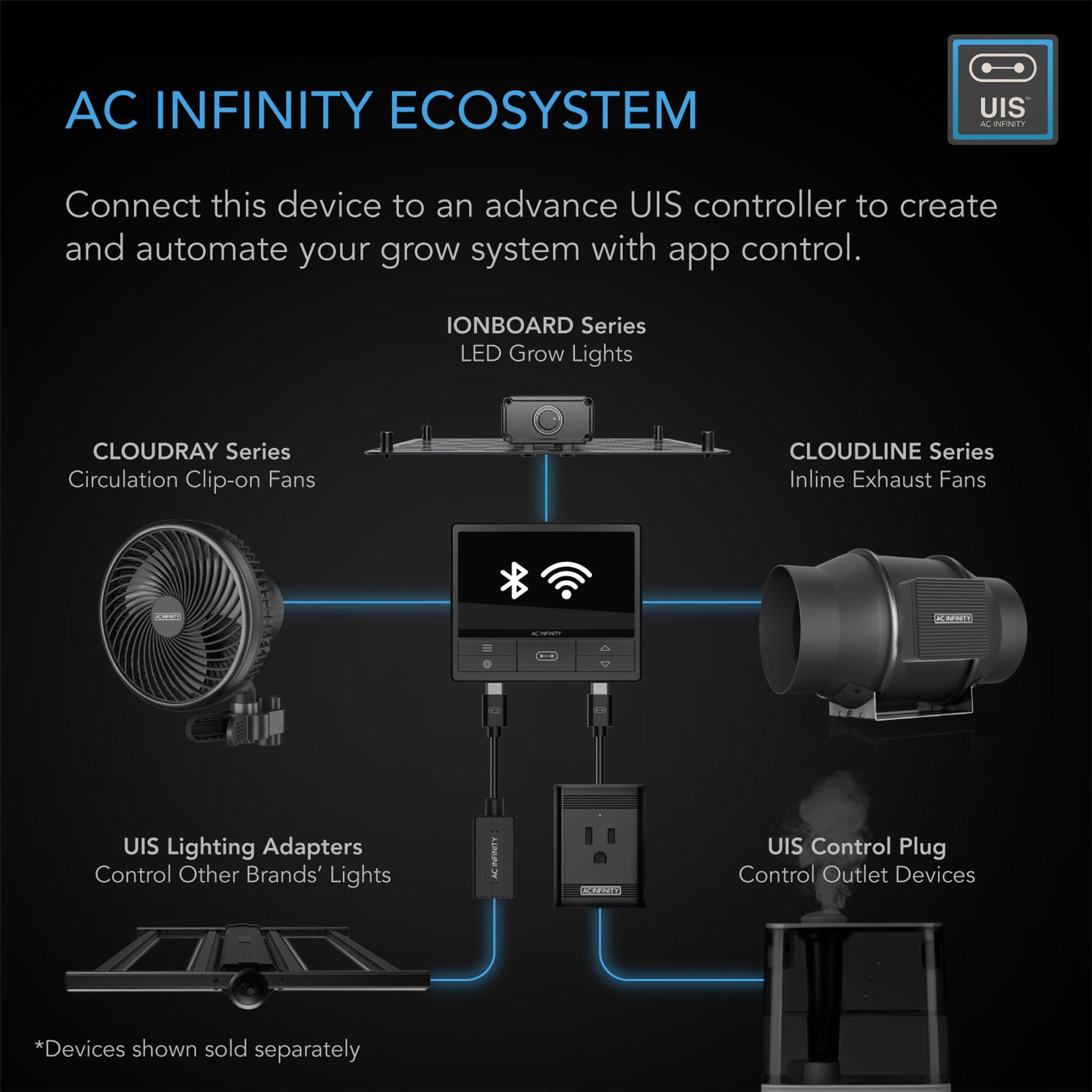
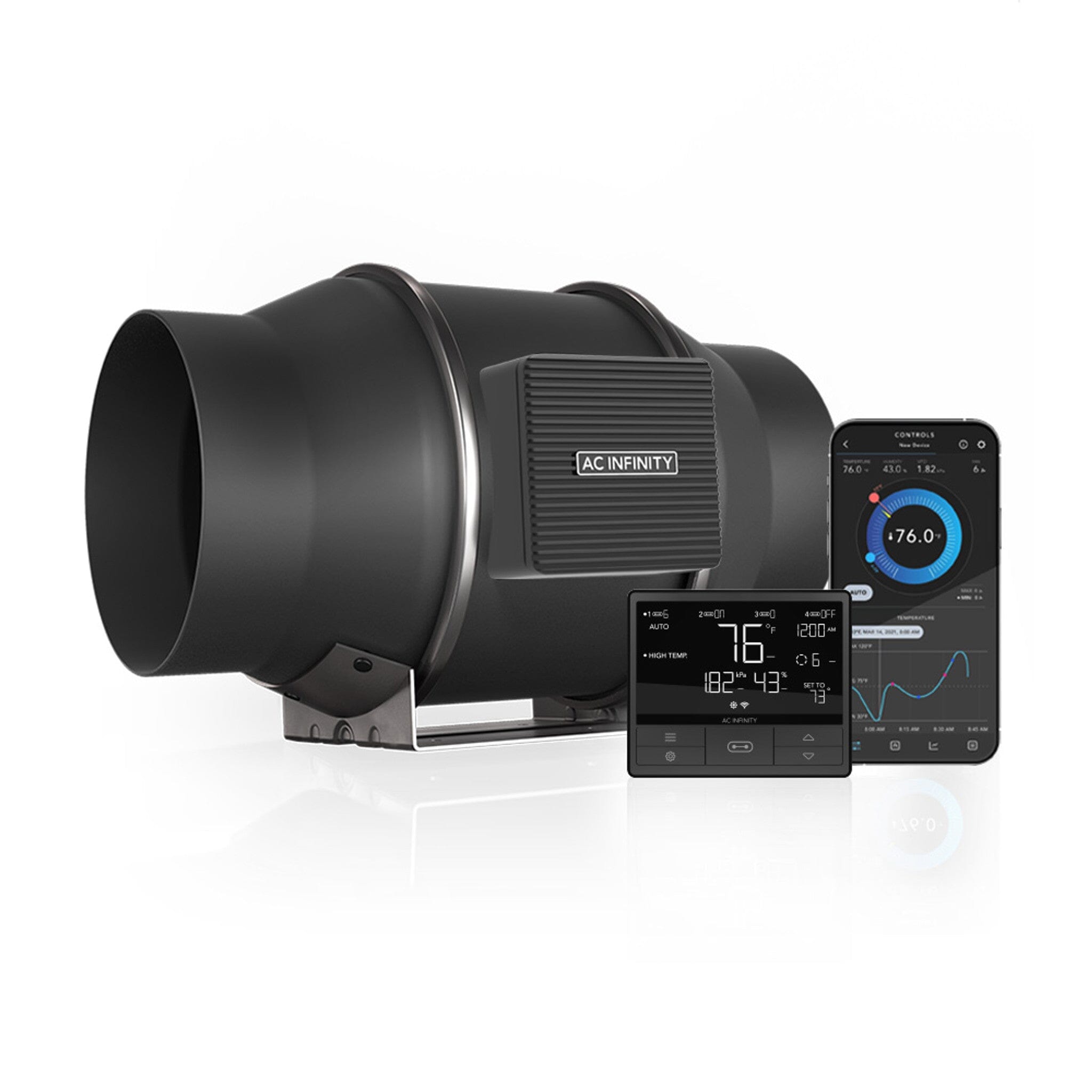
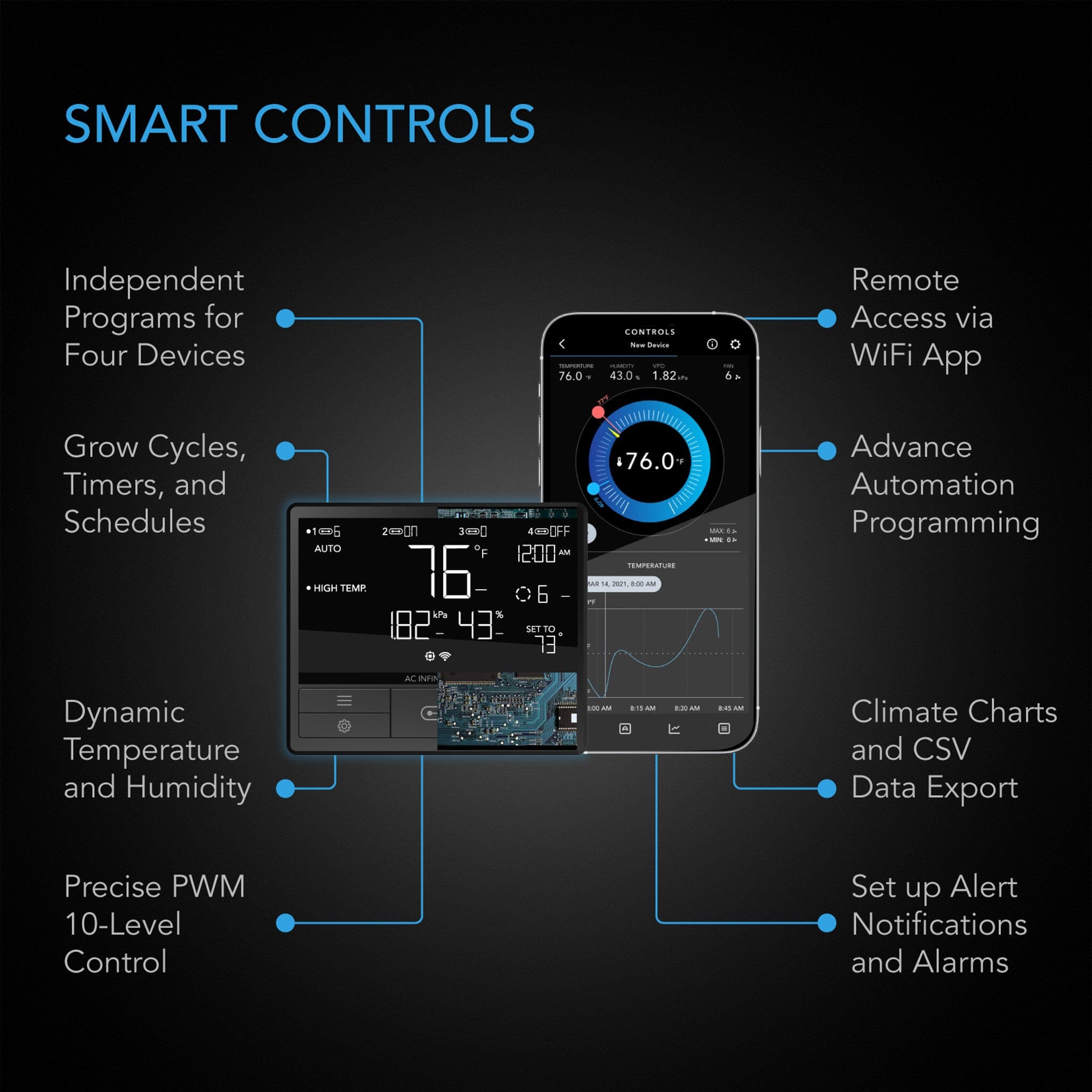
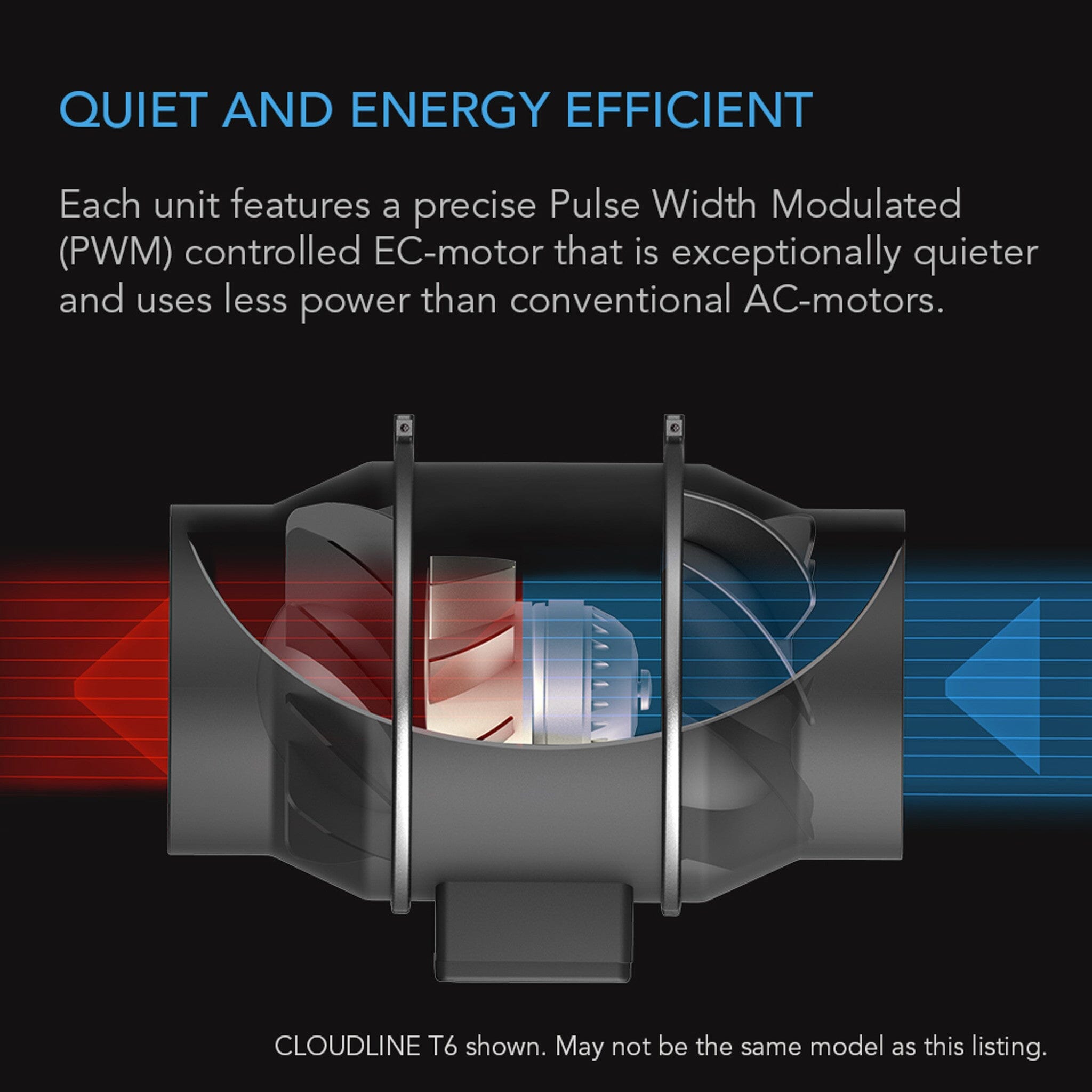
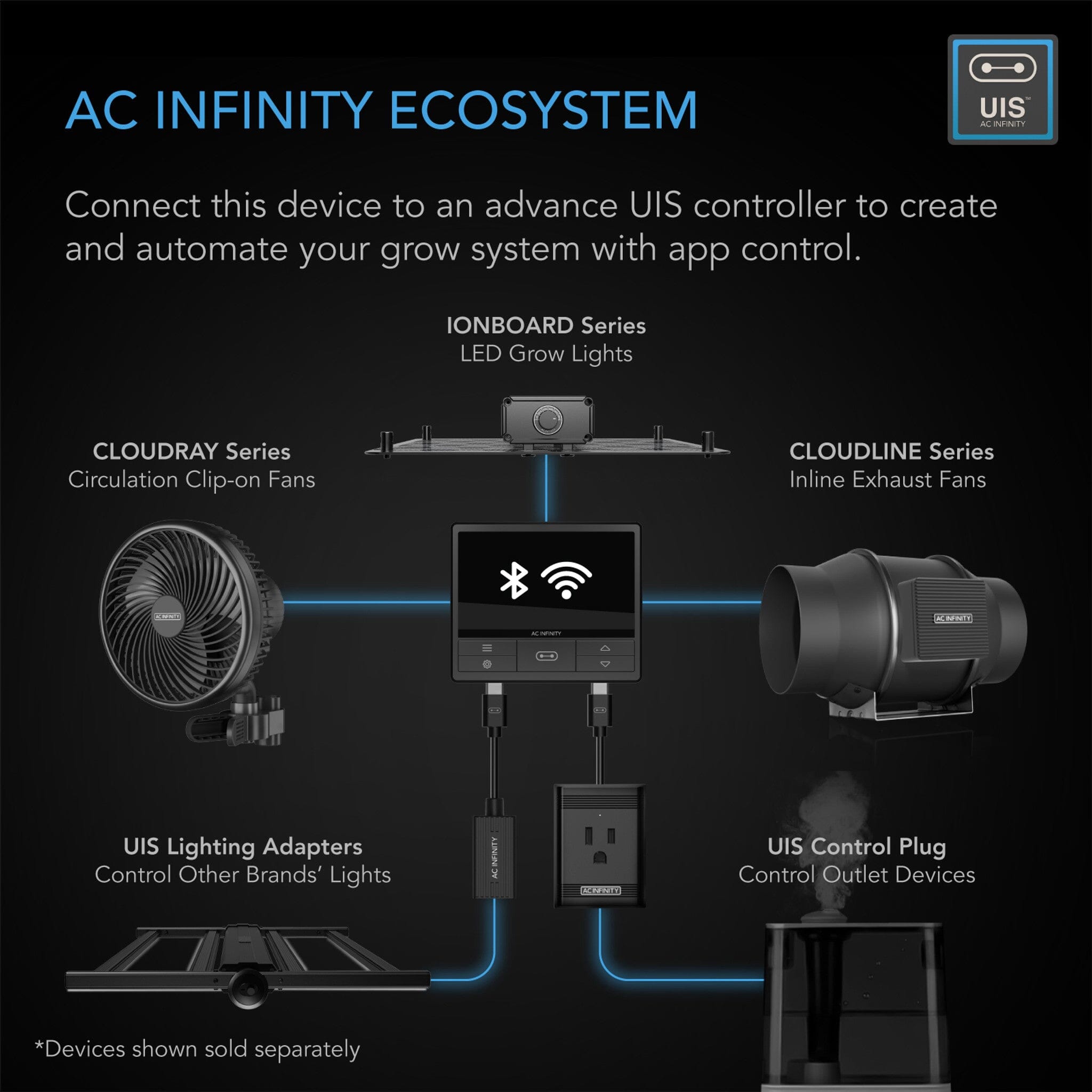
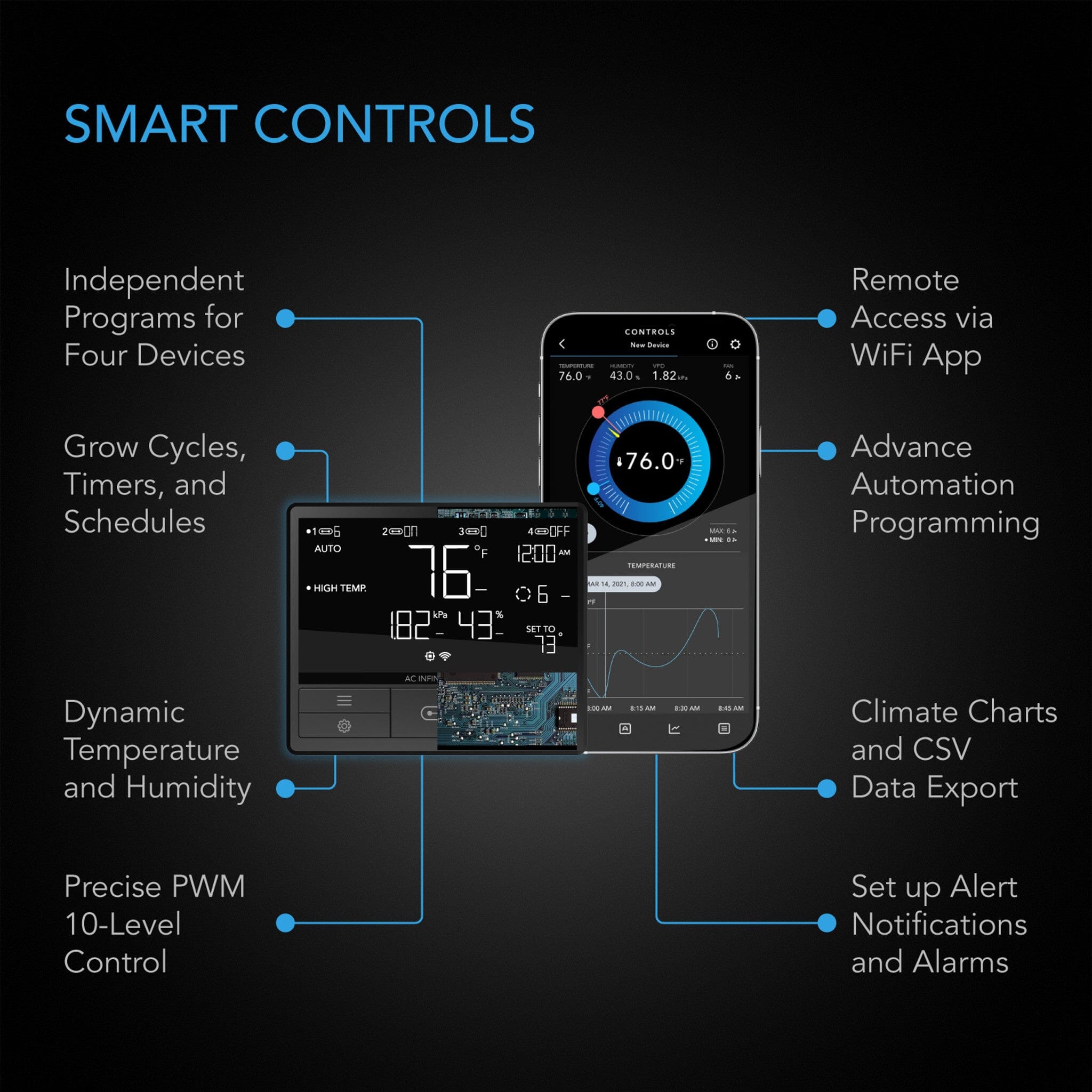
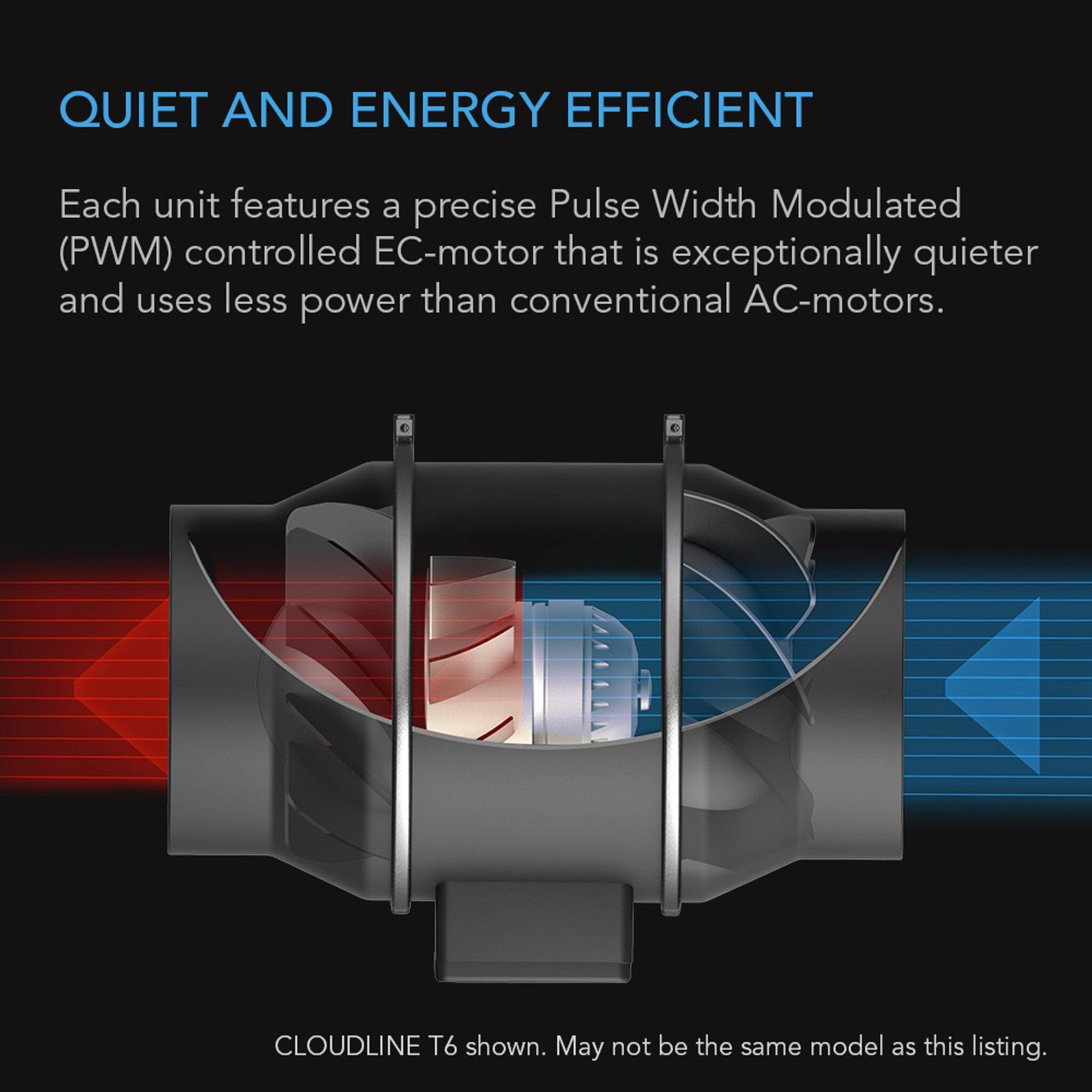
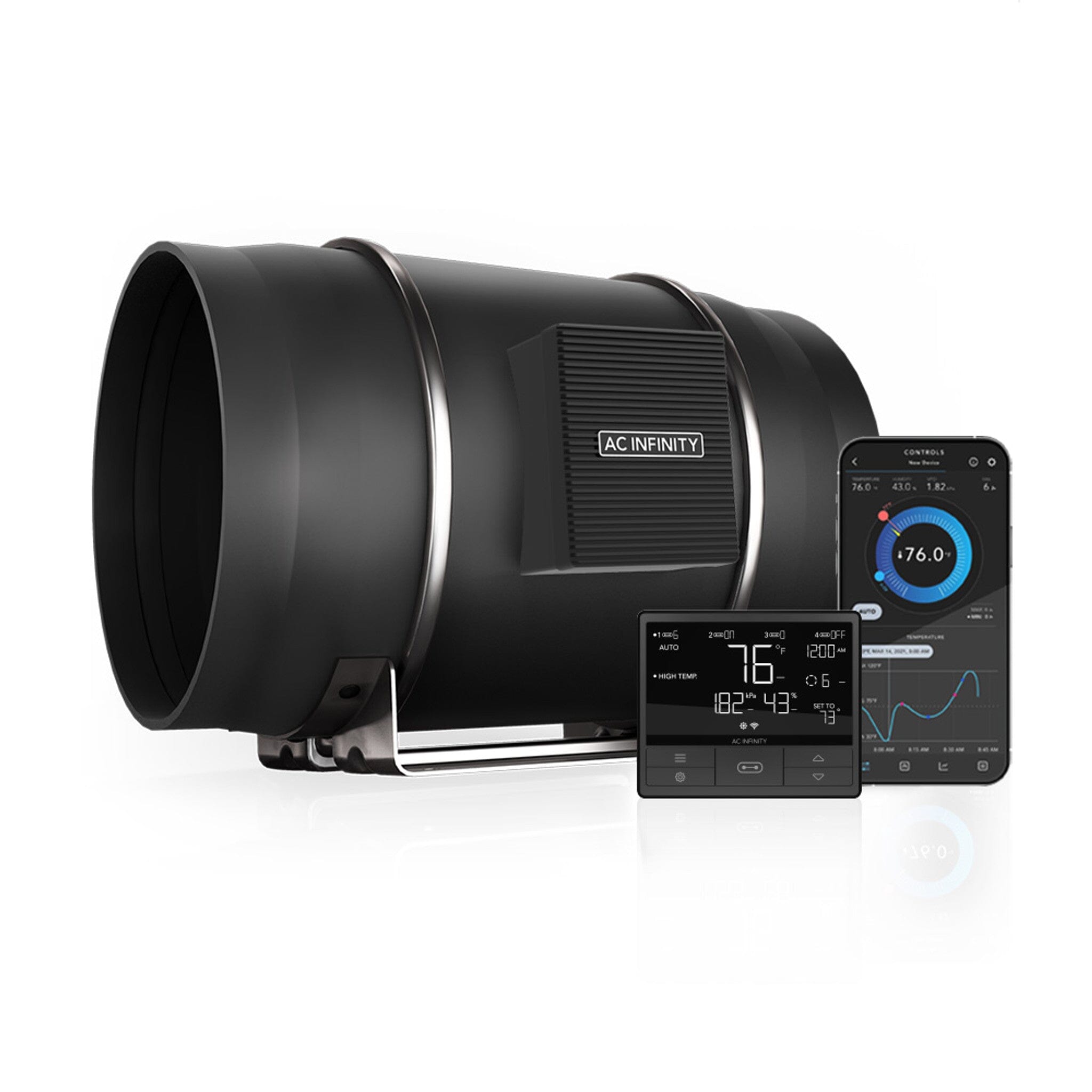
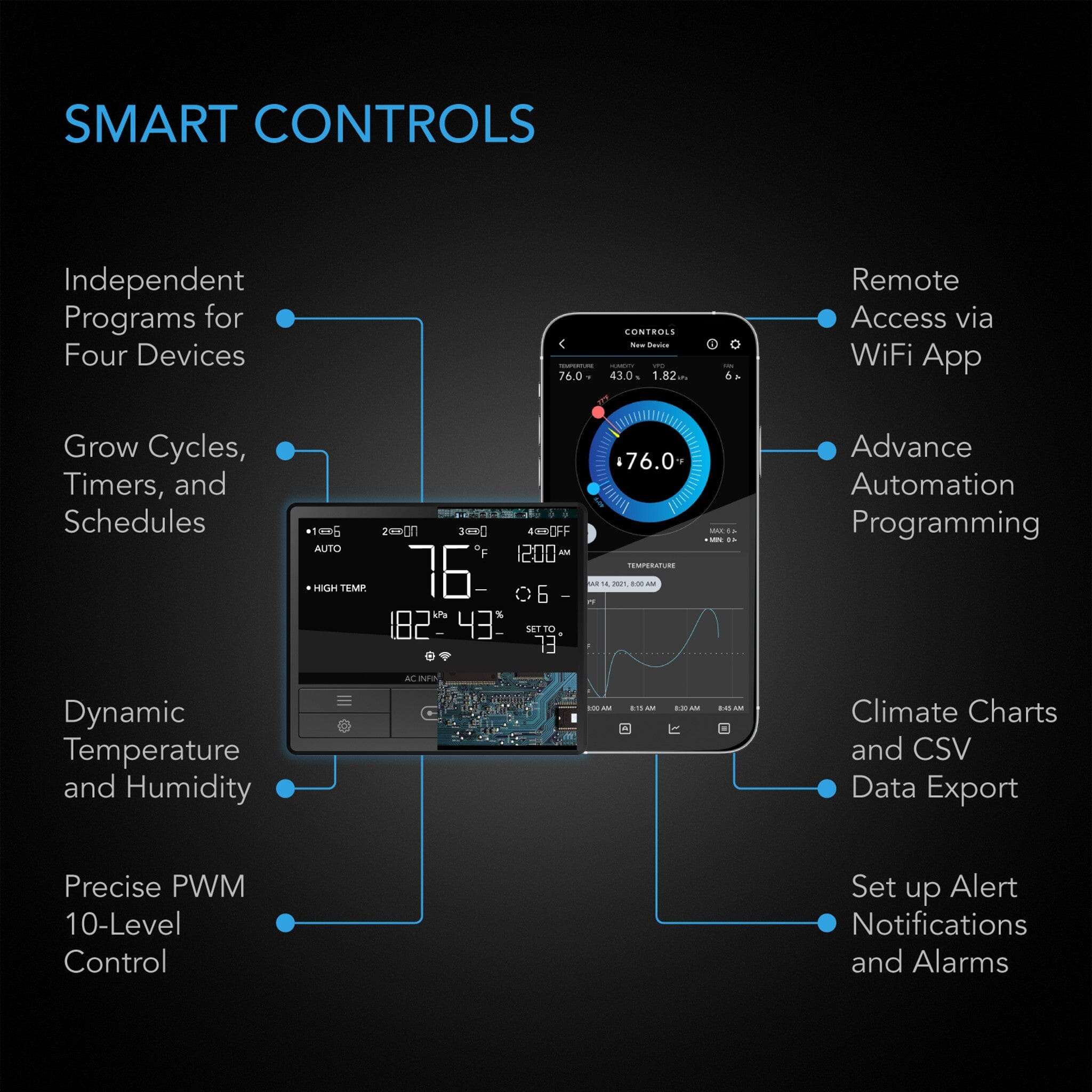
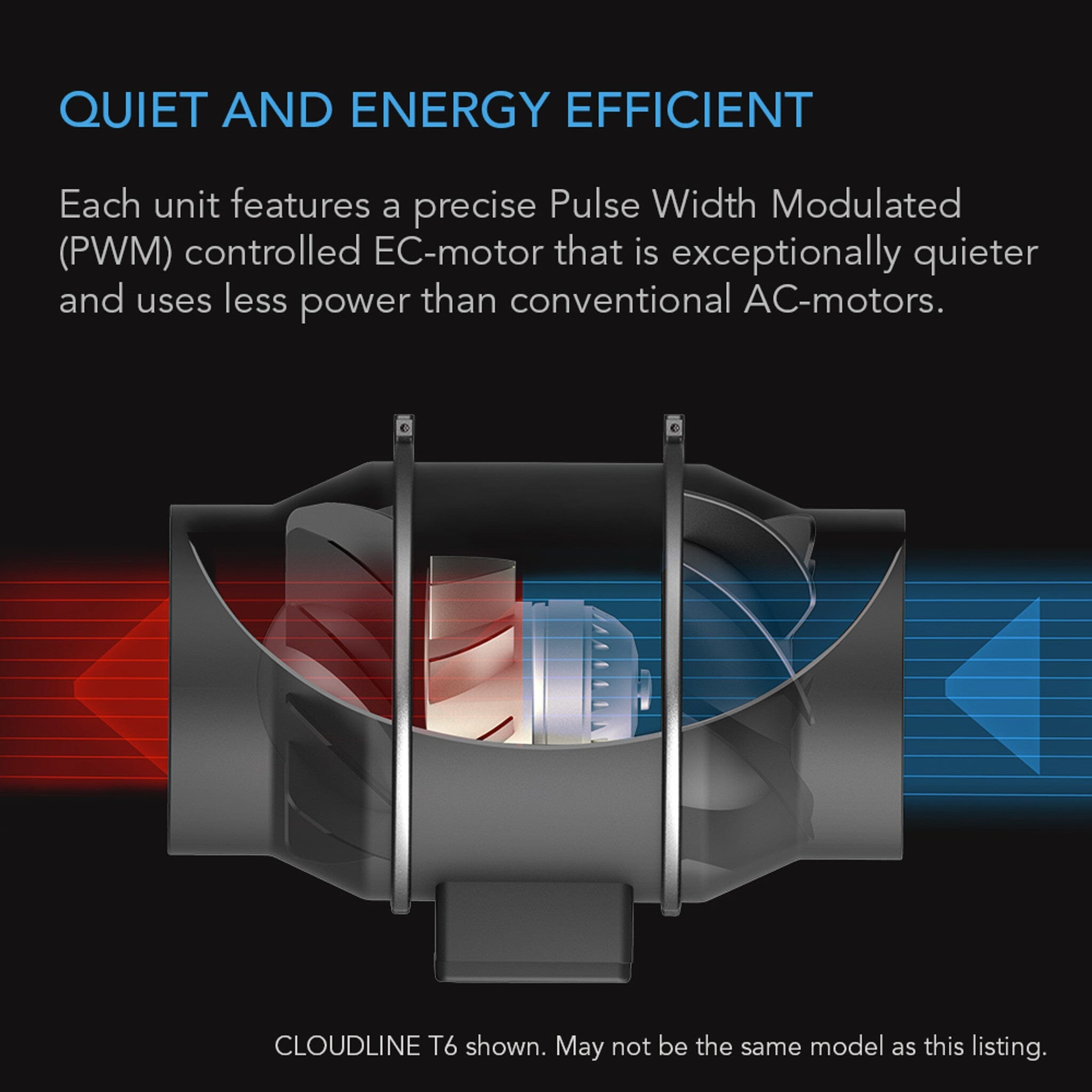
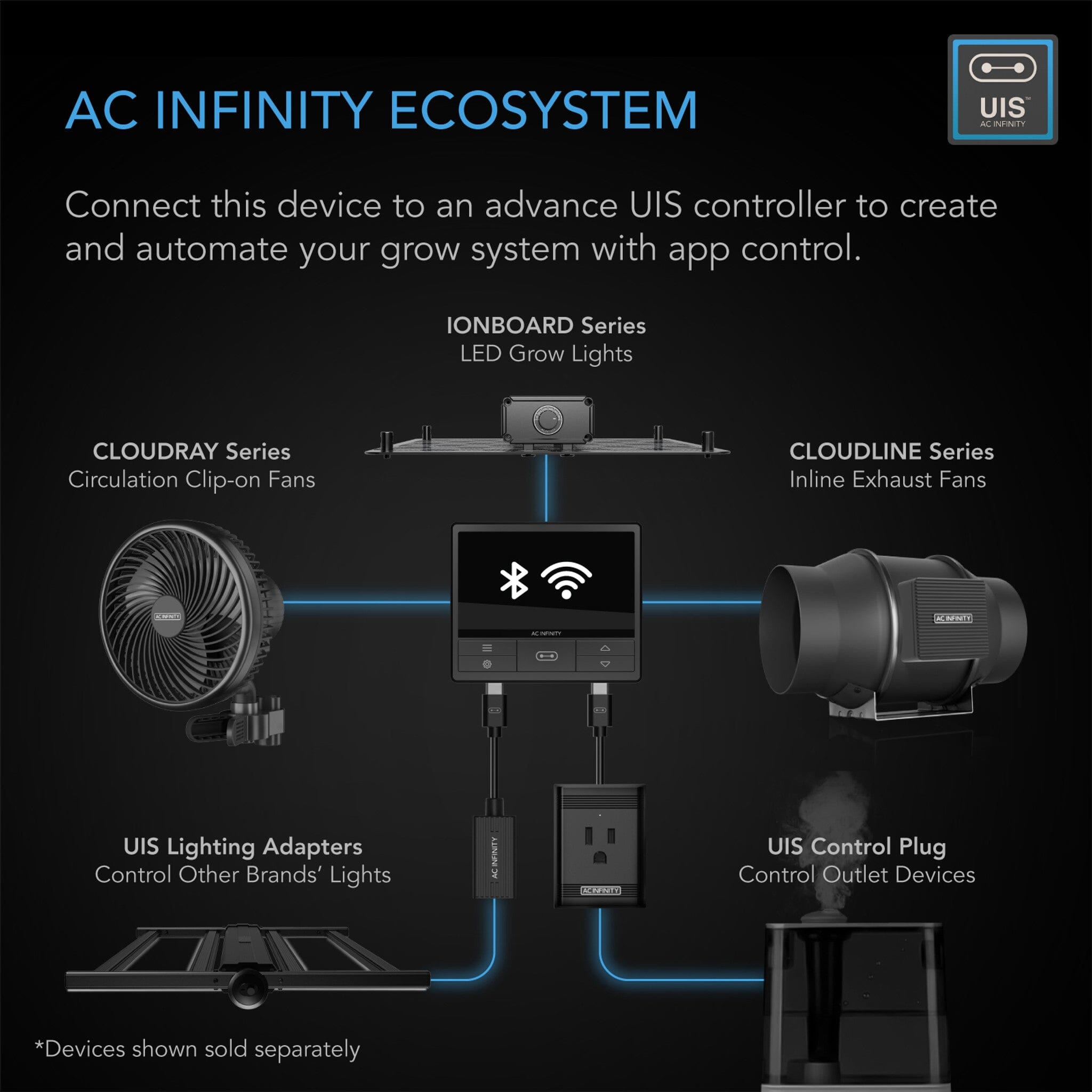
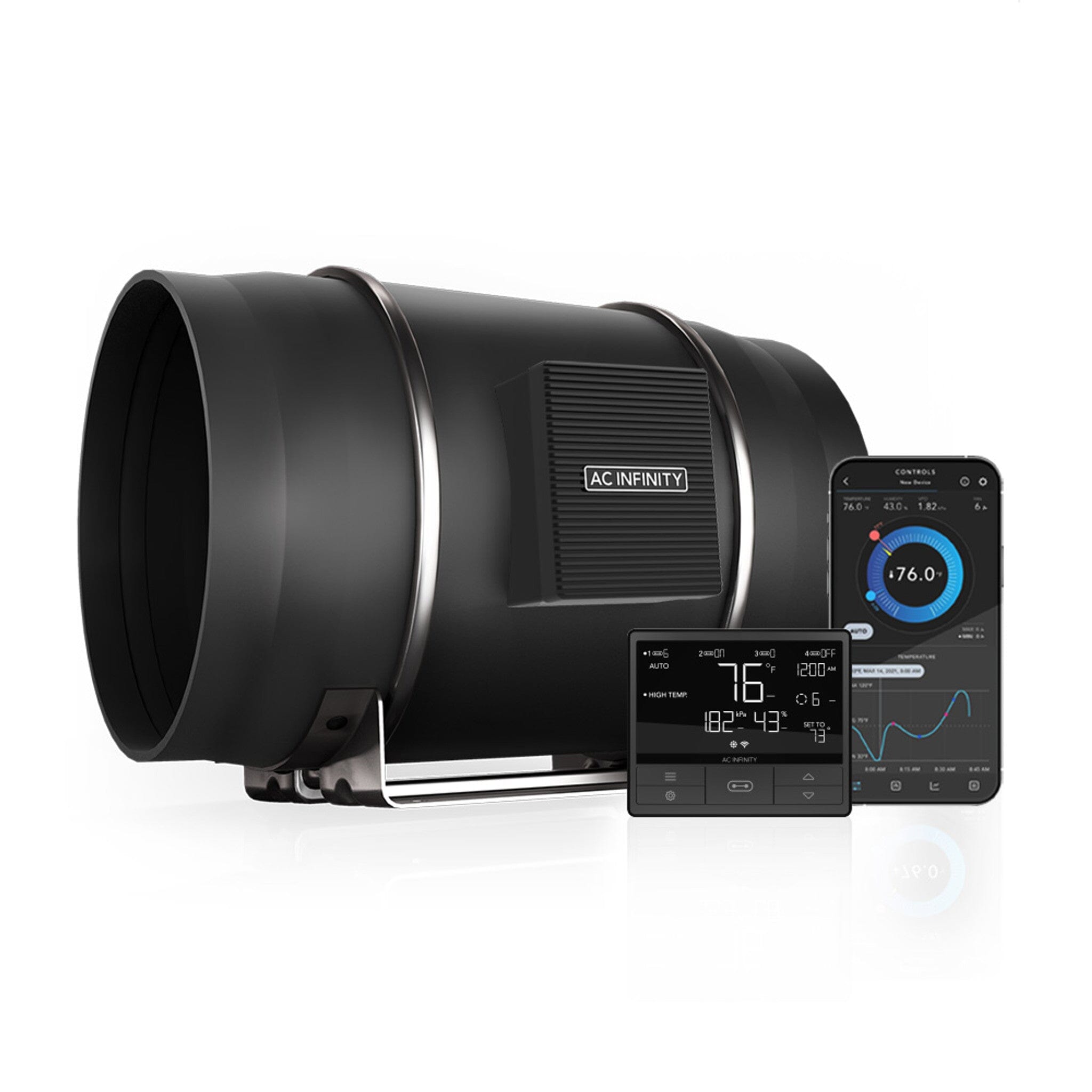
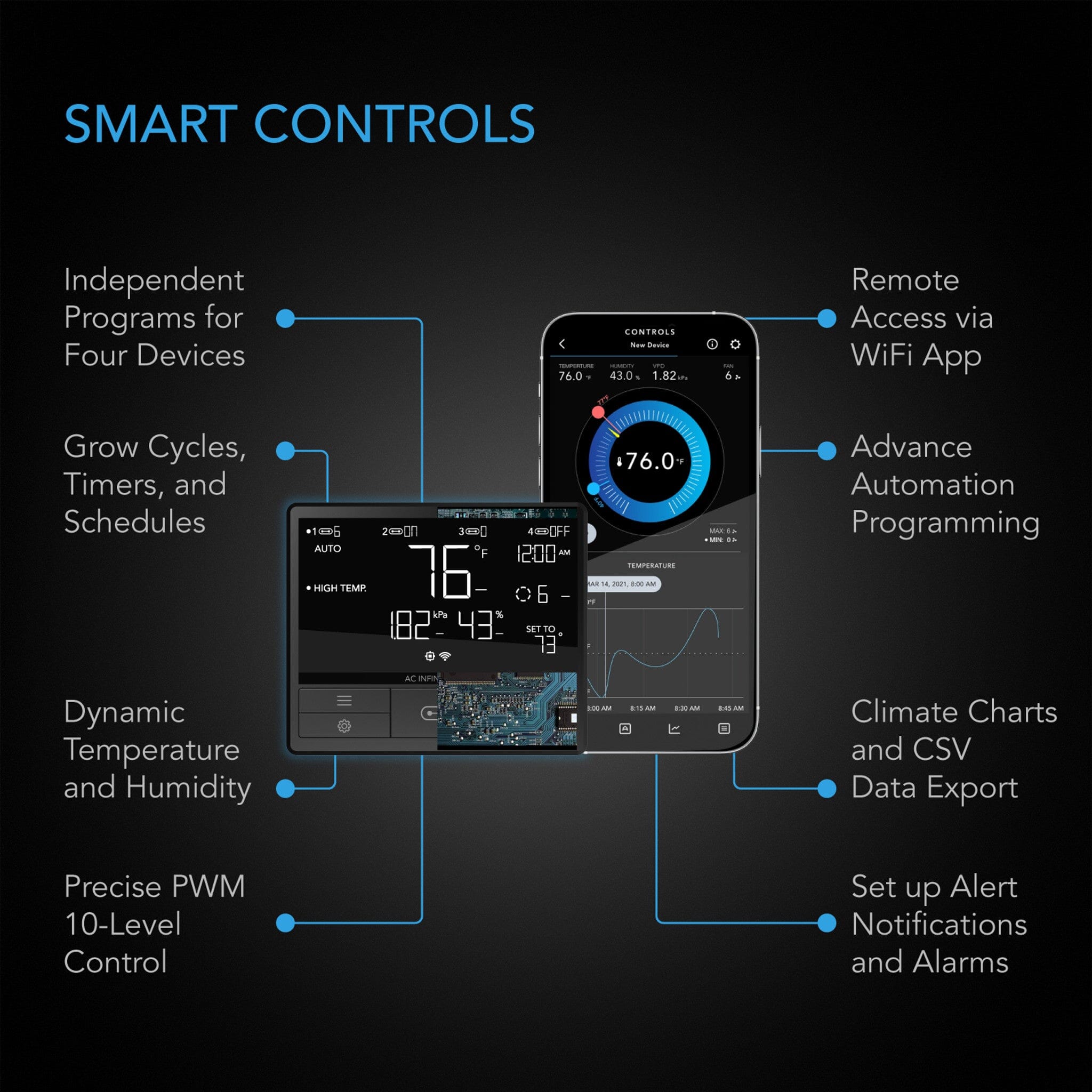
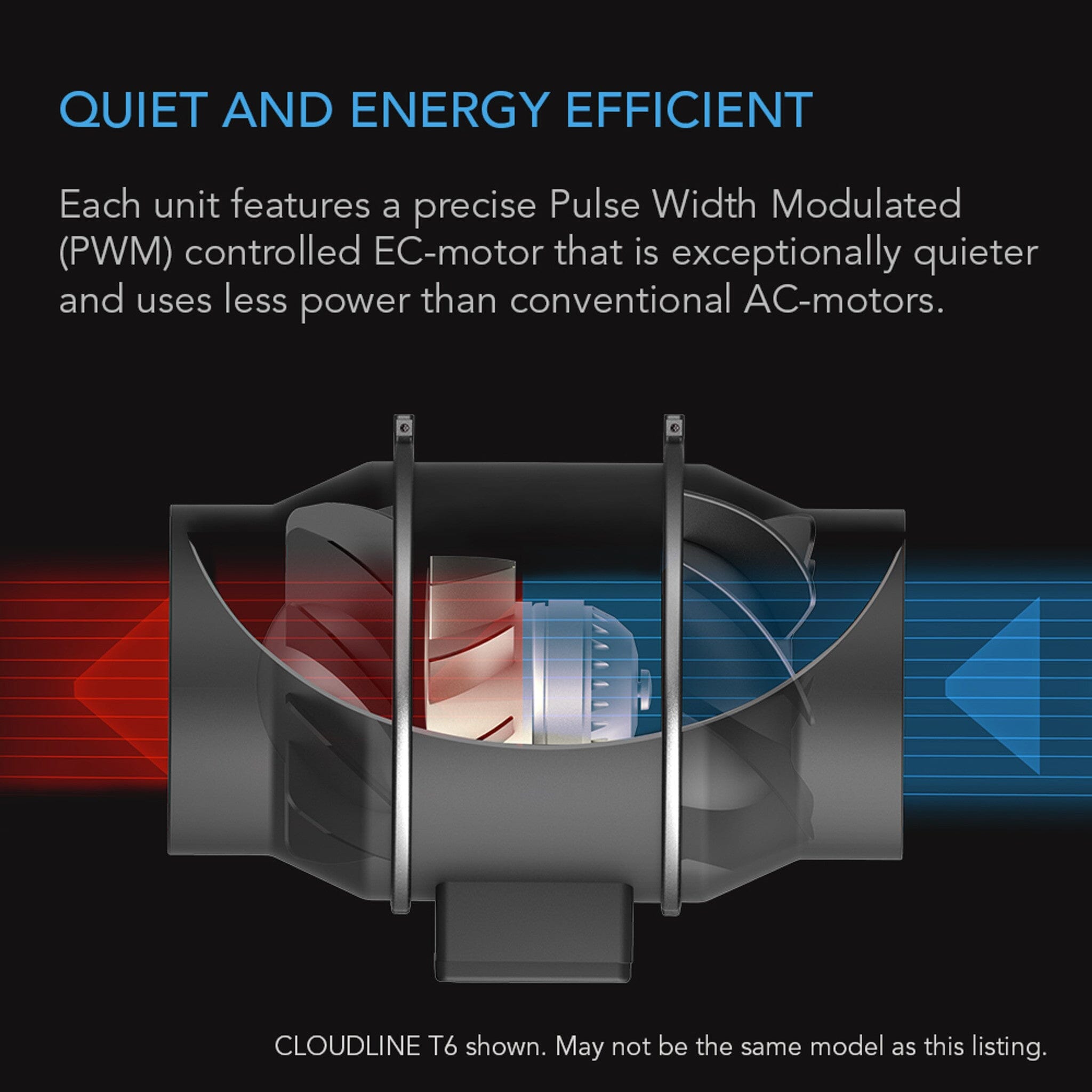
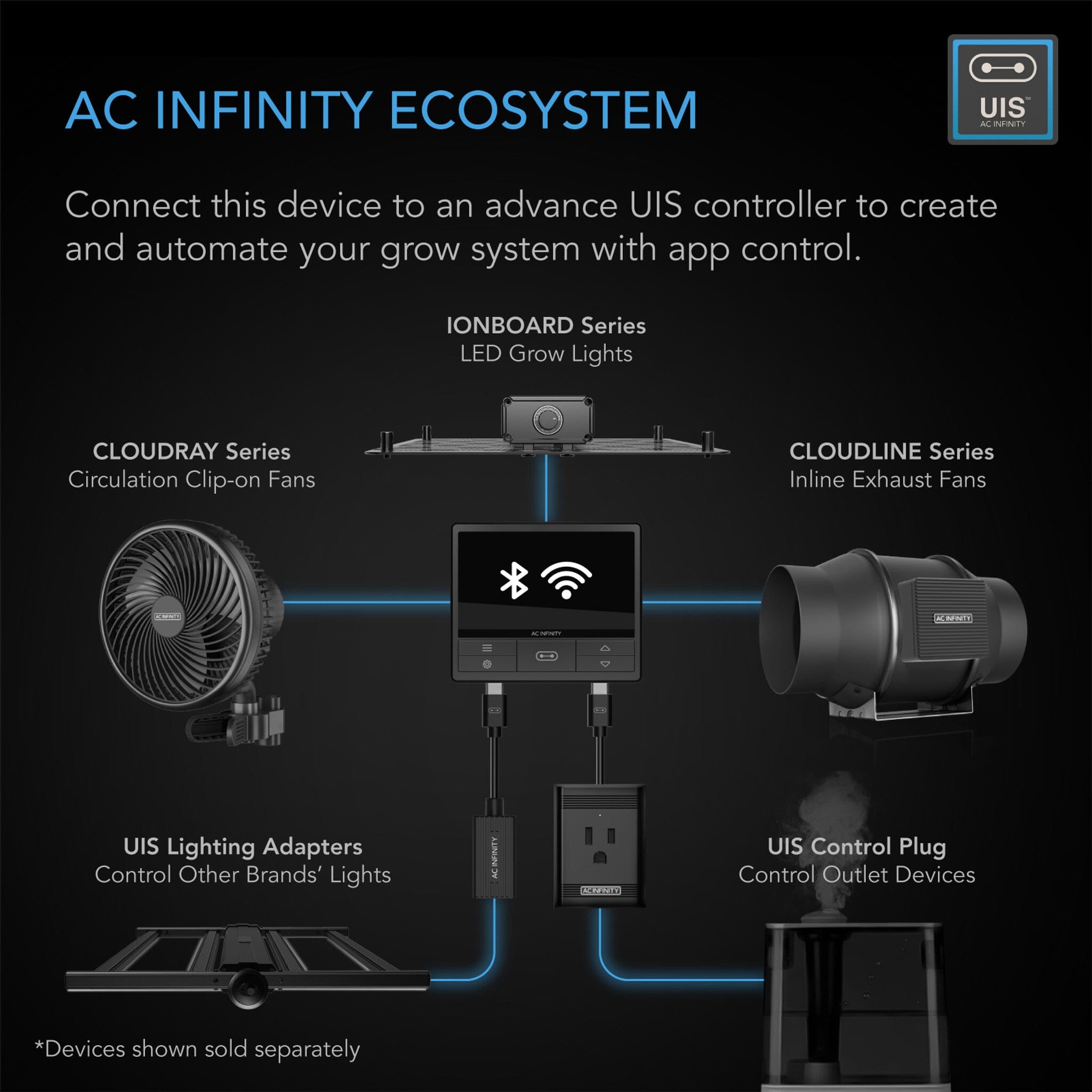
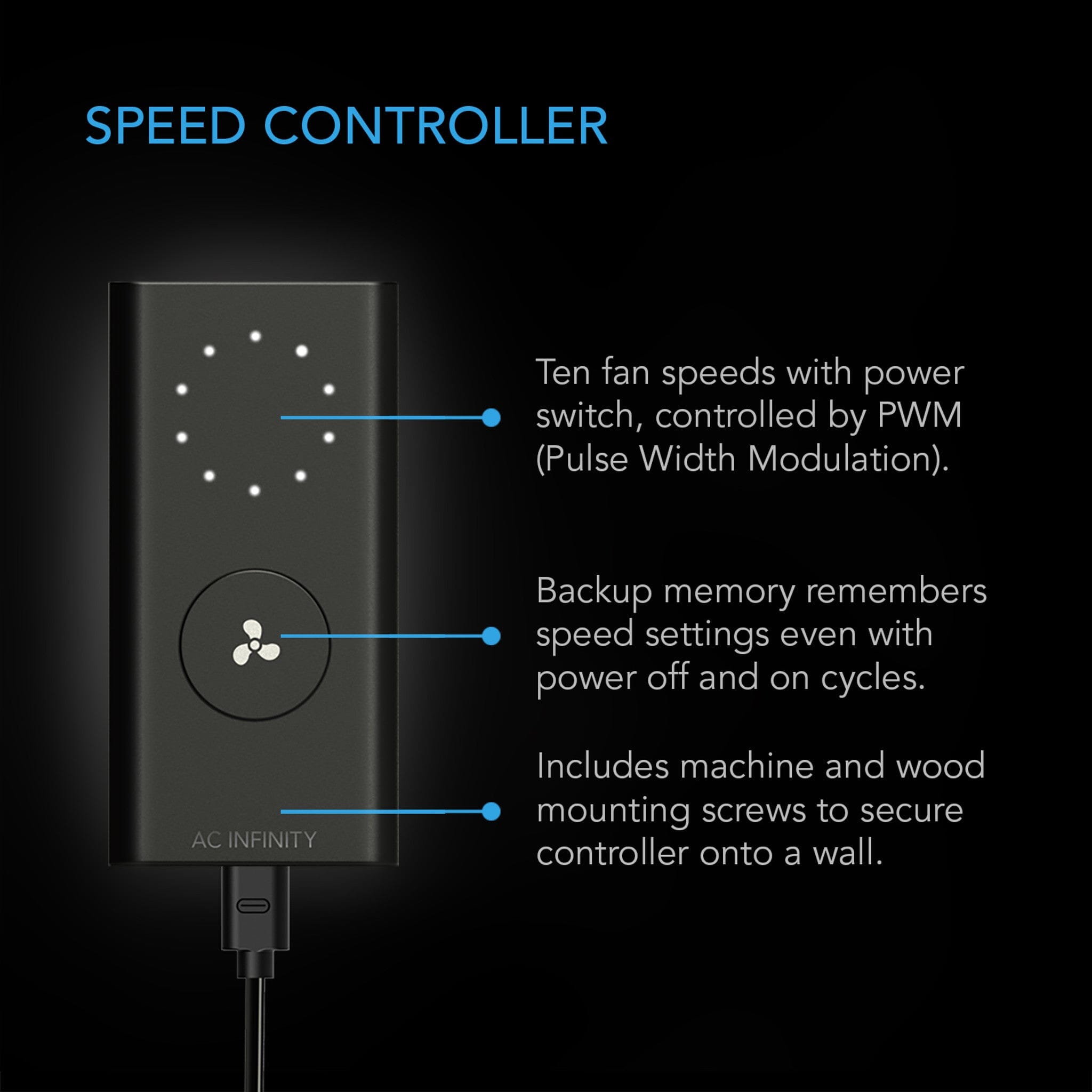
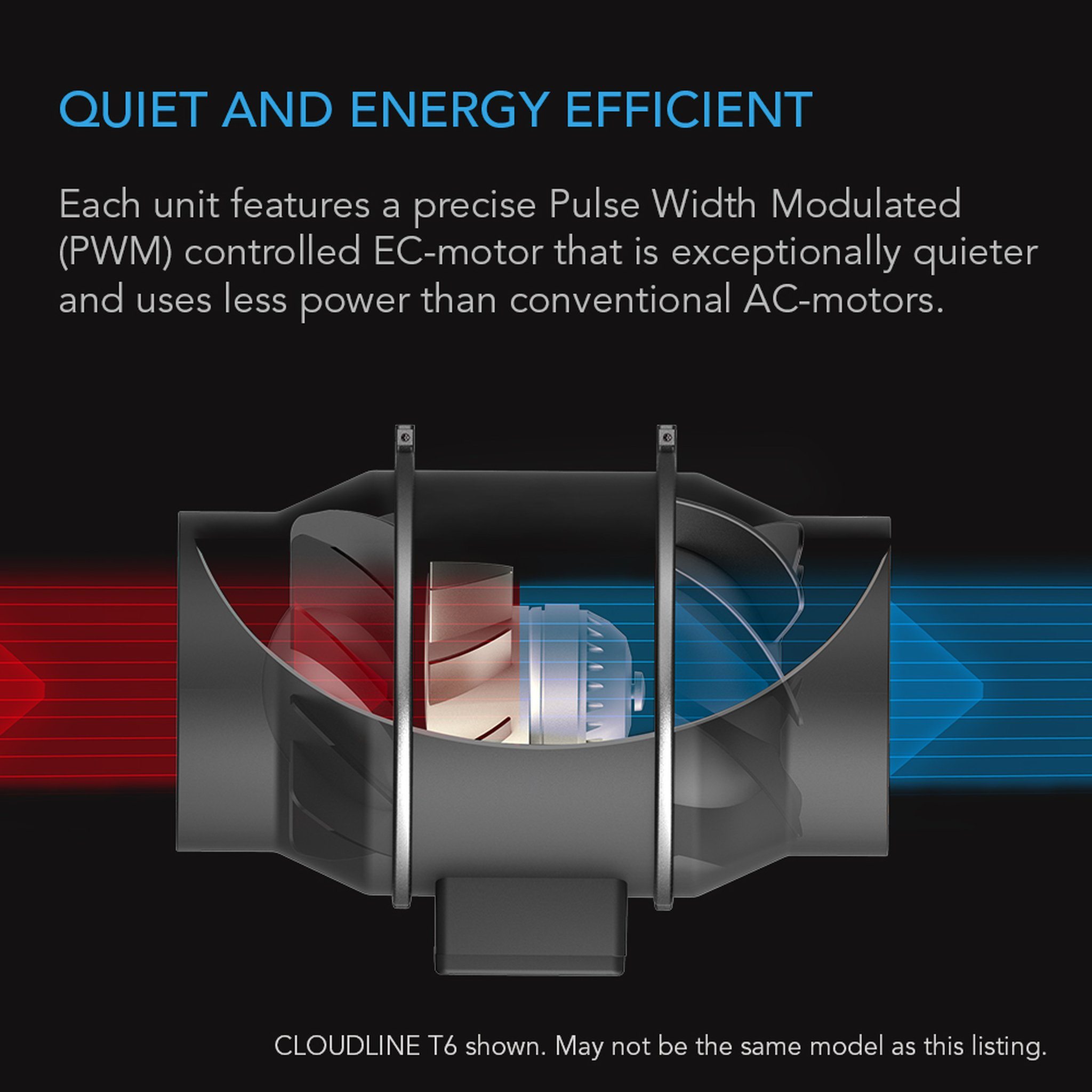
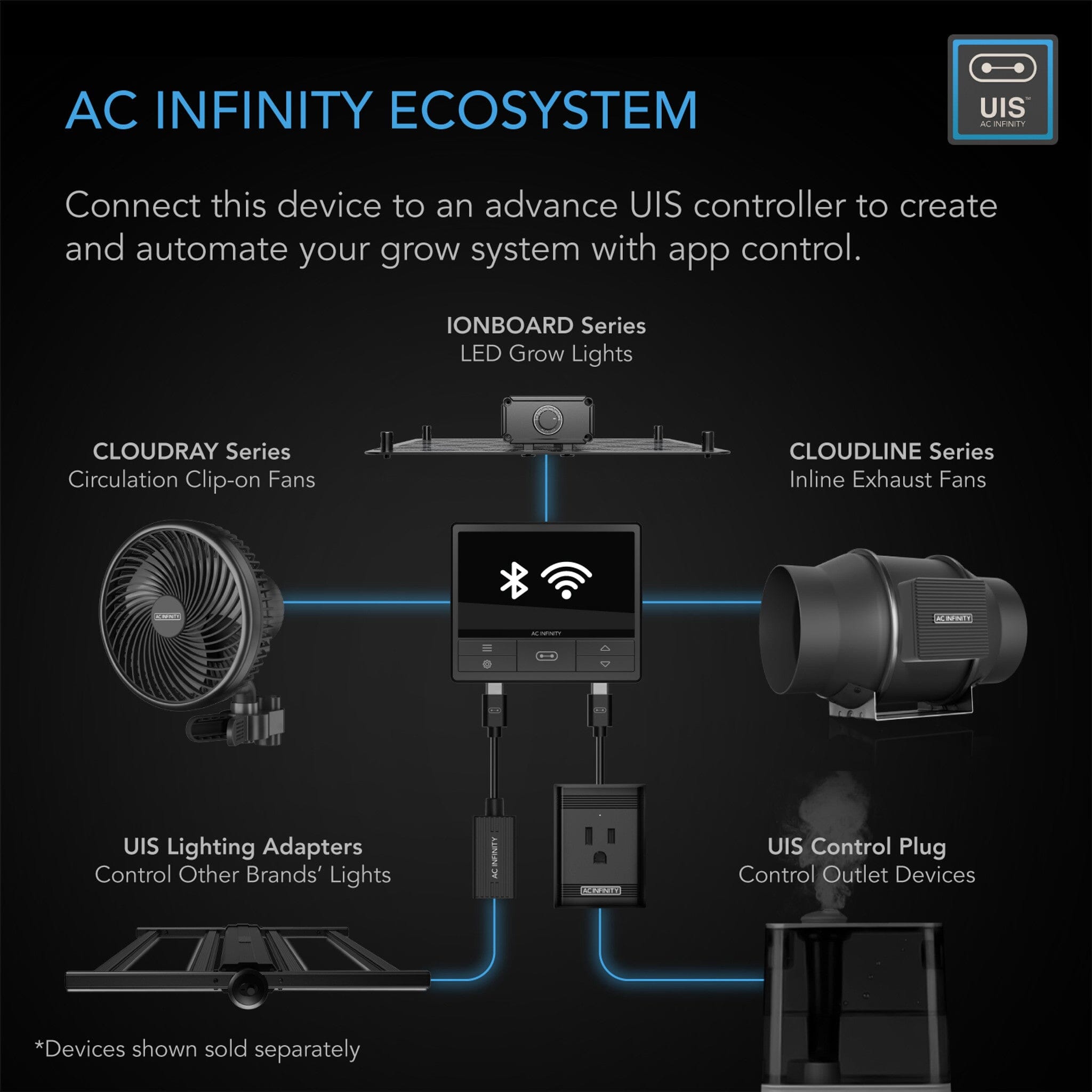
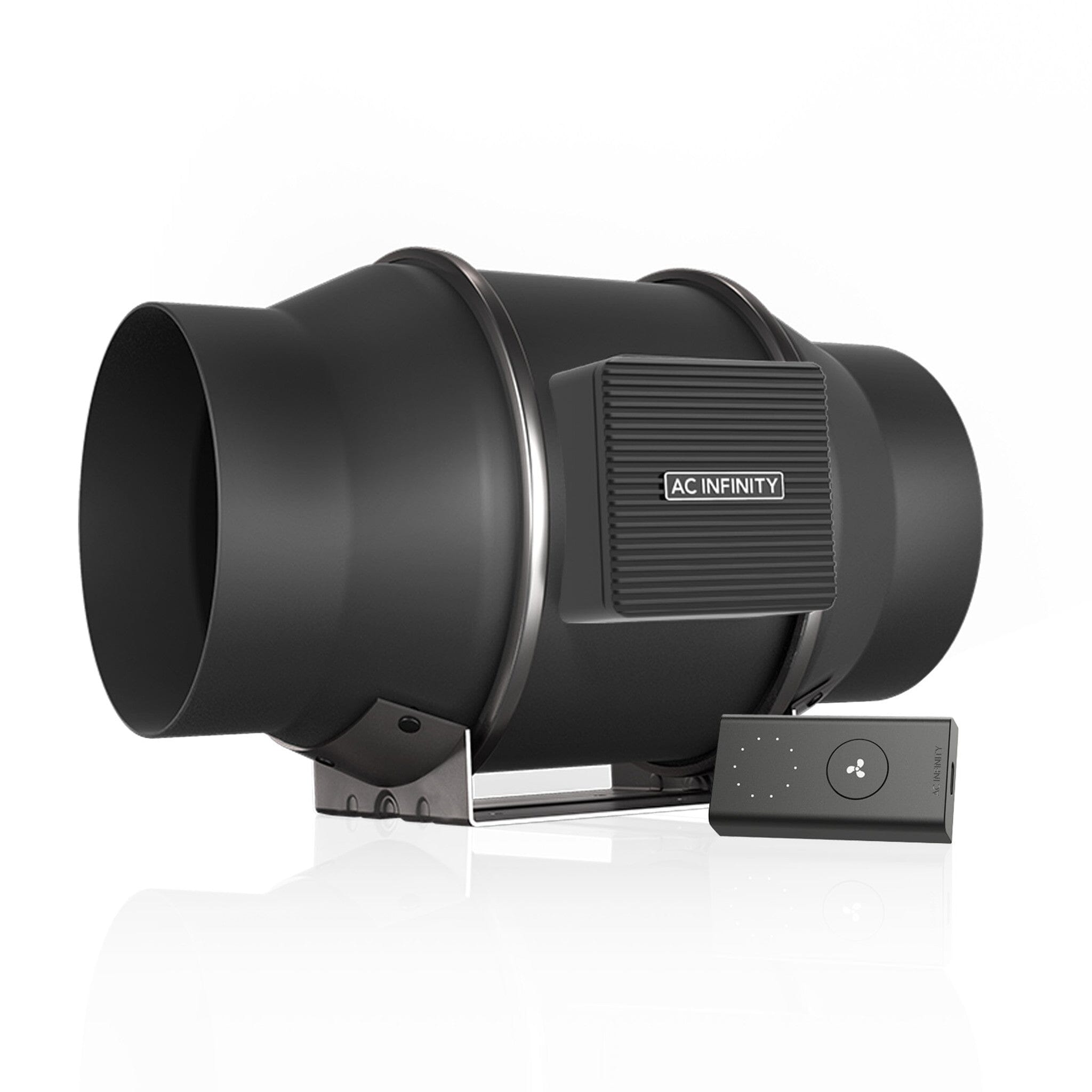
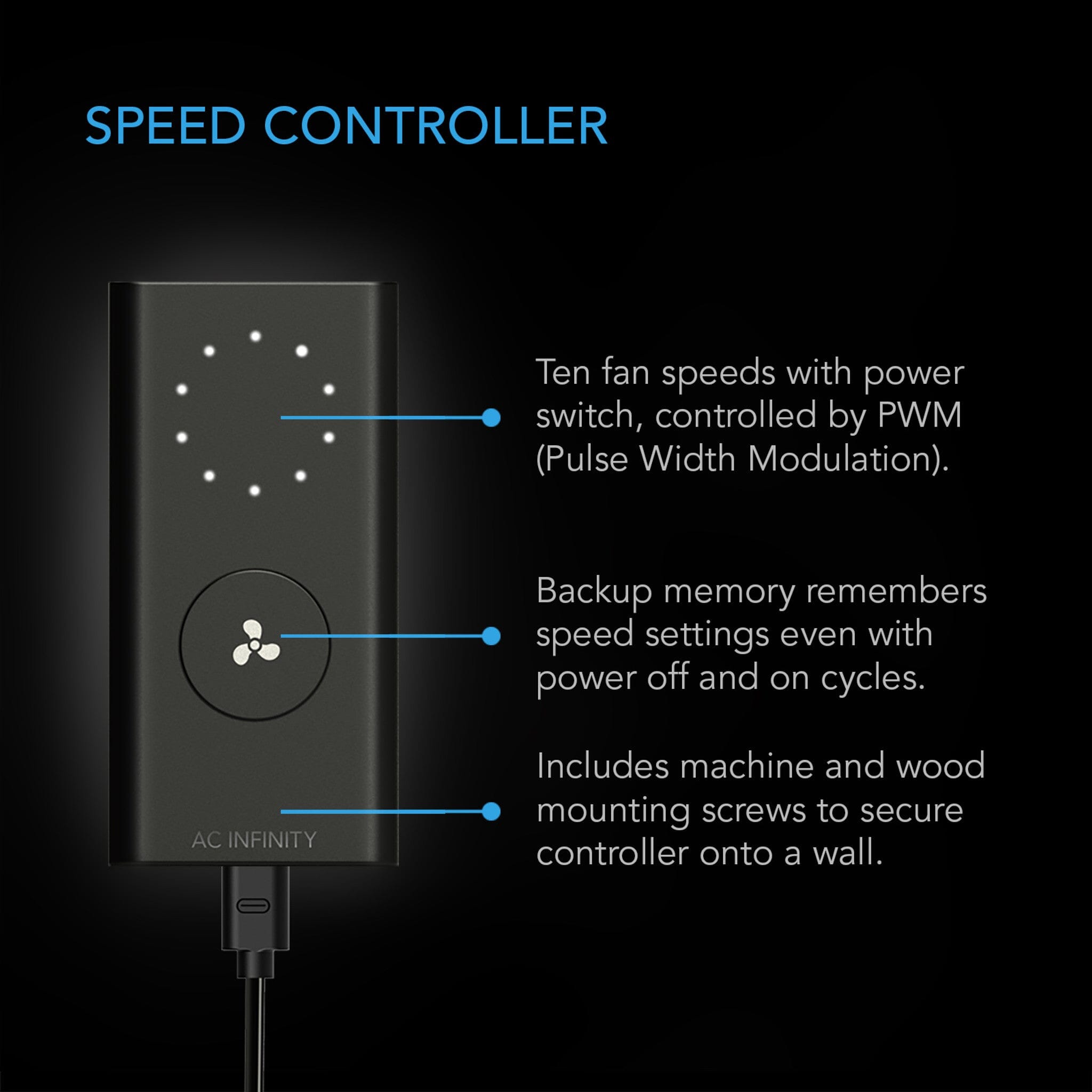
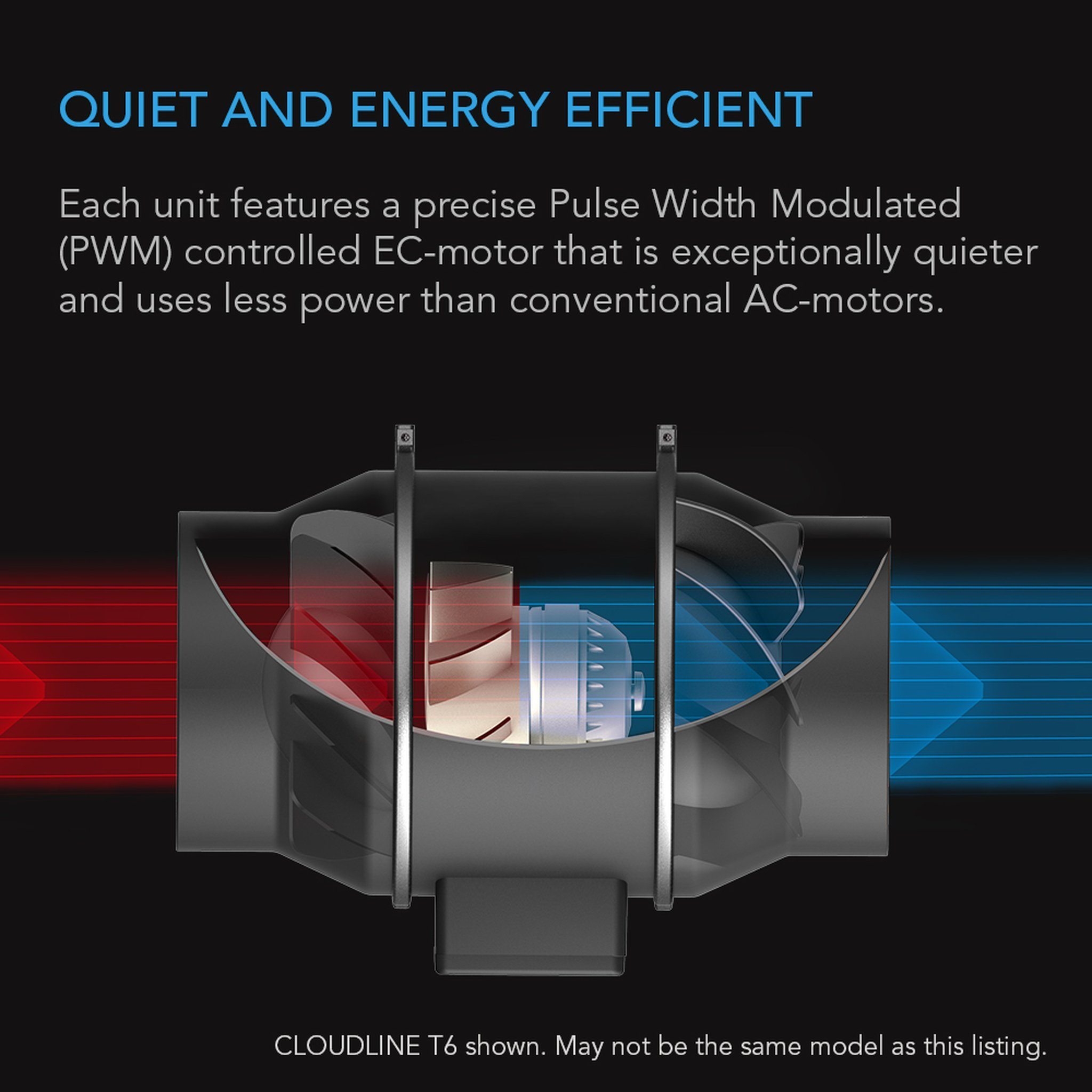
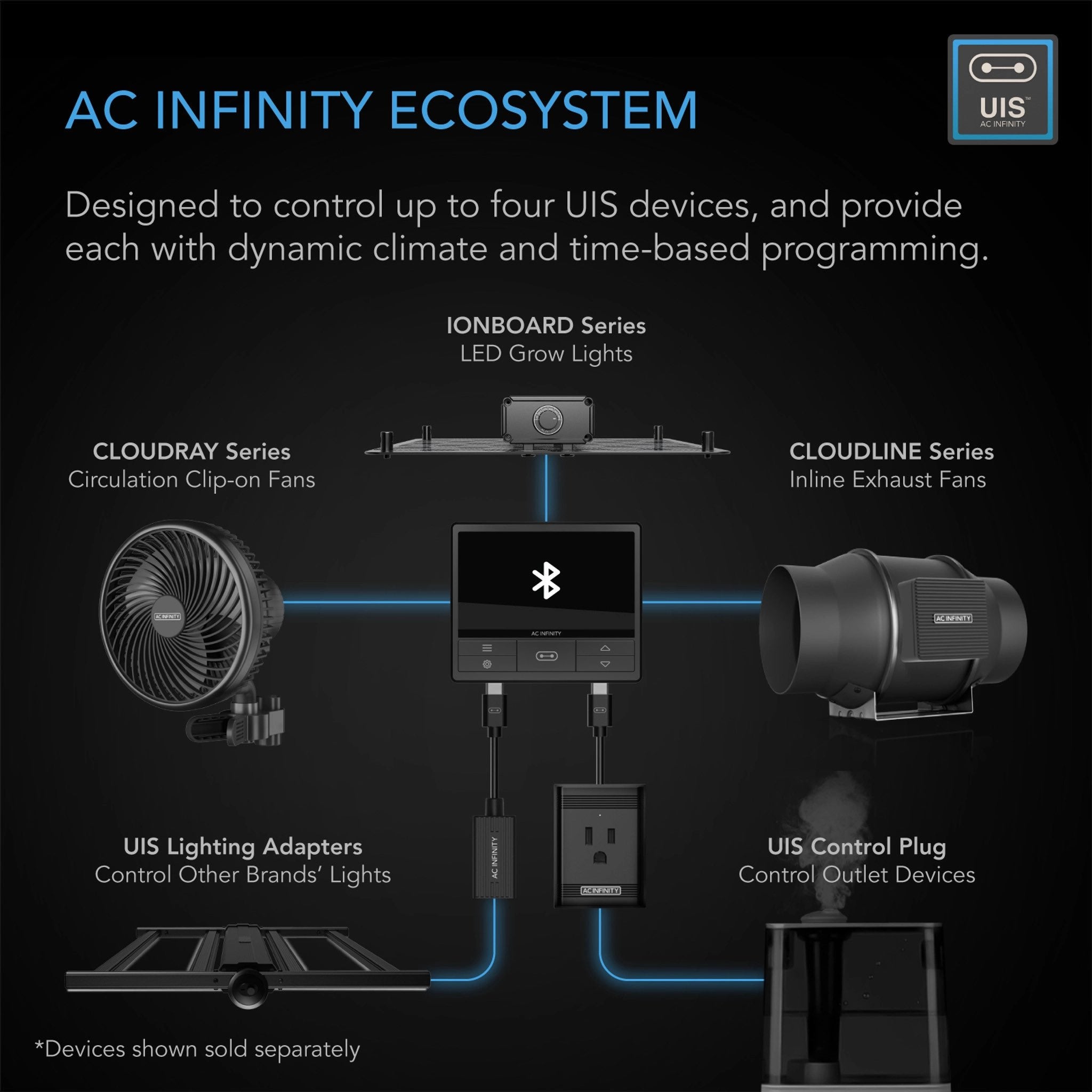
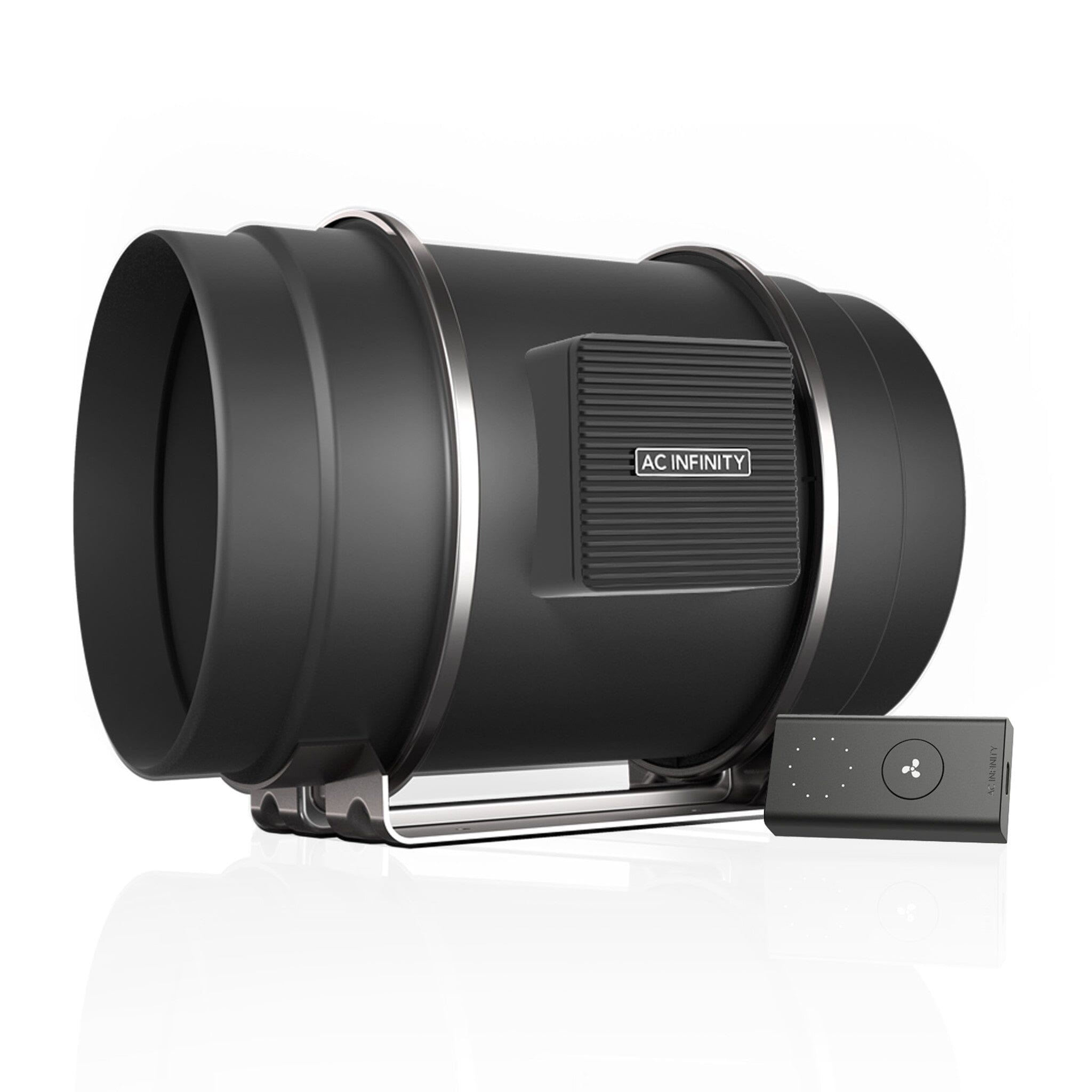
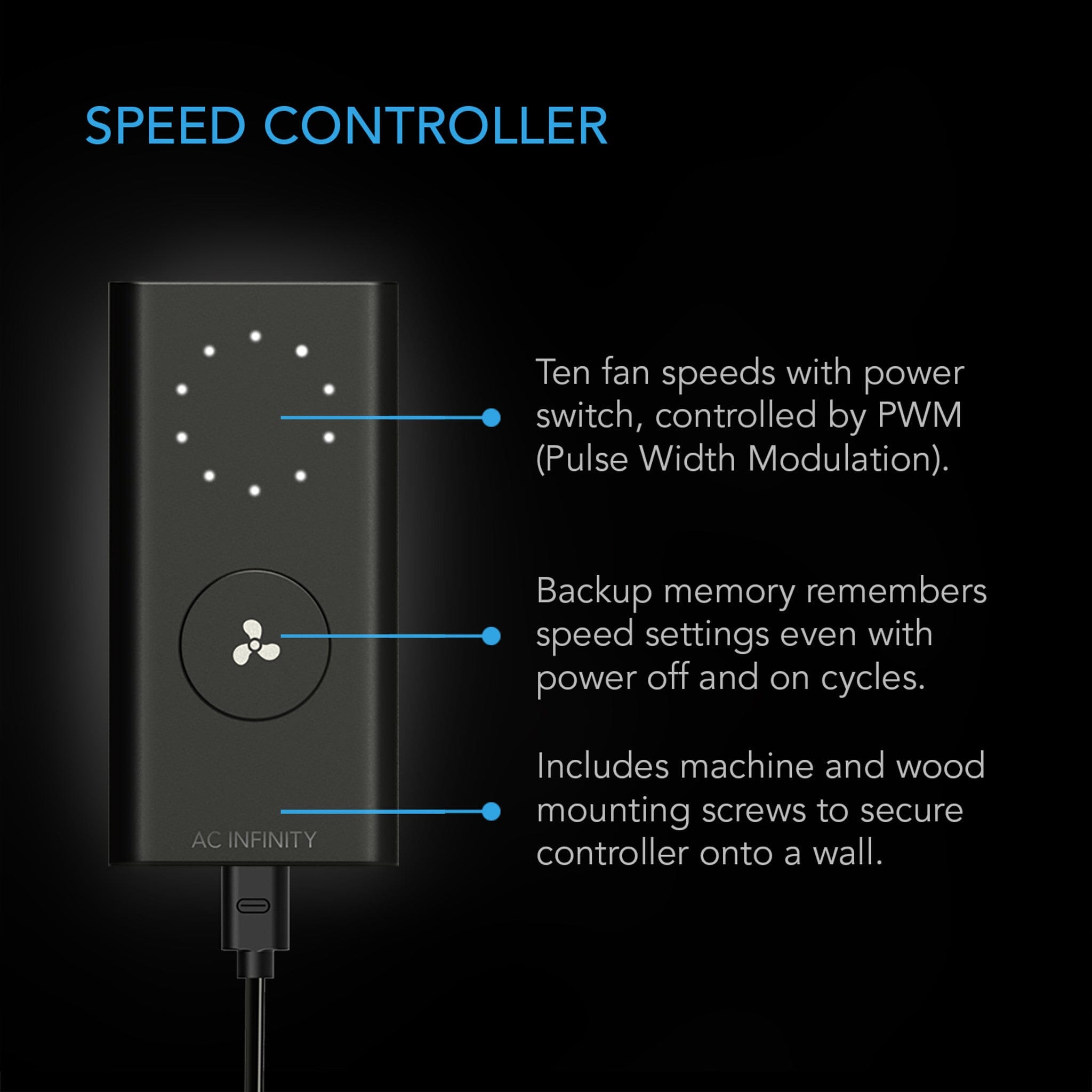
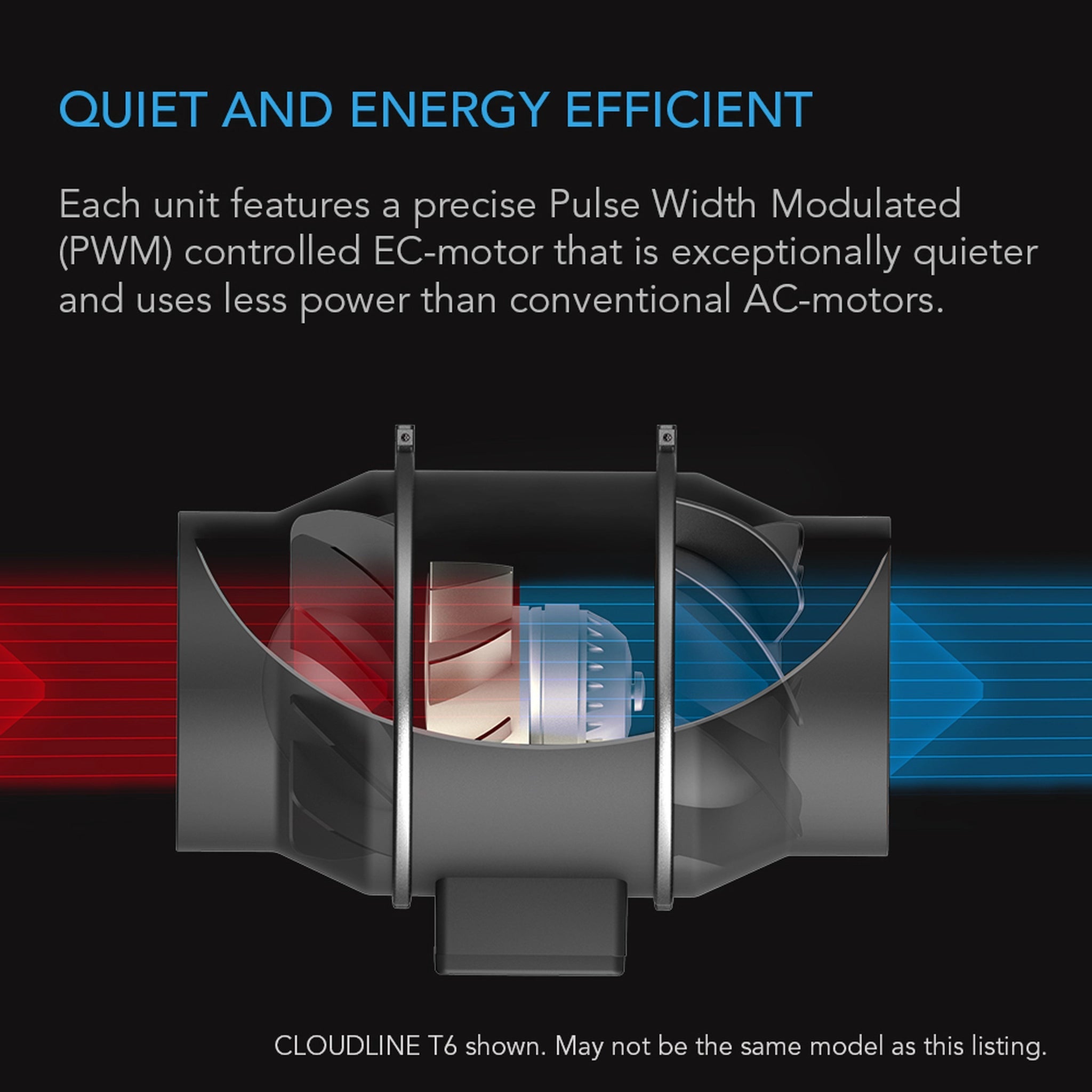
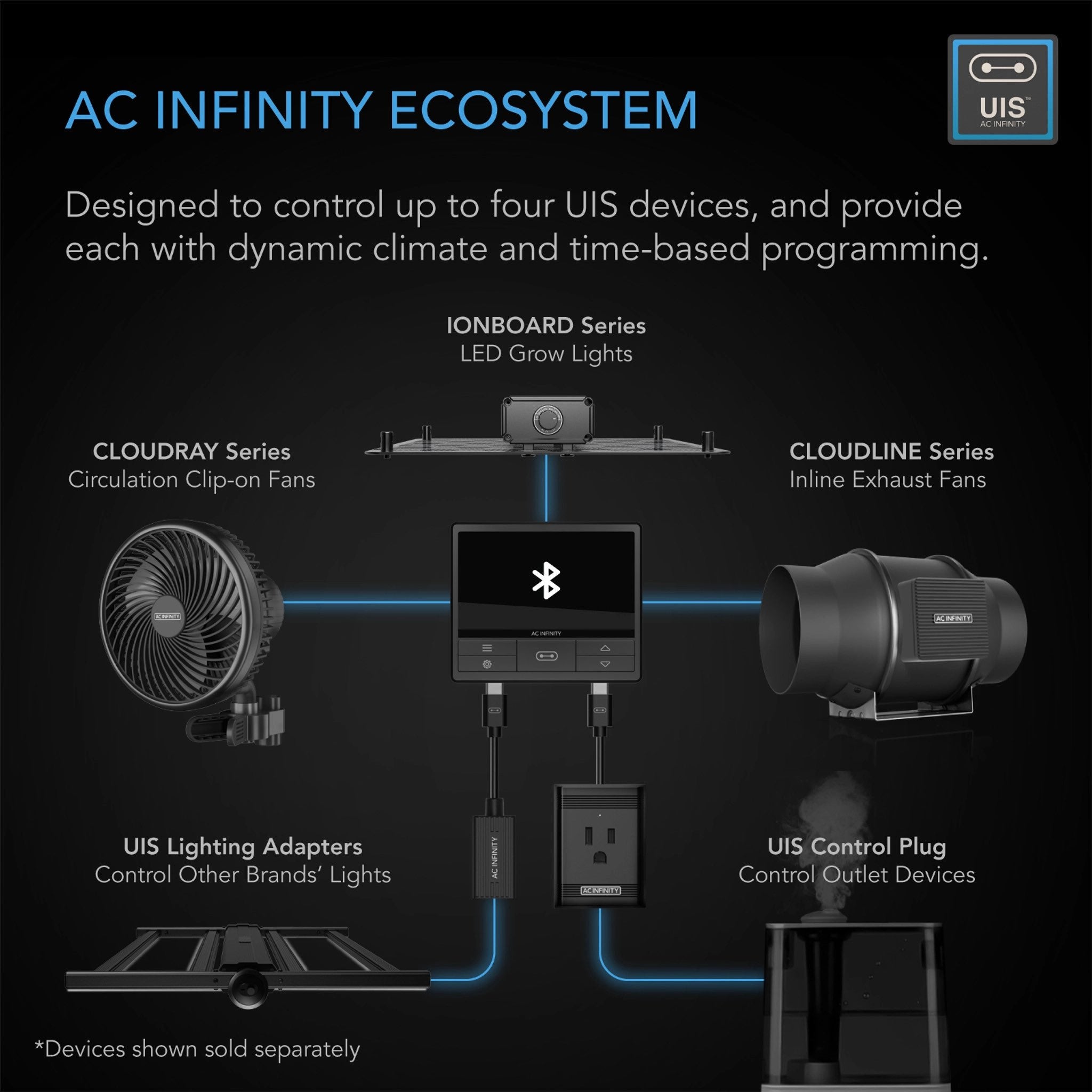
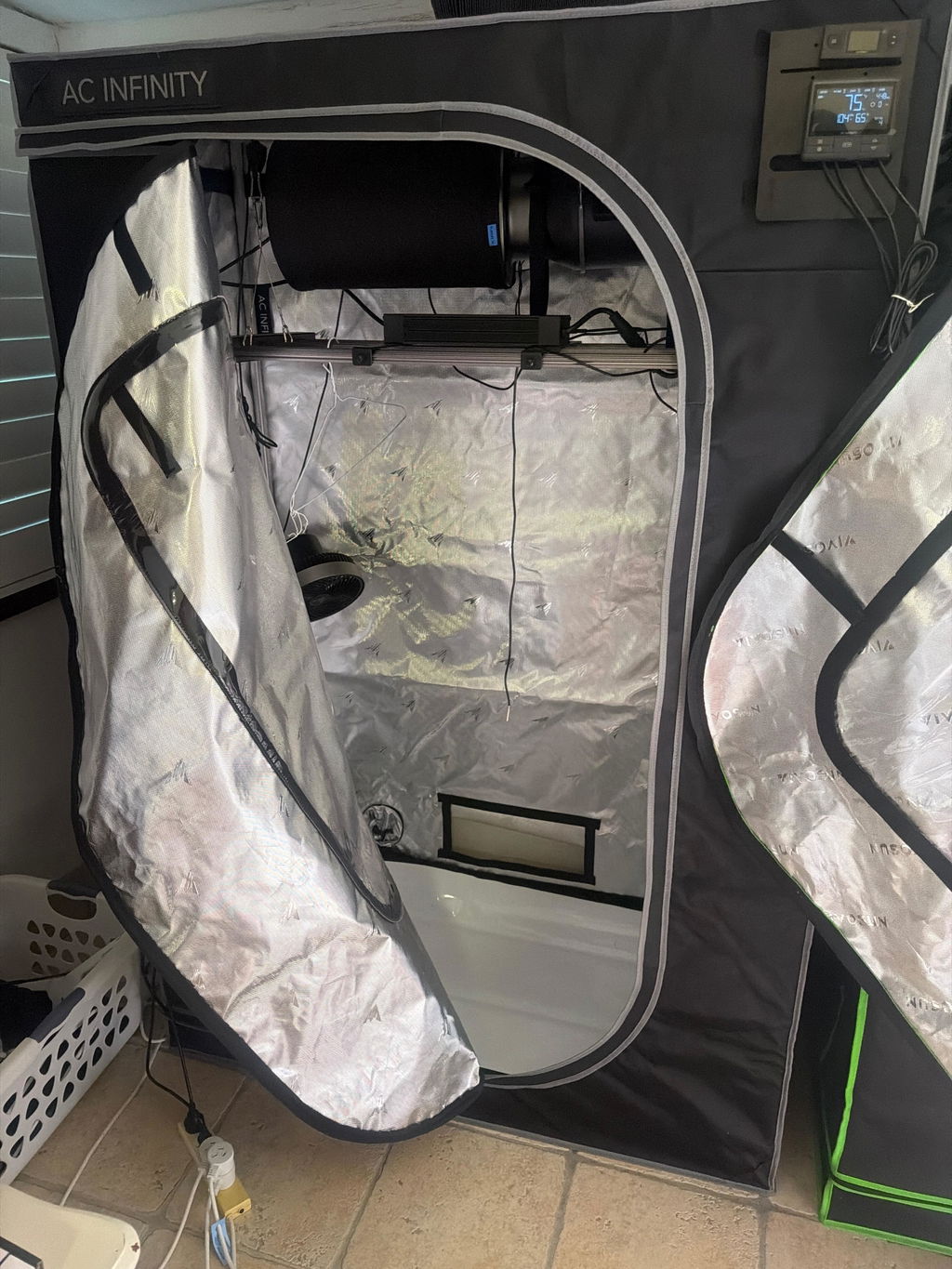
Every fan in this range runs on an EC motor rather than a standard AC motor — quieter at the same airflow, and far more efficient to run continuously, which matters when a subfloor or garage fan is meant to stay on for hours or days at a time. Beyond the motor, it's the control that sets these apart: pair a fan with a smart controller and it stops being something you switch on and forget — it reads temperature and humidity in real time and adjusts fan speed automatically — via the AC Infinity app over WiFi and Bluetooth, or the VIND app over Bluetooth — so the space stays in the range you set without you touching it again. Manual-control versions are available too, for a straightforward, no-app setup. Every unit here is stocked locally and backed by local warranty support through Quick Bloom Lights.
Shop by Category
Frequently Asked Questions
How is an EC motor different from a normal fan motor?
An EC (electronically commutated) motor adjusts its speed continuously rather than just switching on and off, so it can run at exactly the airflow you need — quieter and more efficient than a standard AC motor running flat-out or not at all.
Do I need a smart controller, or is manual enough?
Manual control is fine if you're happy setting a fixed speed and leaving it. A smart controller earns its keep in spaces where conditions change — a subfloor after rain, a garage in summer heat — by adjusting fan speed automatically instead of you checking on it.
What's a shutter exhaust fan, and why does it matter over a normal fan?
It's an exhaust fan with a built-in shutter that opens when running and seals shut when it's off — stopping outside air, draughts and pests from coming back through the opening when the fan isn't in use.
Can a room-to-room fan replace proper ducted ventilation?
For balancing airflow between two adjoining spaces, yes. For moving air in or out of the house entirely, you'd want a subfloor kit or shutter exhaust fan instead — a room-to-room fan only moves air between the two rooms it's installed in.
Do I need a filter box with my fan?
Only if you're drawing outside air in and want to keep dust, pollen or odours out. For straightforward exhaust — pushing stale air out — most setups don't need one.
Whatever the space, there's a quieter, smarter way to keep the air moving — browse the full range below, all stocked and warrantied in Australia.